Water damage and septic-system problems call for different solutions. The benefits of a Residential Remediator kit are for septic-system restoration and maintenance, not mold cleanup or repairs to water-damaged rooms. Knowing the difference helps you choose an approach that fits the problem.
After a leak or flood, it’s natural to focus on visible damage and the air inside your home. But a septic-system concern has a different source and needs a different response. Treating the wrong issue can leave the underlying problem unresolved, even after visible damage is addressed.
This guide explains what a Residential Remediator kit is designed to do and how it differs from water-damage restoration. It also covers health and indoor-air-quality considerations, property repair decisions, and cleanup safety. By the end, you’ll be better equipped to identify the problem and choose an appropriate next step, without confusing septic-system care with home restoration.
Key Takeaways
- Separate water-damage and mold concerns from septic-system problems; the right response depends on what is causing the issue.
- Learn how ongoing moisture can contribute to mold growth and why addressing the moisture source matters for indoor air quality.
- Recognize warning signs such as musty odors, visible discoloration, and damp materials that may call for further assessment.
- Understand why protective measures matter during cleanup and how disturbing contaminated materials can affect indoor air.
- See where a Residential Remediator® Kit fits: septic-system restoration and maintenance, not mold cleanup or water-damaged home repairs.
Potential health and indoor-air-quality benefits
Mold after water damage can affect building materials and indoor air. If left untreated, growth may damage wooden beams and drywall. It can also aggravate allergies, trigger asthma, and contribute to respiratory problems. Children, older adults, and people with weakened immune systems may face greater concern from exposure. Mold remediation aims to clean and remove mold, but growth can return if moisture persists.
Health effects can range from irritation to breathing difficulty. Symptoms associated with mold exposure include nasal or sinus congestion, runny nose, sneezing, wheezing, cough, throat irritation, chest tightness, and difficulty breathing. These symptoms can have other causes, so a visible patch or musty odor doesn’t identify the precise health risk. For example, ceiling discoloration can signal moisture, but color alone doesn’t establish the type of mold.
Mold types vary, and appearance isn’t a reliable way to identify a species. Black, green, or white patches do not indicate the health impact. Treat visible growth and its moisture source seriously, especially if someone in the home has asthma or a weakened immune system. A professional mold assessment can help locate affected areas, including growth concealed behind walls or under flooring, before cleanup begins.
Professional mold remediation may use containment, HEPA filtration, HEPA vacuums, air scrubbers, and antimicrobial treatments to limit the spread of spores during cleanup. Non-toxic or biodegradable cleaning agents may remove mold while reducing chemical exposure and residue. After water damage, identify and address the moisture source, remove or clean affected materials, and use HEPA filtration to capture airborne particles. Leaks, poor ventilation, and excess humidity can allow mold to return.
A Residential Remediator kit is intended for septic-system restoration and maintenance, not mold remediation. Its function is separate from removing mold, drying water-damaged drywall, or improving air quality inside a room. Compared with mold-cleanup methods, it addresses a different system and problem. The kit’s cost can’t be determined by mold symptoms or cleanup needs; those are separate from septic-system treatment. The kit is for septic-system work, not a package of mold-removal supplies.
Customer reviews or independent test results about the kit don’t establish the health effects of household mold. Reviews describe user experience, while product testing may assess system performance. For mold-related health concerns, focus on visible growth, the moisture source, affected materials, and symptoms in the home. If a musty basement odor persists after a leak, cleanup alone may not address the conditions allowing mold to return.
Improving indoor air depends on controlling moisture and limiting airborne particles. Fix leaks promptly, improve ventilation where practical, and manage humidity. Use HEPA filtration during and after remediation to capture mold spores and other particles. These steps can support cleaner indoor air, but they don’t make a septic-system kit a mold treatment. Matching the response to the source helps you choose the right actions.
Potential long-term property repair savings
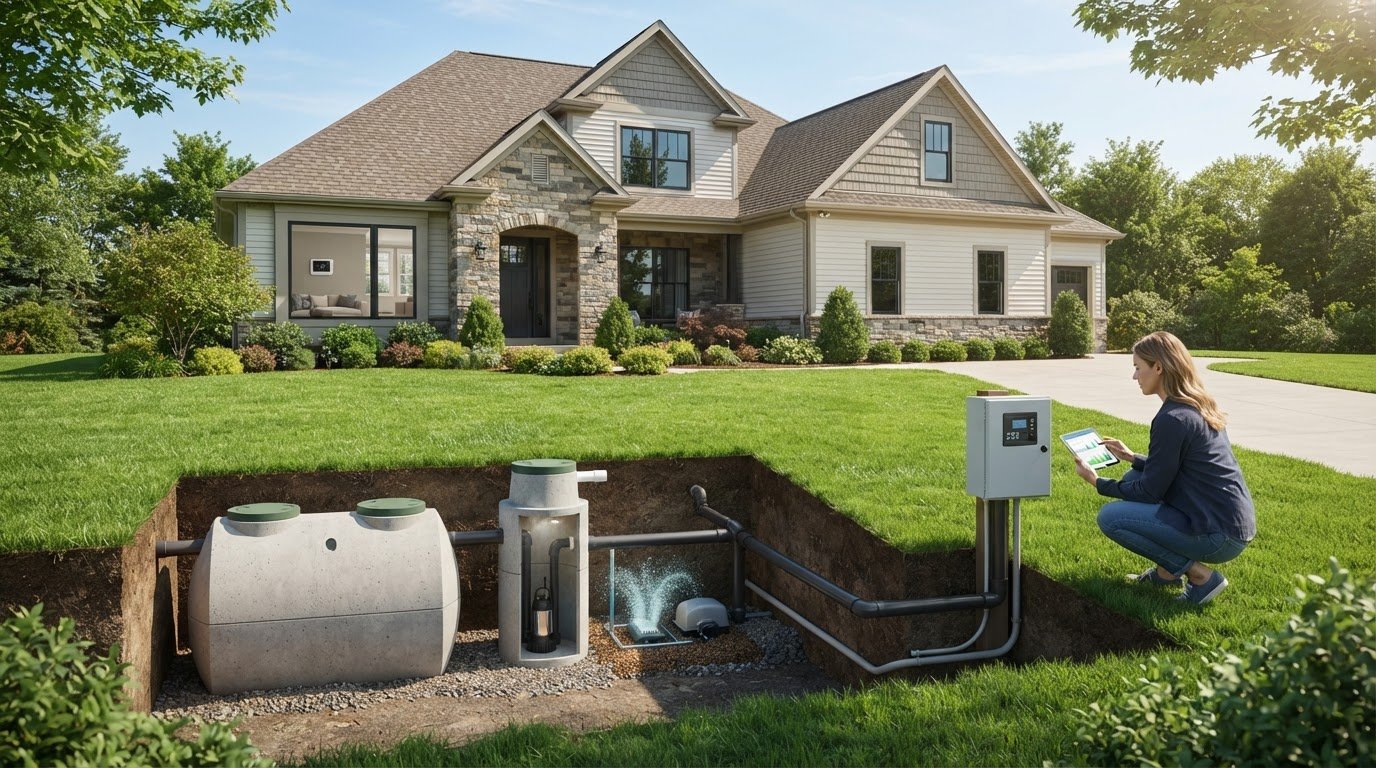
A Residential Remediator kit supports aerobic treatment in a septic system. Added oxygen supports aerobic bacteria and can help address biomat while improving effluent quality. This function relates to septic-system performance, not repairs to walls, floors, or other water-damaged property. Keeping the repair categories separate helps you assess the right work before choosing a plan.
Use the kit according to its product instructions and intended septic-system application. Its use depends on the system and the concern being addressed. It isn’t a mold-removal product or a substitute for household repairs. Septic-system treatment won’t restore damaged flooring, just as flooring repairs won’t resolve a septic-system issue.
To manage repair costs, establish the actual scope of work and avoid unnecessary replacement. An assessment can distinguish components that can be cleaned or repaired from those that need replacement. Ask for a written description of the affected materials, proposed work, and the reason for each item. This helps you compare the repair plan with the damage you can see.
Keep the repair plan tied to evidence. Take photographs before work, during removal, and after restoration to document what changed. Keep invoices, product details, and notes about completed work together. If opening a wall reveals damage beyond the visible area, document what was found and any changes to the scope. Clear records help you understand the completed repair and explain it later.
Property value depends on more than one repair. Buyers may feel more confident when they can review a clear history of the work and see that the relevant issue was addressed. For example, records documenting the scope and completion of a flooring repair provide more context than a fresh finish alone. They don’t establish a specific increase in value, but they make the repair history easier to understand.
Plan for ongoing ownership, too. Keep product instructions for septic equipment and service records for property repairs. Label which system each record concerns so septic treatment isn’t confused with building restoration. If a later inspection raises questions, dated records can help show what work was done and what still needs assessment. Organized documentation also makes maintenance planning more practical.
The key financial step is matching the remedy to the problem. For a septic concern, evaluate septic-system treatment; for a damaged building component, assess that component and the repair scope. Don’t assume one purchase will resolve unrelated problems. A clear diagnosis, written scope, and organized records help protect your budget and support informed property decisions.
Protective gear and remediation safety
Safe cleanup starts with understanding the job before handling damaged materials. A small, dry surface stain presents a different task from opening a wall after a plumbing failure. Note the affected room, materials, water source, and planned work. This quick assessment helps identify hazards and determine whether the cleanup is suitable for household handling.
Choose protective gear based on the material and task. Gloves reduce direct contact with dirty surfaces, while eye protection guards against splashes and loose debris. Clothing that covers exposed skin can limit contact when moving damaged items. Respiratory protection may be needed for dusty work, but the right type depends on the task and conditions. Gear needs to fit properly and remain intact to work as intended.
Take particular care around water and electricity. If water has reached outlets, appliances, or electrical equipment, don’t handle those items while the area is wet. For example, use caution before cleaning a damp utility room with a washer and electrical panel. Keep people away from unsafe areas until hazards have been addressed. Don’t enter standing water where electrical equipment may be affected.
Handle cleaning products carefully, whether standard household detergents or heavy-duty formulas sourced from commercial retailers such as Pro Clean Supply. Read each label, follow its directions, and don’t mix products. Combining cleaners can create harmful fumes, while using a product on the wrong surface may damage the finish. Keep products in their original containers and store them away from children and pets. If you don’t understand a product called for in a cleanup plan, pause before using it.
Plan how people and materials will move through the work area. Keep a clear route for carrying tools and bagged debris, and separate clean items from materials awaiting disposal. For example, don’t place cleaned belongings beside removed flooring. Change contaminated gloves or clothing before touching door handles, phones, or other household surfaces. These boundaries help prevent debris from spreading into unaffected rooms.
Stop work if the affected area is larger or more complex than expected. Hidden damage, sewage contamination, or extensive debris may require specialized remediation. A small leak under a sink can reveal damage inside a cabinet or wall, changing how materials must be handled and disposed of. Document what you observe, avoid disturbing additional materials, and keep household members away from the work area.
After cleanup, remove disposable gear carefully and clean reusable items according to their instructions. Wash your hands after handling debris, even if you wore gloves. Check the area for leftover materials, tools, or cleaning products before allowing normal use. Safe cleanup depends on preparation, suitable protection, careful handling, and recognizing when the task is beyond manageable household work.

Water damage restoration and microbiological contamination
Water restoration must address damaged materials and contamination that can follow persistent moisture. The water source, affected surfaces, and hidden damp areas all shape the cleanup approach.
Water Damage Restoration
Water damage restoration involves assessing and repairing areas affected by unwanted water. Wet drywall, flooring, and framing can support mold growth if moisture remains. For example, a plumbing leak behind a cabinet may wet materials beyond the visible surface. Restoration considers the water source, extent of dampness, and condition of affected materials. During repairs in areas exposed to persistent moisture, installing complete waterproofing assemblies from prosupplycenter.com can help safeguard structural framing and surfaces from future damage.
Microbiological contamination can develop when materials remain damp. Mold is one concern, and contaminated water can introduce other biological hazards. A clean-water leak and a sewage backup are different problems; the water source affects how cleanup is handled. Identify the source first, then determine which surfaces need drying, cleaning, or removal.
Ventilation can help manage indoor moisture, but it won’t fix an active leak. If rain enters through a basement crack, improving airflow alone won’t stop it. Restoration must address the entry point and affected materials. Musty odors or recurring discoloration may indicate that moisture remains, including in hidden spaces behind walls or beneath flooring.
Specialized restoration may involve assessing affected areas, containing the work zone, and using equipment such as HEPA vacuums or air scrubbers. These techniques can help capture airborne particles during cleanup. Cleaning or antimicrobial treatment may also be considered, depending on the contamination. The response should match the source and materials, rather than treating every wet surface the same way.
Residential Problems Addressed
A Residential Remediator kit is designed for septic-system restoration and maintenance, not household water-damage repairs. It addresses septic-system performance, including concerns involving biomat and effluent quality. A basement leak, moldy drywall, or roof damage needs a response focused on the building and moisture source, not septic treatment.
Let the problem guide your next step. If you have a drainfield concern or septic-system performance issue, septic restoration may be relevant. If a ceiling stain follows a roof leak, focus on the leak and affected materials. Treating the wrong system can leave the actual cause untouched, allowing moisture or poor system performance to continue.
For water-related contamination, restoration should address the source as well as cleanup. A leaking pipe needs repair, and wet materials need assessment. If mold is visible, avoid disturbing it casually, since removal can spread spores. Containment, suitable filtration, and careful handling can limit particle spread during remediation. Ventilation and moisture control also matter after cleanup, especially in a damp basement or bathroom.
Keep the distinction clear: septic-system treatment addresses septic conditions, while water-damage restoration addresses water entering or affecting the home. A specialized response starts by identifying the source, such as a pipe leak, roof opening, or sewage backup. Then assess affected surfaces and concealed damp areas. This sequence directs cleanup toward the contamination and damage actually present.
Indoor air quality improvement
Indoor air quality improves when cleanup addresses airborne particles and the conditions producing them. After a basement leak, visible mold may be only part of the problem. Moisture control, careful cleaning, and filtration each address a different part of the indoor environment.
Start with the source. Repair a leaking pipe or roof opening, because ongoing water can encourage mold to return. Then assess damp materials, including flooring, drywall, and areas behind cabinets. A musty odor or recurring discoloration can point to persistent moisture, even when a surface looks dry. Ventilation and humidity control help reduce conditions that encourage mold, but they don’t replace leak repairs.
During mold remediation, HEPA filtration can capture spores and other particles from indoor air. HEPA vacuums and air scrubbers may be used during cleanup, and filtration afterward can help remove remaining particles. For example, when damaged drywall is removed, air filtration can help limit airborne debris as nearby surfaces are cleaned. Equipment is most effective as part of a plan that controls the work area and handles affected materials carefully.
Cleaning products matter, too. Non-toxic agents can remove mold without introducing harmful chemicals into the home. Biodegradable agents can clean affected surfaces while reducing harmful residue. Choose a method suited to the material and contamination, since porous drywall and a hard countertop require different handling. Cleaning a visible stain without addressing moisture leaves the underlying cause untouched.
- Repair the leak or water entry point.
- Assess visible and concealed damp materials.
- Limit particle spread during cleaning and removal.
- Use HEPA filtration during and after remediation.
- Improve ventilation and manage indoor humidity.
Ventilation moves indoor air, while moisture management targets the conditions that sustain mold. In a bathroom, persistent condensation may signal poor airflow or excess humidity. In a basement, dampness near a wall may instead point to water entry. Address the cause that fits the location; one cleaning step cannot resolve every moisture problem.
Energy-efficient HEPA filtration can support particle control while reducing household energy use during remediation. Eco-friendly practices may also reduce waste through sustainable materials and reusable containment barriers. The practical approach is to connect each action to its purpose: repair moisture sources, contain cleanup, remove or clean affected material, and filter airborne particles. Coordinating these steps supports indoor air quality more effectively than surface cleaning alone.
Aero-Stream: Eco-Nest™ NSF/ANSI 40 Systems
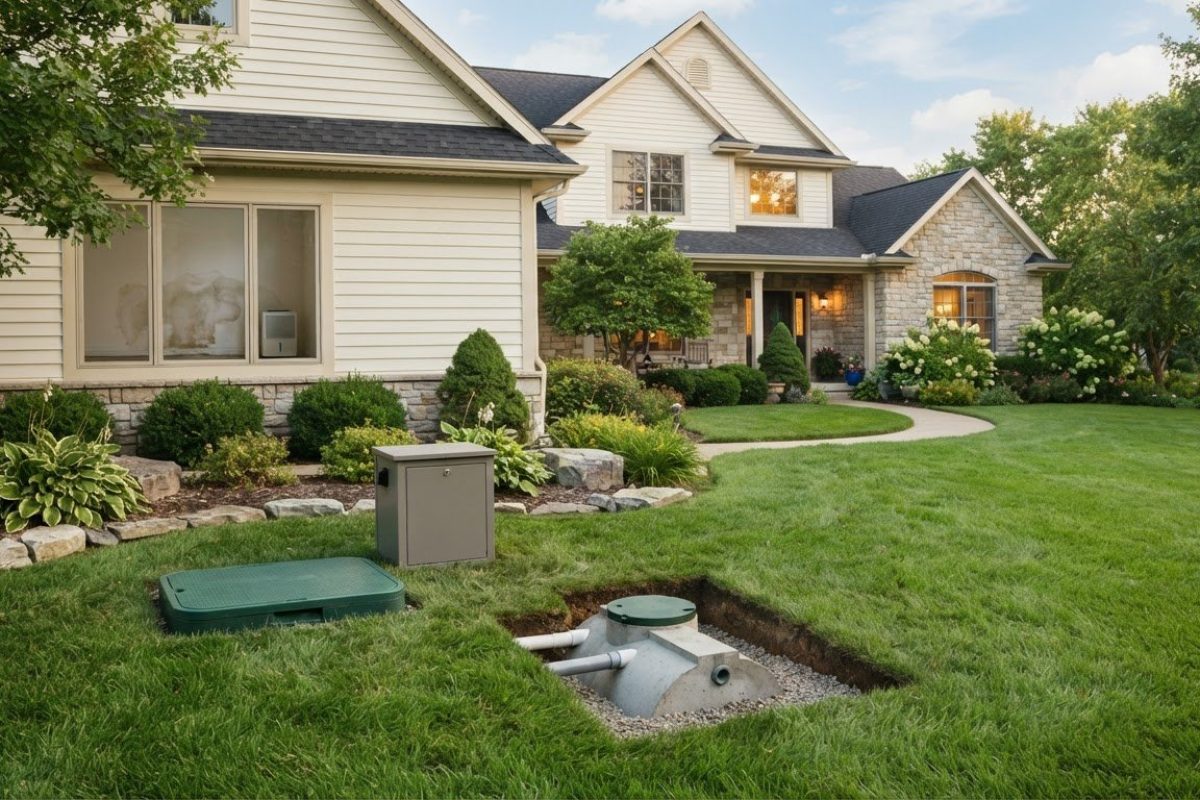
Aero-Stream offers Eco-Nest™ NSF/ANSI 40 Systems for septic-system treatment and Residential Remediator® Kits for restoration and maintenance. These products address septic-system needs, not mold removal or repairs to water-damaged rooms. If your concern involves septic-system performance, aerobic treatment supports oxygen-requiring aerobic bacteria as they break down waste.
Choose the product that matches the system issue. Residential Remediator® Kits, Bio-Brush®, and Septic Tank Air Pumps serve septic-system restoration and maintenance needs. Eco-Nest™ NSF/ANSI 40 Systems offer another system option. The right distinction matters: a septic product won’t fix a roof leak, dry damp drywall, or improve indoor air by itself.
If you’re addressing a septic-system concern, contact Aero-Stream to discuss the available options.
Choose the Right Next Step for Your Home
The benefits of a Residential Remediator kit depend on matching it to a septic-system concern, not a water-damaged room. First identify the source: septic-system performance calls for a septic-focused solution, while moisture inside the home requires attention to its source and affected materials. That distinction helps you avoid using a product designed for one problem to treat another.
If your concern involves septic-system restoration or maintenance, Aero-Stream offers Residential Remediator® Kits and Bio-Brush® technology to support aerobic treatment. For indoor moisture or mold, focus on correcting the water source and addressing affected areas. Diagnosis comes first, followed by a response suited to the problem, rather than a temporary fix.
Explore Aero-Stream’s septic-system solutions and take the next step with a clearer sense of what your home needs.
Frequently Asked Questions
What benefits does the Residential Remediator kit offer?
A Residential Remediator® Kit supports septic-system restoration through aerobic treatment. It adds oxygen to support aerobic bacteria, helping address biomat and improve effluent quality. The benefits of a Residential Remediator® Kit apply to septic-system performance, not mold cleanup or water-damaged rooms. For example, this treatment approach may be relevant to a soggy drainfield; a roof leak needs a separate repair focused on the building.
Are there safety risks, limitations, or maintenance requirements?
Use the kit for septic-system treatment, follow its illustrated instructions, and don’t treat it as a mold-removal product. The aerobic process adds oxygen without requiring chemical or bacterial additives. Maintenance depends on the septic components in your system. For example, check an effluent filter after six months and annually thereafter, cleaning it with a hose or replacing it as needed. Local requirements may also determine whether a permit is needed.
How does the Residential Remediator kit compare with alternatives?
The kit supports aerobic septic treatment by adding oxygen to support aerobic bacteria, help address biomat, and improve effluent quality. It doesn’t remove mold or repair water-damaged rooms, which require separate cleanup and building repairs.