
A larger biomedia surface can support more attached aerobic bacteria, but it does not prove the media needs replacing. Septic tank biomedia replacement depends on the media’s condition and whether wastewater can flow through it effectively, not surface area alone.
It makes sense to focus on surface area: more room for bacterial growth can support biological treatment. But media type, clogging, oxygen supply, and wastewater flow through the tank also affect performance. These factors work together, so a decline in treatment does not automatically mean the media needs replacement. First identify whether the cause is damaged or blocked media, poor aeration, or another system issue.
Key Takeaways
- Compare usable biomedia surface area with the way water moves through the media; more surface alone doesn’t establish that replacement is needed.
- Different media shapes and arrangements create different bacterial growth surfaces, so consider whether the media stays exposed to wastewater and oxygen.
- Trace treatment flow through the tank before blaming biomedia; a blockage or poor oxygen supply can affect performance even when the media remains in place.
- Use sludge and scum levels to distinguish pumping needs from media concerns: the U.S. Environmental Protection Agency recommends pumping when sludge and scum exceed 25 percent of the liquid depth, among other thresholds.
Bio media surface area and treatment performance
Biomedia surface area describes the space available for bacterial growth, but usable area matters most. Wastewater must contact the carrier, and oxygen must reach active growth. Septic tank biomedia replacement should be based on the media’s observed condition and treatment performance, not a surface-area claim alone.
A bio septic tank can reduce biochemical oxygen demand by 60-80% or more. That figure describes treatment potential, not a replacement trigger. A damaged carrier may need attention, while a large, intact surface may still function poorly if its openings are obstructed.
Your tank should be pumped if the bottom of the scum layer is within six inches of the bottom of the outlet, if the top of the sludge layer is within 12 inches of the outlet, or if more than 25 percent of the liquid depth is sludge and scum, according to the U.S. Environmental Protection Agency. These are pumping criteria, not media replacement instructions.
Never enter a septic tank to replace media. Tank access is hazardous, and replacement material must match the treatment chamber. Keep the tank closed and arrange a professional assessment of the carrier and system.
There is no single replacement price in the United States. Media type, quantity, access, and related component work affect the total. A useful estimate starts by identifying what needs replacement and why.
There is no universal replacement interval. Inspect the media and replace it only when it is damaged, persistently blocked, or no longer serving its role in the system.
For safer replacement, have the system assessed, keep people out of the tank, remove only the material that needs changing, and use media compatible with the treatment design. Then confirm the carrier is secure and the treatment path remains clear.
Contain removed media during handling and follow local disposal instructions. Keep it out of soil, waterways, and storm drains, and away from places where people or pets could come into contact with it.
A sound Septic tank biomedia replacement decision weighs carrier condition, treatment performance, safe access, and proper disposal. That evidence helps distinguish a media problem from a pumping need and guides a focused repair.
Bio media types and bacterial growth surfaces
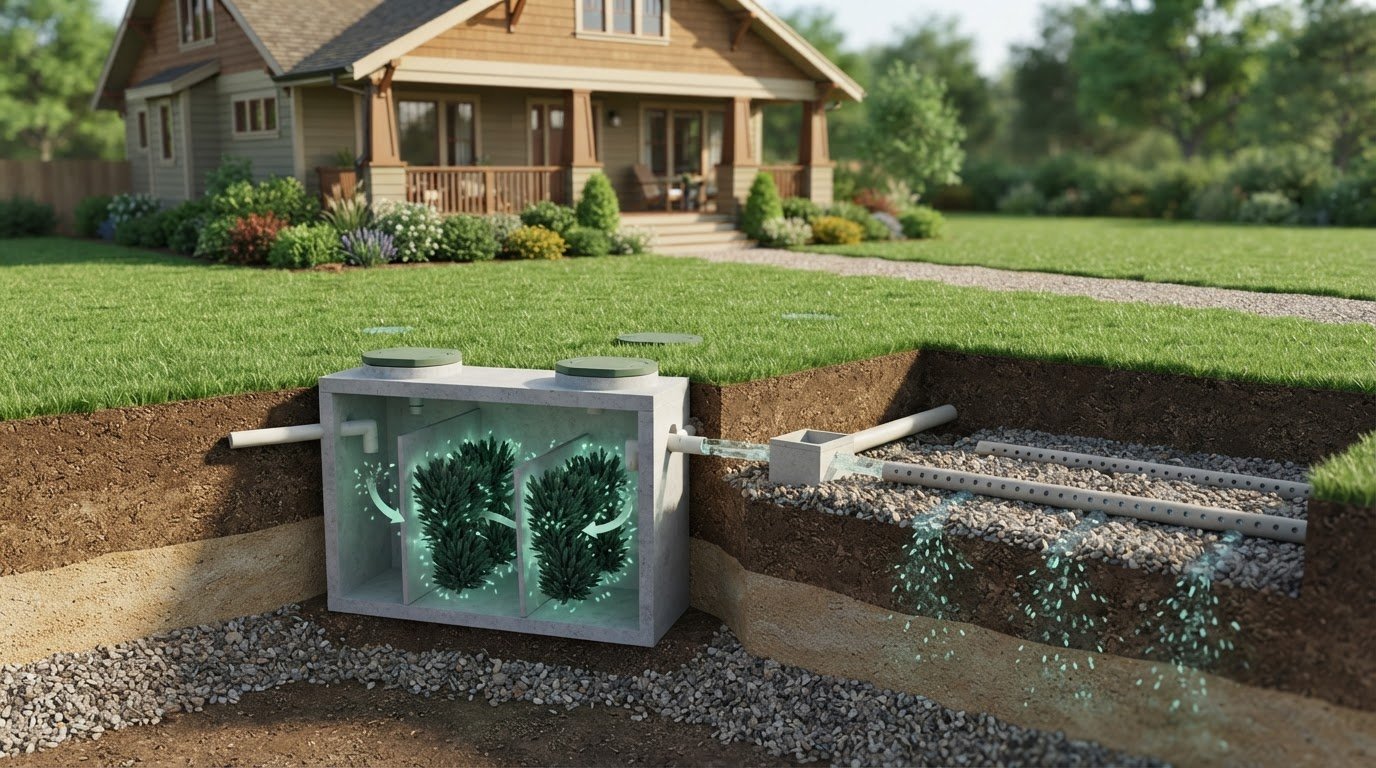
Biomedia gives aerobic bacteria a surface to attach to and form a biofilm. The carrier’s shape matters because water and oxygen must reach that living layer. A high nominal surface area helps only when channels remain open and wastewater contacts the carrier. Compacted or coated media may provide less active area than its design suggests.
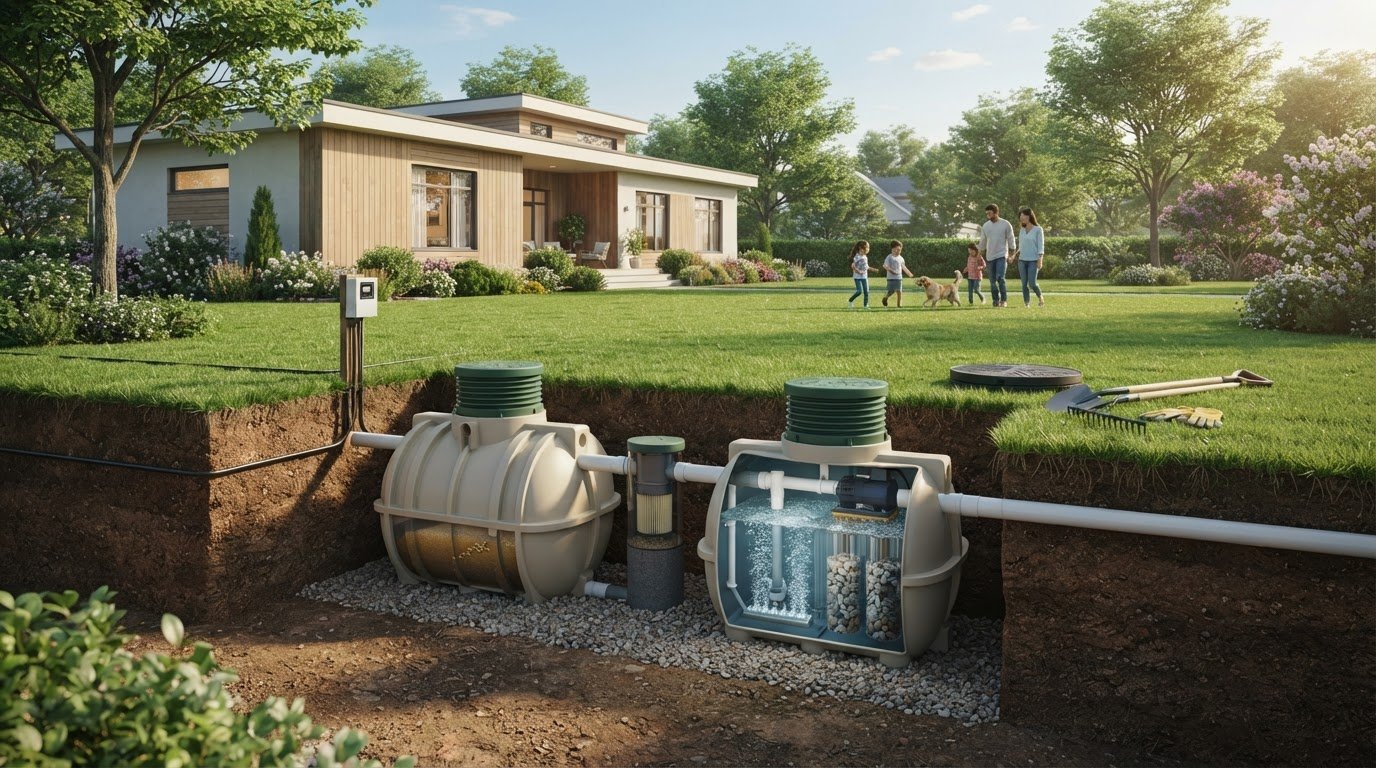
Common carrier forms include structured plastic pieces, rings, porous ceramic media, and brush-like supports. Their shapes create different combinations of open channels and attachment surfaces. Rings leave gaps for flow; porous materials provide texture; brush-like media creates many narrow spaces. None performs well when solids block flow paths or oxygen cannot reach the biofilm.
Match media to the treatment design, not just its advertised surface area. A moving-bed design needs carriers that can move without escaping their chamber, while fixed media must stay secured in the wastewater flow. Check that replacement material fits the tank’s support and retention system. A different shape can restrict flow or let carriers reach the outlet.
Mature bacterial colonies can be damaged if media is discarded, scrubbed aggressively, left to dry, or exposed to disinfectants. Removing all established carriers at once also removes organisms that contribute to treatment. New carriers need time for colonies to develop, so leave established media undisturbed unless inspection shows a reason to remove it.
To extend biomedia life, prevent excess solids from reaching the treatment area, maintain proper airflow, and avoid harsh chemicals that can disrupt bacterial growth. Include the media and air system in routine septic system maintenance.
When comparing carriers, look beyond advertised surface area. Consider whether their shape supports water circulation, oxygen transfer, and stable bacterial attachment, and whether the tank can retain the media securely. These factors determine how much surface is usable in operation.
Replacement makes sense when media is physically damaged, persistently blocked, or incompatible with the treatment chamber. If the carrier remains intact, correcting restricted flow or failed aeration may address the problem without removing established bacterial colonies.

System components and wastewater treatment flow
Wastewater first enters the primary chamber, where it typically remains for 24-48 hours. During that time, heavier solids settle, while lighter scum rises. An Effluent Baffle helps keep floating and settled solids from moving toward the outlet. Biomedia works downstream in the treatment path, where flowing wastewater contacts bacterial growth surfaces.
Most residential bio septic tanks have two to four chambers, depending on system design, treatment standards, and local regulations. Each chamber has a role. A Settling Chamber slows effluent so solids can settle; a later treatment chamber may hold biomedia and support additional biological treatment. If solids move past the first chamber, they can coat media and restrict open flow paths.
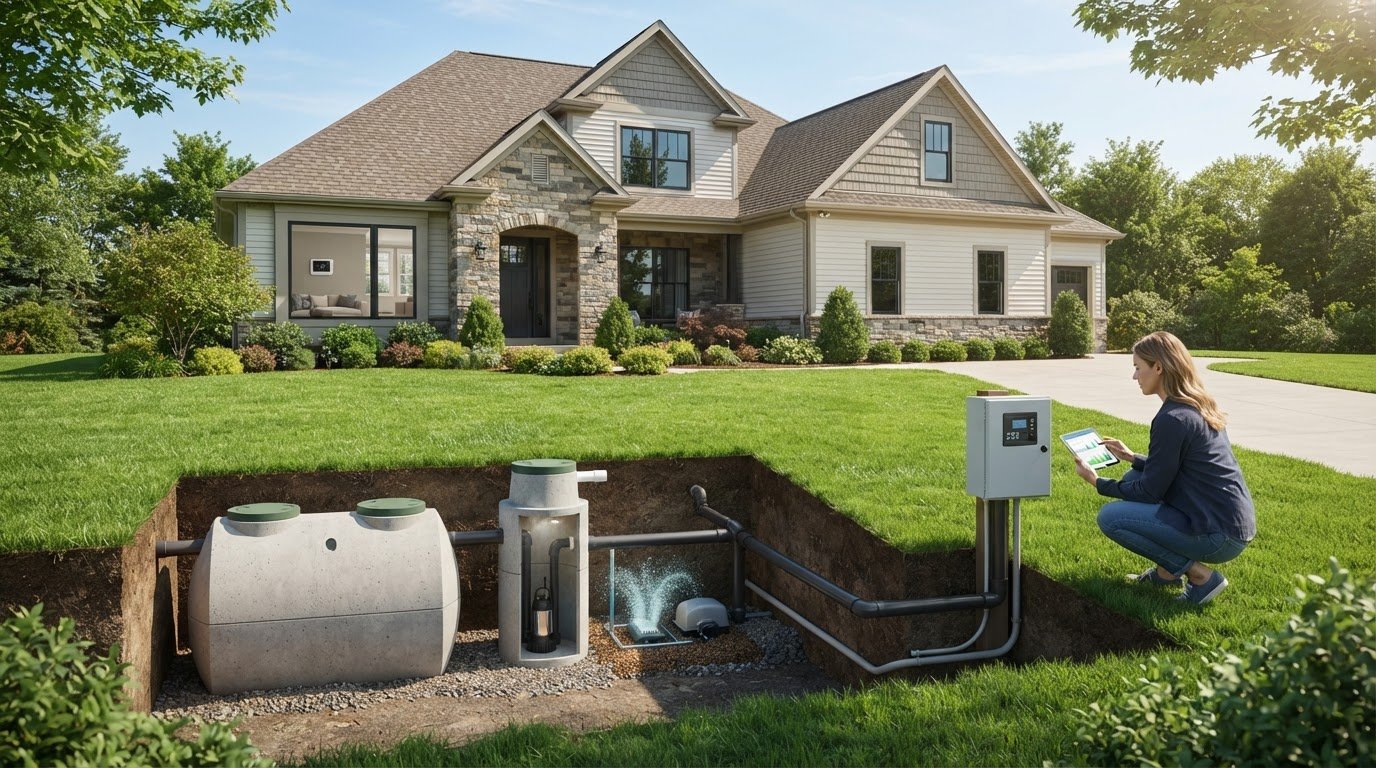
Oxygen supply also affects treatment. In an aerobic system, an air pump moves air into wastewater, helping aerobic bacteria break down organic material on biomedia. Weak or uneven airflow can leave parts of the media with less oxygen. Check that the air line, diffuser, and media arrangement allow air and wastewater to circulate through the treatment area.
Pipe layout helps control how wastewater enters and leaves the tank. A typical inlet pipe slope is 1:40 to 1:60, or roughly 1.5-2.5%. The effluent outlet pipe is set approximately 30-50% of the liquid depth from the chamber floor, depending on system design. These figures describe typical configurations, not instructions for changing existing plumbing.
After leaving the tank, effluent moves to the drainfield for soil dispersal. Treatment from tank inlet to soil discharge takes approximately 3 to 7 days. If flow slows between chambers, solids may settle in the wrong location, or media may become overloaded. Trace the path from inlet through each chamber to the outlet before treating biomedia as the sole cause.
How can you tell when septic tank biomedia needs replacement?
Odor, slow drainage, or wet areas near the drainfield can signal trouble, but none proves biomedia failure. Assess the treatment system before deciding that media needs replacement. A failed air pump, blocked flow path, excess solids, or a drainfield issue can cause similar symptoms.
Start with observations you can make safely. Check for unusual odors and inspect the drainfield surface monthly. Note whether wet patches, sewage odors, or unusually lush growth appear or change. Keep a dated record; a pattern over several inspections is more useful than one isolated observation.
Next, consider aeration. In an aerobic system, oxygen levels can drop within 24-48 hours if the air pump fails. Inspect the pump quarterly and watch for interrupted operation or changed airflow. A pump problem can limit aerobic bacteria activity even when biomedia remains intact.
An annual professional inspection and effluent check can help distinguish media problems from other causes. Ask for findings on media condition, solids carryover, airflow, and effluent quality. A clogged carrier, broken support, or media escaping toward the outlet points to a different issue than a pump that has stopped running.
Replacement is more likely to be appropriate when inspection finds media that is physically damaged, persistently blocked, or no longer retained in its chamber. If the carrier looks intact, first determine whether an air failure or restricted flow explains the decline. Replacing media without diagnosing the cause may leave the original problem unresolved.
Track the evidence before making a decision:
- Record monthly odor and drainfield observations.
- Note quarterly air-pump inspection results and any interruptions.
- Compare annual effluent findings with media and chamber condition.
Use the findings to guide the next step, not a fixed replacement calendar. If aeration performance is in question, get help evaluating septic system aeration before treating biomedia as the cause.
Aero-Stream: Eco-Nest™ NSF/ANSI 40 Systems
Aero-Stream offers Eco-Nest™ NSF/ANSI 40 Systems for homeowners considering a designed aerobic treatment option. If inspection points to an aeration problem rather than damaged biomedia, Septic Tank Air Pumps may address the system’s need for airflow. If the media itself is the focus, Bio-Brush® is a biomedia offering to consider alongside the tank’s design and flow path.
Aero-Stream’s Residential Remediator® Kits offer an option for septic system remediation. The right approach depends on inspection findings, including airflow, media condition, and the broader treatment concern. Match the product to the diagnosed issue rather than replacing media by assumption.
Review the system findings and product options with Aero-Stream. Contact Aero-Stream to discuss which offering fits your septic treatment needs.
Choose the next step that fits your system
Use inspection findings to decide what your system needs before changing its media. Septic tank biomedia replacement is a targeted response to damaged or ineffective carriers, not a substitute for diagnosing poor airflow, restricted movement, or another treatment issue. This distinction can help you avoid replacing sound media while leaving the actual fault unresolved.
If you’re considering treatment equipment or replacement media, Aero-Stream offers Eco-Nest™ NSF/ANSI 40 Systems, Residential Remediator® Kits, and Bio-Brush®. Match the option to your system’s design and the problem identified during evaluation. A clear diagnosis gives you a more useful basis for choosing what comes next.
Take the next step with your findings in hand. Contact Aero-Stream for biomedia advice and explore the available options for your septic system. You can move forward with a clearer plan and greater confidence in your decision.
Frequently Asked Questions
What is biomedia in a septic tank and what does it do?
Biomedia is part of the biological treatment stage, not a substitute for the tank’s settling or filtration components. It supports biological treatment after wastewater enters the treatment area. An effluent filter, for example, serves a separate purpose by blocking solids at the outlet. Knowing what each component does helps prevent a filter or settling problem from being mistaken for a media issue.
What types of septic tank biomedia are available and how do they compare?
Suitable media depends on the treatment system’s design. Compare any replacement option with the system’s documented specifications, including its intended chamber and support assembly. Material type or advertised surface area alone does not show that a product suits your setup. Look for technical information about intended use and relevant treatment-system test results, rather than relying on broad performance claims.
What risks can result from removing or replacing septic biomedia incorrectly?
Incorrect work can disturb settled material, damage chamber components, or leave access points unsecured. For example, a damaged outlet assembly may allow unwanted solids downstream, while a poorly secured cover can create an access hazard. Keep the tank closed and avoid disturbing internal components without a clear diagnosis. After work, confirm components are secure and wastewater follows its intended route.