The strongest pump isn’t automatically the right replacement. A high-performance septic air pump supplies air to an aerobic treatment system, supporting the bacteria that break down waste. The right choice matches your system’s specifications, not simply the pump with the biggest output.
If your pump has failed or your system’s performance has changed, a quick replacement may seem like the answer. But choosing by appearance or power alone can leave you with a pump that doesn’t suit the treatment system. Electrical requirements matter, too.
This guide explains what a septic aerator pump does, how to compare a replacement with your existing system, and which electrical details to review. Learn why the system model and pump specifications matter, how air delivery supports treatment, and what to consider before replacing the unit. The goal is a compatible choice with fewer surprises.
Key Takeaways
- Understand how added oxygen supports aerobic bacteria and wastewater treatment in an aerated septic system.
- Compare a replacement pump’s requirements with your treatment system before choosing a model; output alone doesn’t establish compatibility.
- Review the pump’s electrical requirements alongside its system specifications to avoid a mismatch.
- Learn when a compatible replacement pump may be enough and when a broader septic treatment solution may better address system performance.
What is a Septic Aerator Pump?
A septic aerator pump supplies air to wastewater, adding oxygen that supports aerobic bacteria and treatment. Before handling the pump, disconnect power at the breaker, follow the manufacturer’s instructions, and never work on wiring with wet hands.
How Septic Aerators Add Oxygen
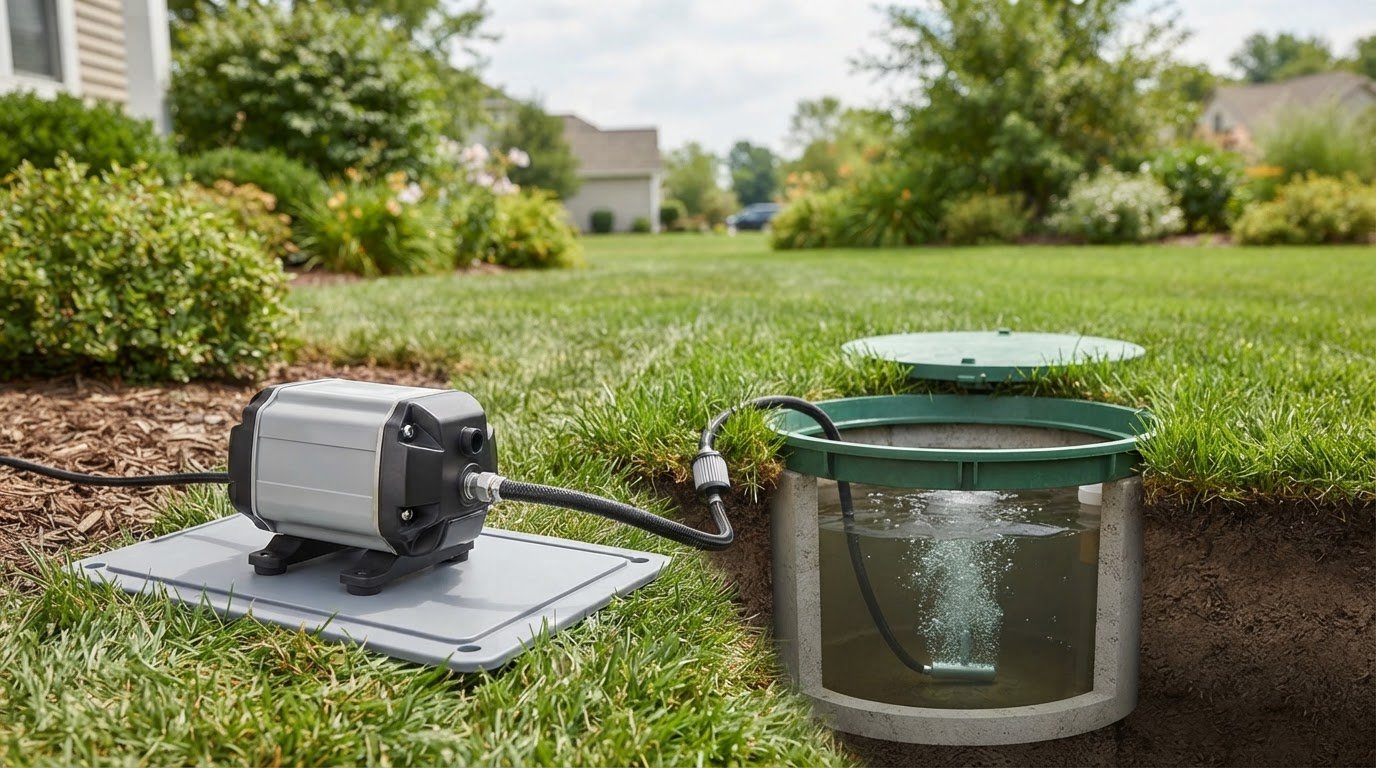
A septic aerator moves air through tubing to a diffuser or another air-distribution point in the treatment system. The diffuser releases bubbles into wastewater, where oxygen supports bacteria as they break down waste. Pressure and airflow affect performance, so a kinked tube or restricted air path can interrupt the supply. If the aerator runs but airflow has changed, inspect accessible tubing and filters as directed by the equipment instructions.
Benefits and Applications of Aerated Systems
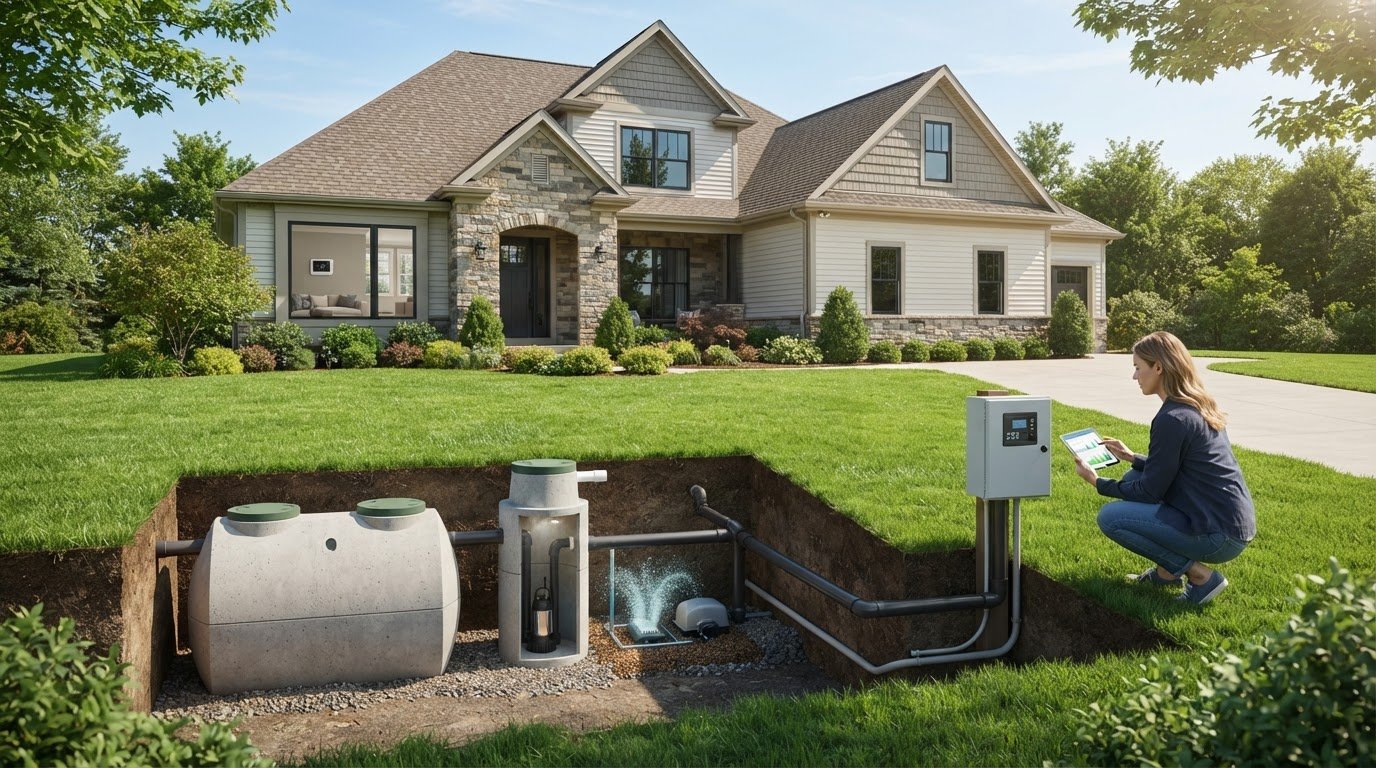
Aerated septic systems add oxygen to support biological treatment, which can help break down waste and reduce odors. They may suit properties with small lots, inadequate soil conditions, high water tables, or nearby surface water sensitive to wastewater nutrients. Aeration treats effluent; it doesn’t replace maintenance of the septic tank or drainfield. The right application depends on the site and treatment design, not simply on choosing a stronger aerator.
Maintenance keeps the pump and treatment system functioning. Homeowners with onsite septic systems should pump the tank every 3-5 years. A septic technician should service the air pump every 2-3 years, while diaphragms should be inspected every 3-5 years, depending on the model. Clean pump filters every 6 months and replace them annually. Follow the specific model instructions when carrying out upkeep.
Pond aeration and aquaculture also use aerators, but their equipment and goals differ from septic treatment. A pond aerator circulates water and adds oxygen; in aquaculture, that oxygen supports fish and other cultured aquatic life. Aerators are designed for different applications, so check compatibility before using one in a septic system. Match the aerator to its application and operating requirements.
Choosing the correct air pump for a treatment system
Choose a replacement by matching it to the treatment system, not by appearance or a “high-performance” label. Start with the system model and its pump requirements.
Sizing Pumps by System Capacity
Pump sizing depends on the overall treatment system’s design and capacity, so a larger pump isn’t automatically a better fit. Homeowners should contact the treatment-system manufacturer or a septic professional to determine the appropriate size. Compare the replacement’s model and rated output with the system’s specifications; if either differs, the pump may not deliver the air the aerobic septic system was designed to receive. Proper matching supports reliable treatment rather than excess or insufficient airflow.
Airflow and Pressure Requirements
The required airflow rate and pressure are the values specified for your particular treatment system; there isn’t one universal target for every septic aerator. Follow the system manufacturer’s requirements, since tubing length and air-path resistance affect delivery. For installations, 1/2-inch inside-diameter tubing is recommended for runs up to 100 feet, while 3/4-inch inside-diameter tubing is recommended for longer runs. These dimensions help avoid restricting the pump’s air supply.
Checking Airflow and System Performance
Check the pump’s output path, tubing, and diffuser for visible damage, kinks, or blockages. Compare the pump’s operation with its specified output and the treatment system’s normal performance. A running motor alone doesn’t prove that air is reaching the wastewater properly. If airflow or bubbles seem reduced, look for restrictions before assuming the pump is undersized. Changes in odors or effluent condition can also signal that treatment needs attention.
Performance, Durability, and Noise
Compare pumps using their stated airflow and pressure, construction details, and published noise information, rather than relying on sound or size alone. The right model supplies the system’s required air and pressure; durability depends on the pump’s design and operating conditions. Noise can help identify a change from normal operation, but it doesn’t measure treatment efficiency. For a compatible replacement, review septic tank air pumps alongside your treatment system’s specifications.

Electrical requirements
A septic air pump needs an electrical supply that matches its nameplate and the treatment system’s specifications. Confirm both before replacement; a mismatched supply can prevent proper operation.
Electrical Requirements and Power Use
Check the pump’s nameplate for its voltage, frequency, and current requirements, then compare them with the available circuit. Don’t assume two linear diaphragm pumps share the same electrical specifications. Follow the manufacturer’s wiring instructions, and have a qualified electrician handle circuit or wiring changes. Disconnect power before inspecting equipment, and keep electrical connections away from moisture.
During operation, an air pump supplies oxygen that supports aerobic bacteria in wastewater. Power draw depends on the pump’s electrical rating and operation, so its nameplate is more useful than the product category alone. Before replacing a unit, record its model and electrical details. Use that information to compare compatible options rather than guessing from physical size or sound.
Electricity and Installation Costs
That monthly operating estimate is separate from the purchase and installation total. Installation cost depends on the replacement pump, the existing electrical setup, and any work needed to connect it safely. A single installed price would be misleading without those project details.
To estimate ongoing electricity use, start with the selected pump’s rated power and your utility’s rate; local electricity prices affect the bill. For installation, consider whether the existing wiring and pump location suit the replacement. Any required wiring changes affect the total. Don’t choose a lower-powered pump based only on energy cost: it still needs to meet the treatment system’s airflow and pressure requirements.
Compare the pump’s electrical rating, air output, and required pressure together. A unit that powers on but fails to meet the treatment system’s needs can compromise operation, while an unsuitable electrical connection creates a separate problem. Keep the manufacturer’s specifications with your system records for future replacement decisions.
Compatible replacement pump models
There’s no single best-rated septic air pump model for every U.S. treatment system. A high customer rating alone can’t establish compatibility. The replacement must match the treatment system’s required airflow and pressure, as well as the existing pump’s electrical requirements. Start with the system nameplate and pump label, not the casing shape or a seller’s “universal fit” description.
Identify the treatment-system manufacturer and model before comparing replacements. Then match pump specifications to the system’s required air delivery. If the system documentation names a compatible pump, use that model as your starting point. A pump that fits the old tubing but supplies different airflow or pressure may not support treatment properly. If you can’t identify the system model, use its manufacturer’s information to determine the required pump specifications.
Compare candidates on the requirements that affect operation: airflow, pressure, electrical rating, and connection compatibility. Don’t substitute a pond aerator or aquaculture pump simply because it moves air; those devices serve different applications. A larger-looking septic aerator doesn’t automatically improve treatment either. The right replacement supplies what the system was designed to receive, without relying on assumed performance advantages.
Consider service life as a system issue, not just a brand claim. Septic aerator life varies with pump size, outdoor temperature, in-tank diffuser condition, and installation. A restricted diffuser can affect pump operation even when the replacement model is compatible. For repairs, use genuine replacement parts suited to the treatment system’s requirements; aftermarket parts may not meet its required pressures. These details matter more than a broad “best rated” label when comparing models.
For a practical comparison, record the system manufacturer, model, current pump label, and required airflow and pressure. Match those details against the replacement specifications before purchase. If you’re ready to compare compatible options, review septic tank air pumps against your system’s stated requirements.
No particular brand or model is best for every U.S. system. Choose a compatible pump specified for the treatment system, matching its airflow, pressure, and electrical requirements.
Aero-Stream: Eco-Nest™ NSF/ANSI 40 Systems
Aero-Stream offers Eco-Nest™ NSF/ANSI 40 Systems for homeowners considering an aerobic treatment option. If your replacement decision points to a broader treatment need, rather than a pump-only swap, these systems may be relevant to your next step.
For existing systems, Aero-Stream offers Residential Remediator® Kits, Bio-Brush®, and septic tank air pumps. These products address different needs: system remediation and maintenance, treatment media, or pump replacement. Use your system’s specifications to guide a pump choice, and consider remediation when the concern extends beyond the air pump itself.
If you’re weighing a compatible pump replacement against a broader septic treatment option, contact Aero-Stream to discuss your situation.
Make Your Replacement Decision With Confidence
Make the replacement easier to manage later by keeping the pump’s model information, purchase details, and operating observations with your septic system documents. This record can simplify future troubleshooting and help you track changes after replacement.
A high-performance septic air pump is part of a larger treatment process, so keep track of how the system behaves after the new unit is operating. Note unusual sounds, changes in airflow, and service work. These details provide a clearer starting point if performance changes later.
As you organize your equipment records, explore septic pump options for future replacement planning. A little documentation now can make your next maintenance decision more informed.
Frequently Asked Questions
How do I know if my air pump is providing enough air?
Use the treatment system’s alarm, if equipped, and record alerts or unusual operating changes. A quiet motor or familiar sound alone doesn’t prove that the treatment process is receiving adequate air. If you’re uncertain, have a qualified technician assess the system and document the result. That record provides a useful baseline for future maintenance.
How long do septic air pumps last?
There’s no single replacement age that applies to every septic air pump. Follow the manufacturer’s care guidance for your model, and keep its purchase and service records together. If the pump stops operating or its condition changes, don’t wait for an assumed lifespan to expire. A technician can assess whether repair or replacement is appropriate.
What Type Do I Need?
First identify the equipment you’re replacing: a septic treatment air pump isn’t interchangeable with a pond aerator or aquarium air pump. Check the pump’s identification label and the treatment system’s documentation. If the label is hard to read, take a clear photo before it fades further. This helps identify the intended pump category.
What should I do if my air pump gets wet or flooded?
Don’t assume a flooded pump is safe to restart once it dries. Keep it out of operation and note how high the water reached, how long it was exposed, and whether it was running. Avoid opening the housing or testing the unit yourself. Have the pump and electrical components assessed before restoring operation, and monitor the septic system for signs of interrupted treatment.
What is a high-performance septic air pump and how does it work?
A septic air pump provides the air supply an aerobic treatment process needs during normal operation. “High-performance” is a descriptive label, not proof of a universal rating or guaranteed treatment result. The pump supports the biological treatment stage; it doesn’t replace the tank, treatment chamber, or drainfield. Assess its role as one component of the complete wastewater system.
How do I choose the right septic air pump for my tank and system?
Use the existing equipment’s model information to establish what the system was designed to use. If the original pump label is missing, check the treatment system’s identification plate or owner documents. Provide those details to the system manufacturer to identify the model before ordering. Avoid choosing by tank size, appearance, or a general “fits most systems” claim alone.