
A fear of a septic backup in your house is understandable, but the pattern of symptoms can help narrow down the cause. If sewage backs up in only one fixture while other drains work normally, a blockage in that fixture’s pipe is more likely; if several rooms are affected, the main outflow pipe or septic tank may be involved. Either way, stop adding wastewater and take the warning seriously.
Fear of a septic backup in your house is understandable: sewage can enter living spaces or surface outdoors near the tank or drainfield. Take practical steps to limit exposure and note whether the problem seems localized or system-wide.
This guide explains common causes, what backup signs may indicate, and when to call a plumber or septic specialist. You’ll learn how repairs address a blocked pipe, overloaded tank, damaged line, or failing drainfield, and when aerobic treatment may be relevant to system performance. Start by noting where the backup occurs, then follow the clues.
Key Takeaways
- Use which fixtures are affected to help distinguish a localized pipe blockage from a broader septic-system problem.
- Recognize outdoor warning signs and keep people and pets away from areas where sewage may be surfacing.
- Know when to stop using water and call a qualified professional, especially if several rooms are affected.
- Learn how repairs depend on the cause, and when an aerobic treatment system may help address septic-system performance.
What Causes Septic Tank Backups?
Prevent backups by limiting what enters your drains, managing household water use, and protecting the drainfield. According to the U.S. Environmental Protection Agency, septic tanks typically need pumping every 3 to 5 years. Household size and water usage affect the ideal frequency.
- Check where the backup occurs. If one sink or toilet backs up while other drains work normally, suspect a blockage in that fixture’s pipe. Fat, grease, wet wipes, and debris can obstruct a local drain. Avoid adding more wastewater to that fixture.
- Keep unsuitable material out of drains. Flush only human waste and septic-safe toilet paper. Put wet wipes, grease, and other debris in the trash, not the toilet or sink. These materials can contribute to pipe blockages and interfere with normal flow.
- Spread water use through the week. Running showers, laundry, and dishwashers together can send a surge of wastewater into the system. Space these activities out instead. This reduces sudden loading on the tank and drainfield.
- Track pumping and sludge checks. Household size and water use influence how quickly solids accumulate. Schedule annual professional check-ups to monitor septic tank sludge levels, and follow the pumping interval recommended for your household. A tank holding too much sludge may not accept wastewater normally.
- Protect the drainfield from pressure. Keep vehicles and heavy equipment off the area. Compacted soil can interfere with the soil’s ability to absorb treated effluent. Use the drainfield location to guide parking and equipment decisions.
- Reduce root intrusion. Trim trees near the drainfield to help prevent roots from entering pipes. Roots can damage or obstruct lines, restricting wastewater movement and contributing to system trouble.
- Act on recurring or widespread symptoms. A blockage may be limited to one pipe, but a full tank, damaged pipe, or failing drainfield can affect the broader system. Note which fixtures are affected and whether the problem returns; that pattern helps a qualified professional identify the cause.
Health and property risks of sewage backups
- Keep children and pets away. Sewage in a home is a health risk, even when it comes from one fixture. Block access to the affected bathroom, basement, or yard, and keep children and pets clear until the area is addressed.
- Avoid contact with indoor sewage. Don’t touch pooled wastewater or contaminated belongings with bare hands. Keep people out of the affected room, and avoid moving items through clean areas, which could spread contamination around the home.
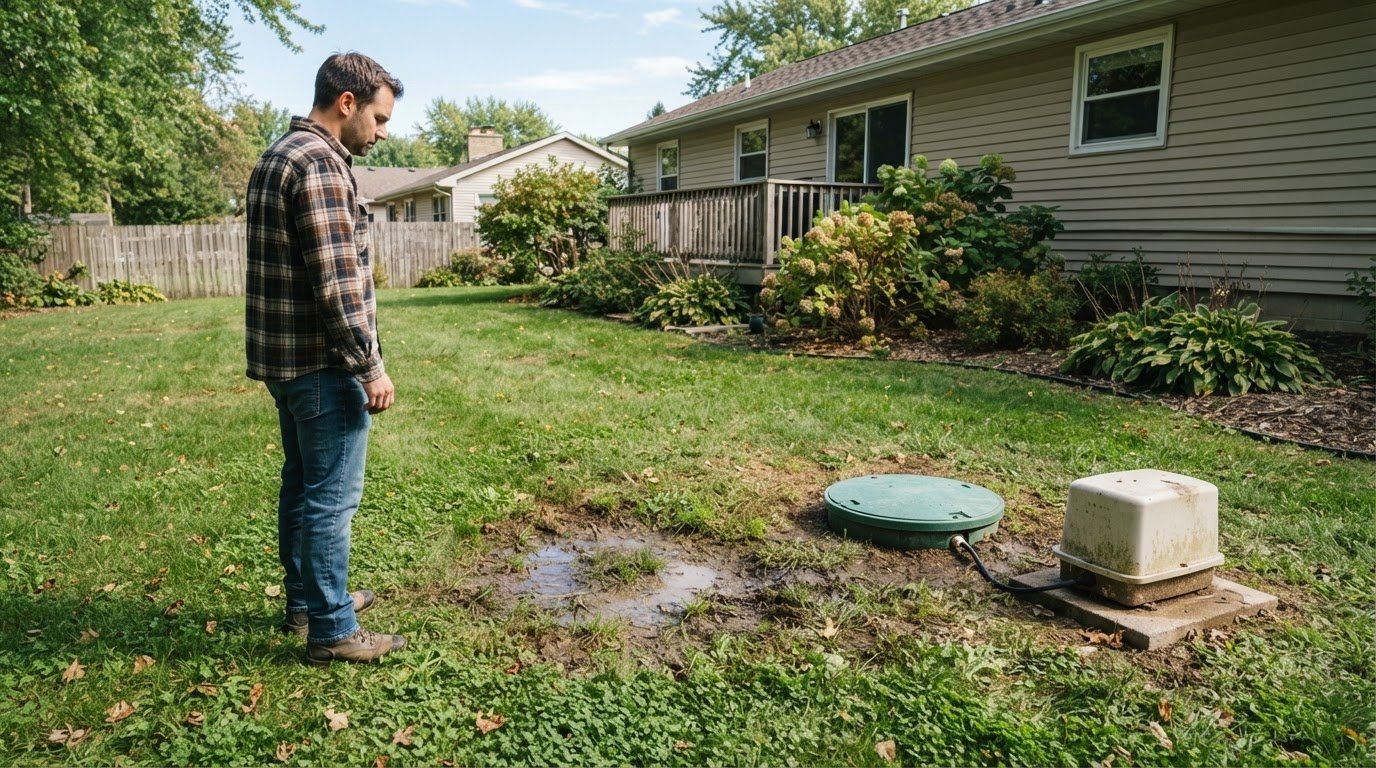
- Watch for outdoor overflow. Sewage pooling or bubbling near a septic tank or drainfield can signal an overloaded tank, damaged pipe, tank needing emptying, or failing drainfield. Unusually lush or fast-growing grass above a drainfield may also indicate outdoor overflow.
- Respond carefully to a yard spill. Stop using water in the house to reduce additional flow into the system. Keep children and pets well away from the affected area. Don’t cover the spot, walk through it, or try to clear it yourself.
- Take sewage odors seriously. A strong sewage smell throughout the house can signal a serious backup. Note where the odor is strongest and whether it occurs alongside slow drains, visible wastewater, or bubbling in the yard. These details help a professional assess the issue.
- Protect floors and belongings. Sewage can damage flooring, drywall, stored items, and other surfaces it reaches. Keep people out of affected rooms, avoid handling contaminated materials, and record visible damage from a safe location for your insurance documentation.
- Review your insurance policy. Homeowners insurance coverage for septic backups and sewage cleanup depends on the policy wording and applicable endorsements. Don’t assume either is covered; look for specific language about septic overflow, sewer backup, cleanup, and damaged belongings.

When to call a plumber or septic specialist
- Check how widely the problem is spreading. Note every affected drain, toilet, and room. A backup limited to one fixture, with other drains working normally, points more toward a local pipe blockage. Sewage affecting multiple rooms calls for prompt professional attention.
- Stop adding wastewater. If several rooms are affected, stop using water throughout the home. If only one fixture backs up, don’t flush it, run its taps, or use appliances connected to that drain while you wait for help.
- Call a plumber for a localized blockage. When one sink, shower, or toilet is affected and other drains work normally, the obstruction may be in that fixture’s pipe. A plumber can assess and clear a local blockage, including with professional hydro jetting when appropriate.
- Contact a septic specialist for system-wide signs. Toilets that flush slowly or won’t flush throughout the house can indicate a serious backup. So can water rising in one fixture when another is used, such as a toilet bubbling as the shower runs. If fear of a septic backup in your house makes it hard to judge the pattern, use these symptoms to guide your next call.
- Treat multiple-room sewage as urgent. The main outflow pipe may be blocked, or the Septic Tank may be full and unable to accept wastewater. Keep water use stopped and describe which rooms and fixtures are affected when arranging professional help.
- Call promptly if you see outdoor warning signs. Sewage pooling or bubbling near the tank or drainfield can point to an overloaded tank, damaged pipe, tank needing emptying, or failing drainfield. Don’t enter or disturb a contaminated area while seeking help.
- Share a clear symptom history. Tell the professional when the backup began, whether it affects one fixture or several, and what happens when water is used elsewhere. A fear of a septic backup in your house shouldn’t lead to repeated drain tests; a concise symptom history helps distinguish a local drain issue from a broader system problem and guides the next diagnostic steps.
Septic system repairs and replacement
Repair and sewage-disposal requirements vary by state and county. Ask your local health department which requirements apply before work begins.
-
Assess Repairs or Replacement
Have the tank, pipes, and drainfield professionally assessed. Ask which inspection findings point to the cause, such as a damaged pipe, blocked outflow, or poor soil absorption. Match the proposed work to the diagnosed problem. A localized pipe issue may need a targeted repair, while drainfield failure may require broader corrective work. A backup alone doesn’t mean the entire system needs replacement.
- Confirm the scope before authorizing work. Request a clear explanation of which components are affected and why. If the assessment identifies a tank, pipe, or drainfield problem, ask how the proposed repair addresses that cause. Check whether the work involves sewage disposal, permits, or other local requirements, and resolve those details with your local health department before proceeding.
-
Review Cleanup and Repair Costs
Review indoor cleanup separately from septic-system repair. Cleanup depends on where sewage reached, which surfaces or belongings were affected, and what is needed to address contamination. Repair costs depend on the diagnosed failure, components involved, and extent of damage. Ask for each part of the work plan to be explained separately, so you can compare it with the inspection findings.
- Compare repair with replacement based on the diagnosis. Ask what evidence supports replacing the system instead of repairing a failed component. A damaged line, tank problem, and failing drainfield each require a different assessment; the affected parts and soil conditions shape the remedy. There is no single price for sewage cleanup and septic repair across the United States. Review the cause, damage, cleanup needs, and repair scope before deciding.
Aero-Stream: Eco-Nest™ NSF/ANSI 40 Systems
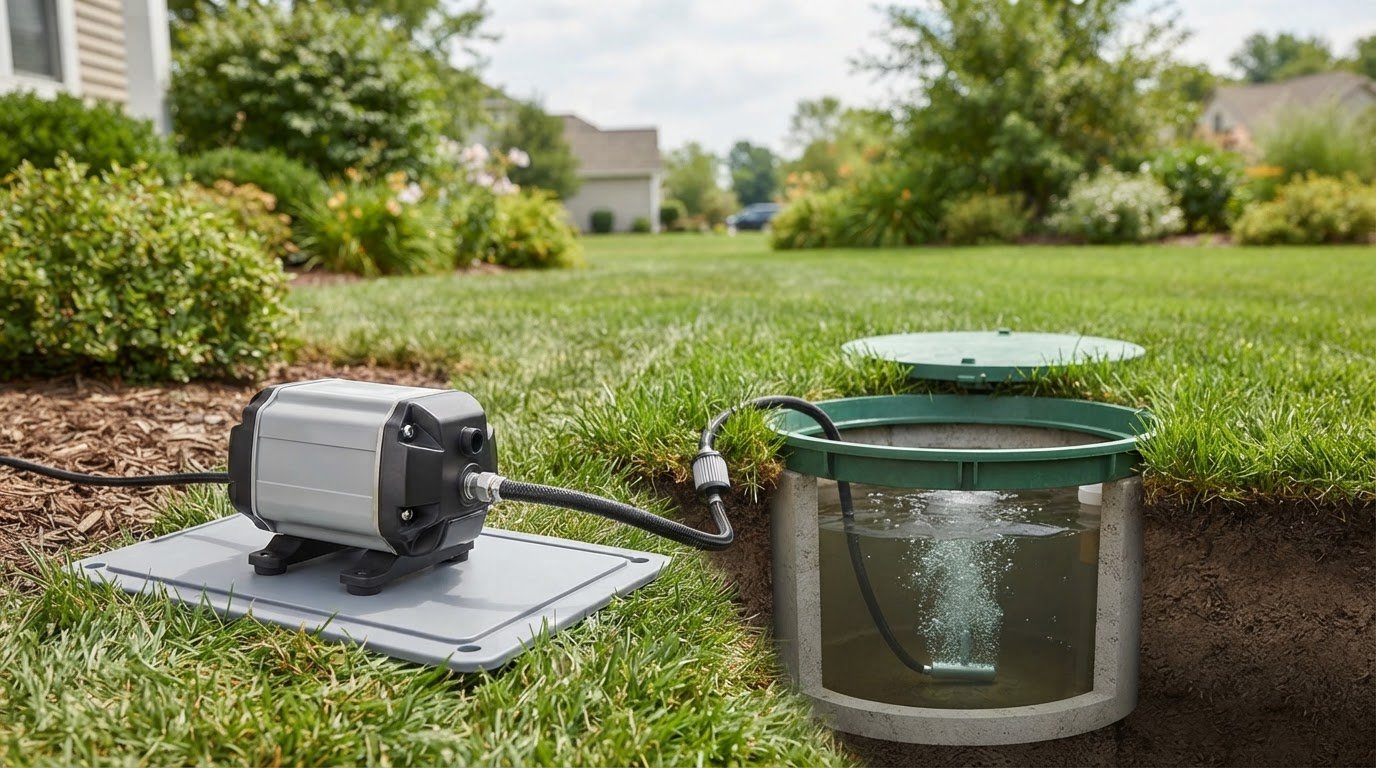
Aero-Stream offers Eco-Nest™ NSF/ANSI 40 Systems for homeowners exploring septic system treatment options after identifying a system performance problem. Its systems and Residential Remediator® Kits are designed to restore and maintain septic systems through aerobic treatment, which supports waste breakdown and can help improve effluent quality.
Aero-Stream’s treatment products are not a substitute for diagnosing a blocked pipe, damaged line, or failing drainfield. Identify the cause first, then consider whether treatment equipment fits the system’s needs. Aero-Stream also sells septic tank air pumps and Bio-Brush® components.
If you’re considering aerobic treatment, visit aero-stream.com to learn more about Aero-Stream products.
Choose Your Next Step With Confidence
If fear of a septic backup in your house is still shaping your decisions, focus on an informed next step rather than a quick fix. Use the diagnosis to distinguish physical damage that needs repair from treatment needs that may suit an aerobic system. This keeps equipment decisions grounded in the identified condition, not guesswork.
Aero-Stream offers Eco-Nest™ NSF/ANSI 40 Systems, Residential Remediator® Kits, and Bio-Brush® for septic-system restoration and maintenance. Consider these options when exploring treatment equipment for a system that has been assessed, not as a substitute for addressing a damaged pipe or other physical failure.
When you’re ready to discuss your septic concerns and product options, contact Aero-Stream about septic concerns. A clear diagnosis gives you a stronger starting point for choosing what comes next.
Frequently Asked Questions
What are the signs of a septic system backup in a house?
Common signs include wastewater returning through a drain, toilets flushing poorly, or unusual bubbling in the plumbing. Note which fixtures show symptoms and whether they occur together. Record when the problem began, what was running beforehand, and whether symptoms stopped or continued. These details can give a plumber or septic specialist useful clues beyond a single symptom.
What causes septic backups in homes?
A backup may come from a local drain obstruction or a problem elsewhere in the septic system. Household waste that shouldn’t go down drains can contribute to clogs, while accumulated solids, a damaged pipe, or impaired drainfield function can restrict wastewater flow. If symptoms return after a drain clears, note the pattern: recurring problems may point beyond one fixture’s plumbing.
What should you do immediately if sewage backs up into your house?
Stop using water and keep people away from the affected area. Don’t flush toilets, run taps, or start water-using appliances, since each adds wastewater to the system. Avoid touching sewage or carrying wet belongings through clean rooms. Note the affected fixtures and when the problem began, then share those details when arranging professional help.
Is sewage from a septic backup dangerous to health?
Yes. Sewage in a home is a health risk, even if the backup is limited to one fixture. Avoid direct contact and keep children and pets out of the affected space. Don’t treat visible sewage as ordinary dirty water or spread it by carrying contaminated items through the house. If sewage has overflowed outdoors, keep clear and don’t try to cover or clear the area yourself.
Who should you call for a septic backup: a plumber or septic service?
Call a plumber when symptoms appear limited to one fixture and other drains work normally. Contact a septic specialist if several rooms are affected or symptoms suggest a system-wide issue. If you’re unsure, describe where wastewater appears and what happens when another fixture is used. That pattern can help determine which professional should assess the problem.