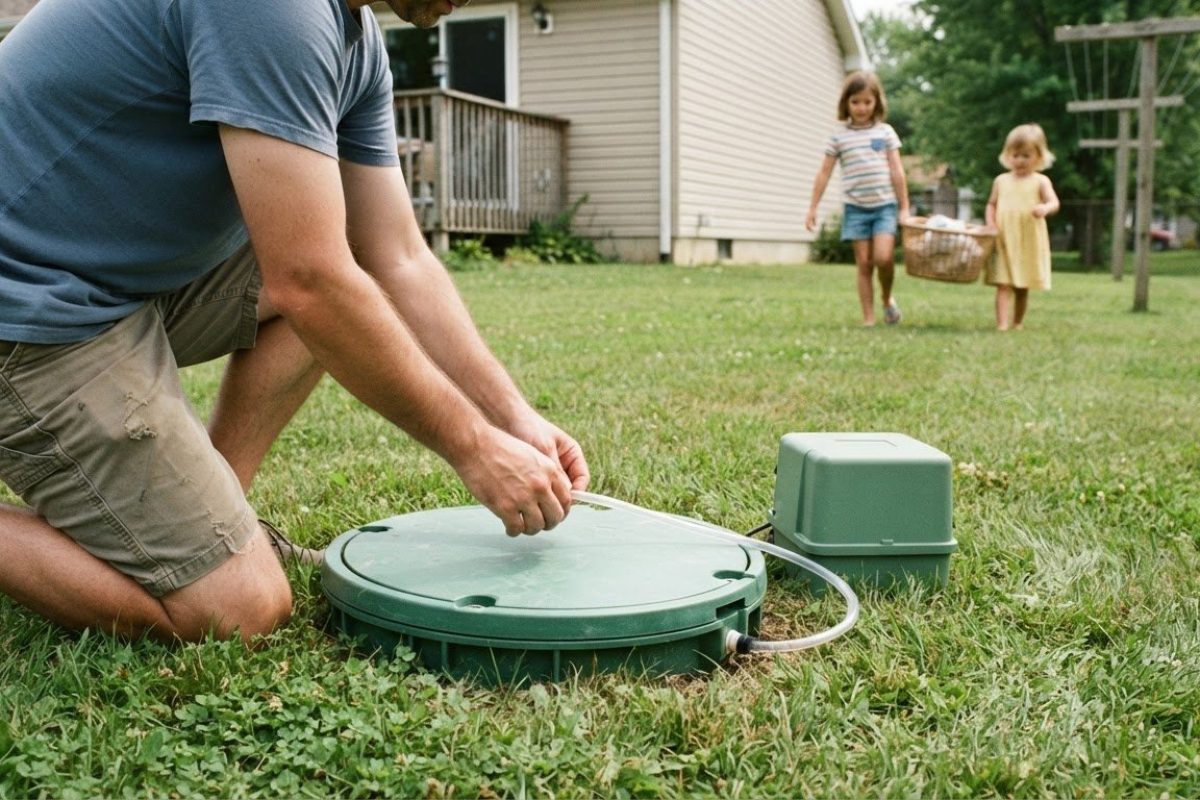
Septic system maintenance for busy families is easier with two schedule anchors: the U.S. Environmental Protection Agency recommends an inspection every three years, while septic tanks typically need pumping every three to five years. The right pumping schedule also depends on tank size and household use, so a full house or frequent laundry can change the timing.
It’s easy to put maintenance off when drains work and there’s no odor. But everyday habits matter: using too much water at once can strain the system, and flushing wipes or pouring grease down the drain can cause problems. This guide explains how wastewater moves through a septic system, how to track solids and plan pumping, and how to spread out water use and keep unsuitable items out of drains. You’ll find a practical routine that fits family life and helps you notice warning signs early.
Key Takeaways
- Understand how the Septic Tank separates waste and how treated liquid moves to the drainfield, so you can recognize what each part does.
- Use the tank’s measured solids levels and your household’s size and water use to guide pumping plans instead of relying on a fixed calendar alone.
- Spread laundry and other heavy water use across the week to reduce sudden strain on your septic system.
- Keep wipes, grease, chemicals, and other unsuitable materials out of drains; if you’re exploring aerobic treatment equipment, learn how Septic Tank Air Pumps fit into septic system care.
1. What is a septic system?
A septic system treats household wastewater on the property. The septic tank separates solids from wastewater, and liquid effluent flows to a drainfield for further treatment in the soil. Bacteria in the tank help break down waste. A garbage disposal adds solids, which can affect how quickly they accumulate and when the tank needs attention.
For routine care, the U.S. Environmental Protection Agency recommends a professional septic system inspection every three years. Inspections and pumping are separate tasks: pumping timing depends on tank size, household use, and measured solids. Keep a record of findings, pumping dates, repairs, and changes in household occupancy. This history gives the next inspection useful context.
State and county requirements vary with local regulations and system design. Alternative systems with mechanical parts should be inspected annually, and the pump in a low-pressure dosing system should be checked each year. Before buying a home, arrange separate inspections of the septic system and sewer line. Review any existing maintenance records as part of the purchase.
Add treatment lagoons to the property’s maintenance calendar. Record inspection dates and findings alongside other system records so you can track changes over time. For a low-pressure dosing system, schedule an annual pump check to keep its mechanical component on track.
There is no single nationwide price for septic tank pumping and inspection. Costs depend on tank size, access, solids levels, and the scope of the inspection. A service plan, reminder app, or shared calendar can help your family track appointments and keep records together. These tools support organization, but they don’t replace an inspection or solids assessment.
2. Monitoring solids and scheduling septic tank pumping
Your septic tank separates waste before liquid flows to the drainfield, where soil provides further treatment. Bacteria break down some waste, but solids remain and gradually accumulate. The U.S. Environmental Protection Agency says septic tanks typically need pumping every three to five years. Tank size, household use, and measured solids help determine the right schedule for your system.
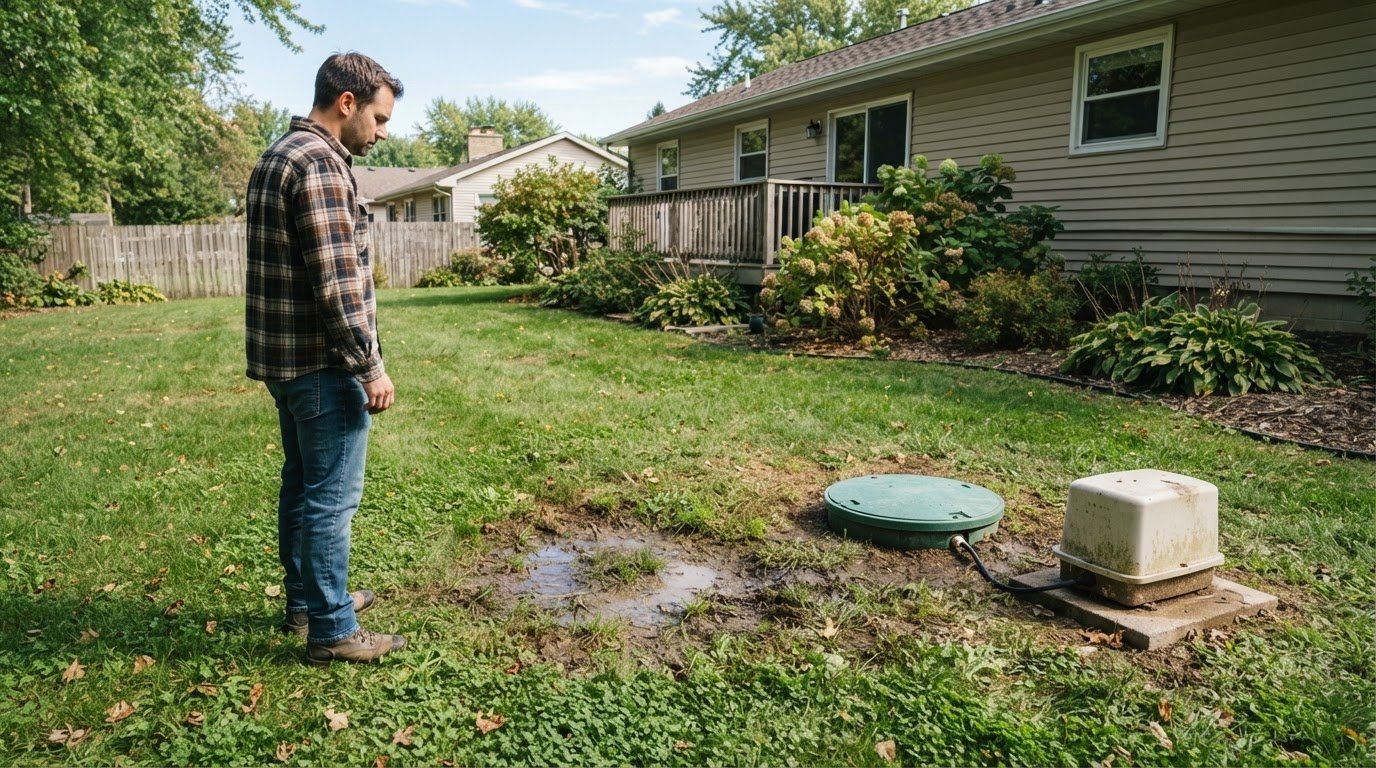
Solids, not the calendar alone, determine when pumping is needed. Pumping is recommended when the sludge layer reaches one-third or more of the liquid depth. During an inspection, a professional can safely measure sludge and scum levels. Don’t open the tank or try to assess its contents yourself. Slow drains, sewage odors, or wastewater backing up are warning signs that need prompt attention.
For a busy family, keep a simple record of pumping dates, inspection findings, household changes, and symptoms. Use it to plan the next professional solids measurement, then schedule pumping based on the tank’s condition. Watch for odors, leaks, and slow drains, and avoid overwhelming the system with excess water. These observations help, but they don’t replace a professional assessment.
Protect the tank and drainfield between visits. Keep cars and heavy equipment off both areas because weight can crush pipes and compact soil. Avoid planting trees or shrubs near the drainfield, where roots may enter pipes. Keep grease and unsuitable waste out of drains, and flush only human waste and toilet paper.
A realistic family routine combines daily care with periodic professional checks: notice changes in drains, record symptoms when they appear, and base pumping on measured solids rather than a fixed assumption. Keep tank access secure, and use septic tank risers to provide accessible tank openings. A professional inspection can assess the system and determine whether solids call for pumping.

3. Managing household water use within septic system capacity
Every gallon entering your household plumbing eventually reaches the septic system. A system designed for a family of four should treat no more than 400 gallons of wastewater per day. Visitors can double household water use, so several showers, meals, and laundry loads can create a sudden surge. Spread water-heavy activities across different days to give the tank and drainfield time to manage incoming flow. A plan for septic system maintenance for busy families should account for those higher-use days.
Laundry is an easy place to start. Do no more than two loads per day, and avoid running the washer while several people shower or use the dishwasher. Newer energy-efficient washers use 50% less water than standard models. Repair leaks promptly, and replace older fixtures with water-saving options where practical. These changes reduce the amount entering the system without major changes to household routines.
Toilets and faucets also affect daily demand. Low-flush toilets use 1.6 gallons per flush, compared with 3 to 5 gallons for conventional toilets. Water-saving faucet and shower-head devices can reduce water use by up to 50%. A garbage disposal can add up to 50% more solid matter to the system. In Colorado, a larger leachfield is required when a home uses a garbage disposal.
Watch for other sources of sudden water flow. Some water softeners can discharge hundreds of gallons into a septic system at once. Don’t connect a sump pump to the system, and direct roof drains and rainwater away from the drainfield. Before installing or draining a hot tub, plan where its water will go: a large discharge into the septic system can overwhelm its treatment capacity. Use septic-safe cleaners, and don’t use the garbage disposal to get rid of food scraps. Conserving water is a practical part of septic system maintenance for busy families.
4. Keeping grease, wipes, chemicals, and other harmful materials out of drains
Use toilets only for human waste and toilet paper. Wipes can remain intact in plumbing, even when the packaging calls them flushable, so put them in household waste instead. In the kitchen, collect grease in a container and discard it with solid waste rather than pouring it down the sink. Food scraps, oil, and grease add material your septic system must handle.
Choose household cleaners carefully and follow their labels. Don’t pour paint, pesticides, solvents, or strong drain cleaners into toilets or sinks, as these materials can disrupt treatment inside the septic tank. If a drain slows, avoid repeated doses of chemical cleaner. Reduce water use at that fixture and address the plumbing problem.
Keep water that doesn’t belong in the drainfield away from it. Direct roof drains, sump pumps, and other rainwater drainage elsewhere. Runoff adds water for the soil absorption area to manage, and saturated soil has less capacity to accept treated liquid. Maintain a clear route for rainwater to flow away from the drainfield.
Roots and heavy traffic can damage buried components. Avoid planting trees or shrubs near the drainfield, where roots can enter and clog pipes. Keep cars and heavy equipment off the tank and drainfield because their weight can crush pipes and compact soil. Use another parking area, even for a short visit, and keep children’s play areas and regular vehicle routes away from system components.
Make these rules easy for the whole household to follow. Place a waste bin beside each toilet, and remind guests not to flush wipes. Keep grease out of kitchen drains, and direct outdoor runoff away from septic components. For help protecting your system, explore septic system care options.
Aero-Stream: Septic Tank Air Pumps
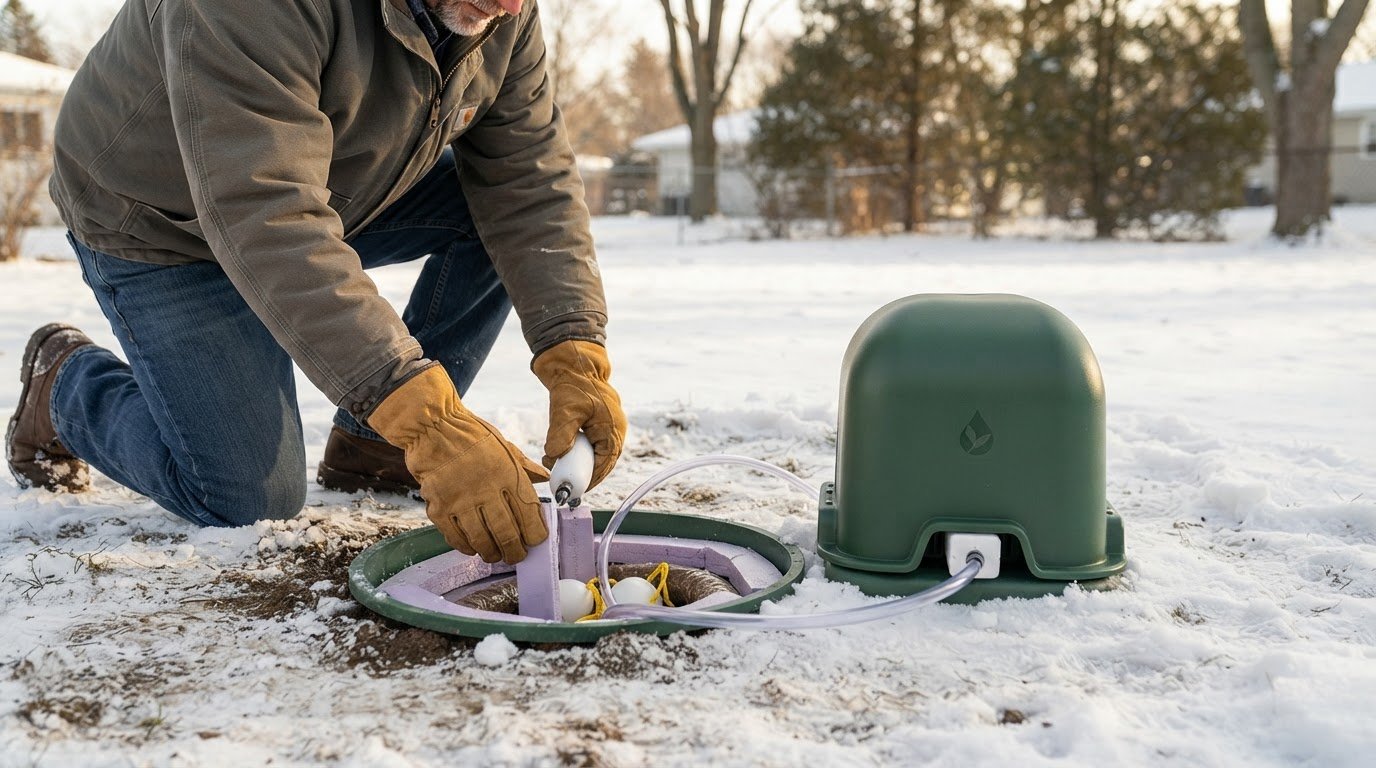
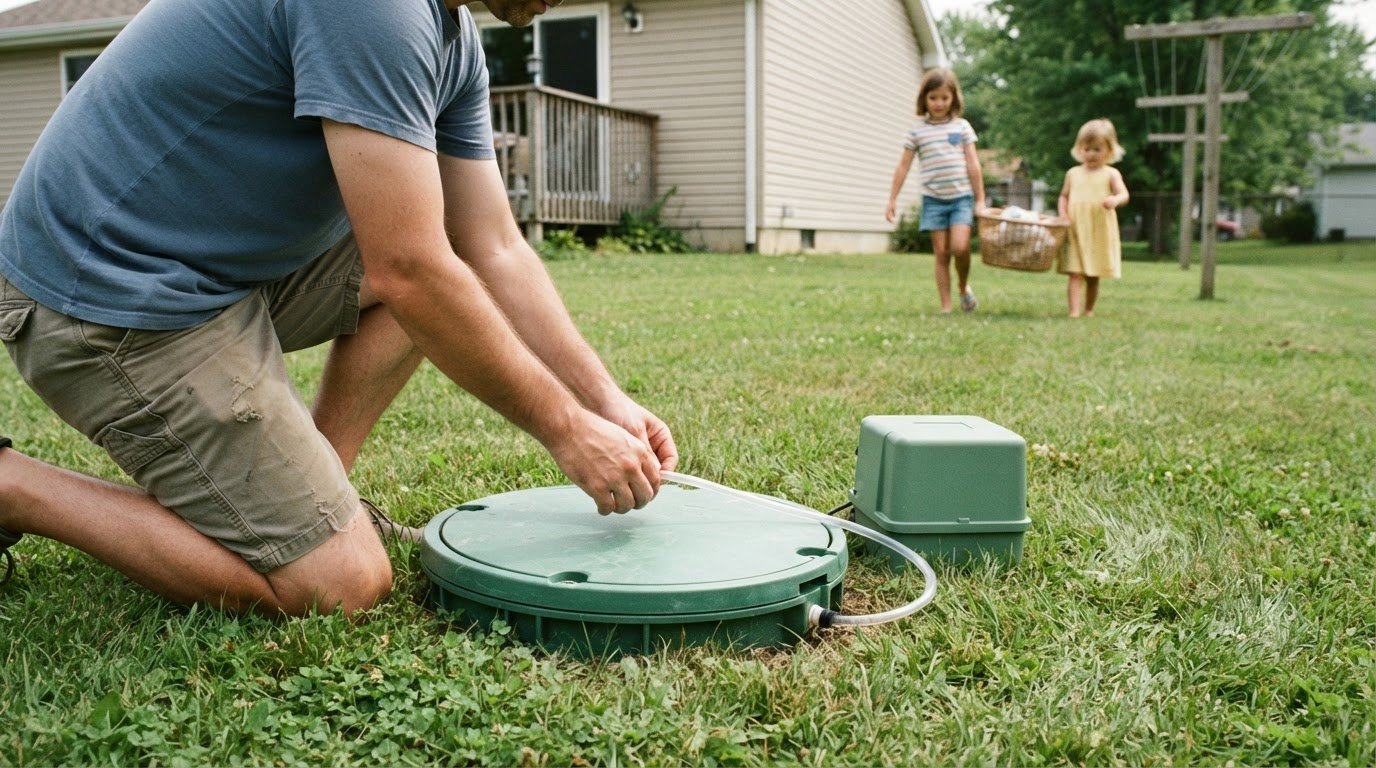
Aero-Stream sells septic tank air pumps for homeowners considering aerobic treatment as part of septic system care. An air pump adds oxygen to wastewater, supporting aerobic bacteria that break down waste. Aeration can provide treatment support, but it doesn’t replace solids monitoring or pumping based on tank conditions.
Aero-Stream also offers Residential Remediator® Kits, Bio-Brush®, and Eco-Nest™ NSF/ANSI 40 Systems. These options address septic treatment and system components; the right fit depends on your system and its needs. If routine care hasn’t resolved signs of trouble, such as persistent odors or slow drains, consider whether treatment equipment may be appropriate alongside professional assessment.
Contact Aero-Stream to discuss septic treatment options for your system.
Make your next step manageable
Make septic system maintenance for busy families a shared household routine. Keep system records where everyone responsible for the home can find them, and assign one person to track upcoming maintenance. This simple handoff can keep important tasks from getting lost among school, work, and family commitments.
If you’re considering treatment equipment, match the option to the system’s needs rather than treating it as a substitute for routine care. Aero-Stream offers Eco-Nest™ NSF/ANSI 40 Systems, Residential Remediator® Kits, and Bio-Brush®. Each is part of its septic system product range, with different roles in treatment and system support.
Bring your questions and system details into the next conversation. Contact Aero-Stream about septic system options to discuss a practical path forward. With clear records and a routine your household can maintain, you can take the next step with confidence.
Frequently Asked Questions
What Should You Do?
Assign one household member to keep the property’s septic records together. Save the system diagram, inspection reports, and repair receipts in a shared folder, then add a calendar reminder for the next planned inspection. If ownership changes, pass the records to the next owner. A clear history makes it easier to understand the system layout and previous work.
What is a septic system?
A septic system treats wastewater on the property rather than sending it to a municipal sewer. Its design may include a septic tank, pipes, and a drainfield, though components vary by property. The tank and drainfield work together to manage household wastewater. Knowing the system type helps you understand its records and plan property changes.
How often should a household septic tank be inspected and pumped?
The U.S. Environmental Protection Agency recommends a professional inspection every three years, while pumping is typically needed every three to five years. An inspection assesses the system’s condition; pumping removes accumulated solids. Track these as separate appointments, and use inspection findings and measured solids to plan pumping rather than assuming both tasks happen during one visit.
What household habits help prevent septic system failures?
Give everyone in the household simple septic-safe routines to follow. A note near the laundry area can remind family members to spread water-heavy chores across the week, while a shared calendar tracks maintenance tasks. When guests stay, explain how the home handles wastewater. Clear instructions help prevent accidental misuse and keep routines consistent when household patterns change.
Which items should never be flushed or poured down a drain with a septic system?
Keep non-waste items and household chemicals out of septic plumbing, and dispose of them through appropriate household waste or local disposal options. Read cleaner labels before use, since ingredients and directions vary. A small wastebasket beside each toilet gives family members and guests an easy alternative to flushing items the system isn’t designed to process.
What are the warning signs of septic tank or drainfield problems?
Note where a problem occurs and how it develops. For example, record whether a slow drain affects one sink or several fixtures, and whether it continues after you reduce water use. Write down the date, location, and any related household activity. This information gives a professional useful context when assessing whether the issue involves plumbing, the tank, or the drainfield.