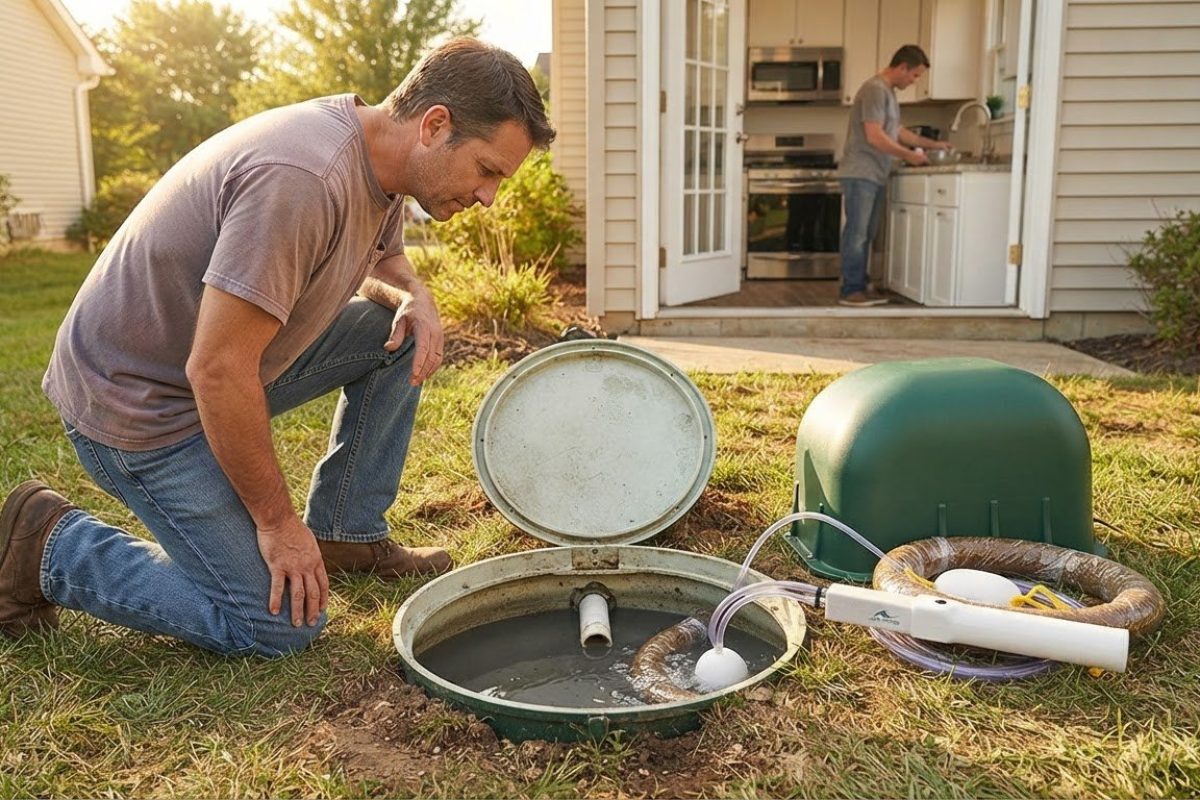
Another pump-out may not be the answer. If your septic is still slow after pumping, the tank’s liquid level alone cannot show whether the system is working properly. Wastewater returns to the tank during normal use, but slow drains can signal a restriction or a problem beyond the tank.
It is reasonable to wonder whether the tank simply filled again. A tank returning to its outlet level after pumping can be normal; wastewater backing up toward the house is not. Pumping removes accumulated solids, but it does not clear a blocked pipe, repair a damaged line, or help a struggling drainfield accept wastewater faster.
This guide explains when another pump-out may help, what else can keep drains slow, and how heavy water use can stress the system. You will learn what pumping can and cannot fix, and why symptoms affecting several fixtures deserve attention. Match the timing and pattern of the slowdown to its likely cause instead of repeating a temporary fix.
Key Takeaways
- A tank returning to its outlet level after pumping can be normal; a backup toward the house is a warning that needs attention.
- Slow drains in several fixtures may point to a shared system issue, while one slow fixture can have a localized cause.
- Reducing unnecessary water use can ease the load on your septic system while you determine what is causing the slowdown.
- Pumping removes accumulated solids, but it won’t clear a blocked pipe or fix a drainfield problem; learn where aerobic treatment may fit.
Does a full septic tank mean I need it pumped again?
Not necessarily: household wastewater returns to a recently pumped tank during normal use. A quick backup may point to a flow restriction, not a tank that needs another pump-out.
Why Quick Backups Are Unlikely to Come From the Tank
A pump-out removes accumulated solids, but it does not address every cause of poor flow. Solids settle while liquid moves through the septic tank toward the drainfield. If a backup returns the same day or within a few days, a restriction between the house and tank, an inlet problem, or another house-side blockage may be responsible. Another pump-out may temporarily add capacity without resolving the restriction.
Blocked Lines and Outlet Components
A blocked wastewater line or restricted tank component can slow flow even after pumping. Buildup, roots, or damage may obstruct the line between the house and tank. At the tank, baffles and an effluent filter can affect flow toward the drainfield, depending on the system design. If one fixture is slow, a local pipe clog may be involved; if several fixtures are affected, consider a shared system restriction.
Interpreting a Full Tank After Pumping
A tank returning to its outlet level after pumping is normal, but backing up above the outlet or toward the house is not. The liquid level alone cannot show whether the system is working properly. The septic tank separates solids from wastewater: settled solids build up over time, while liquid continues through the system. Pumping removes solids, but a full-looking tank does not prove it needs another pump-out. Record when the tank was pumped and how quickly symptoms returned.
Why are my drains still slow after septic pumping?
Slow drainage can persist when a pipe, pump, or drainfield restricts wastewater flow. Repair and drainfield permit requirements depend on local rules and the work involved, so check with your county or health department before work begins.
Expected Drainage Changes After Pumping
If the tank was causing sluggish flow, drainage should improve the same day after pumping. If several fixtures remain slow, arrange an evaluation instead of assuming another pump-out will help. Note which drains are affected, when symptoms returned, and whether wastewater is surfacing outdoors. These details can help focus an assessment on a shared line, pump, or drainfield.
Repair costs depend on the component involved.
Soil Conditions and Drainfield Performance
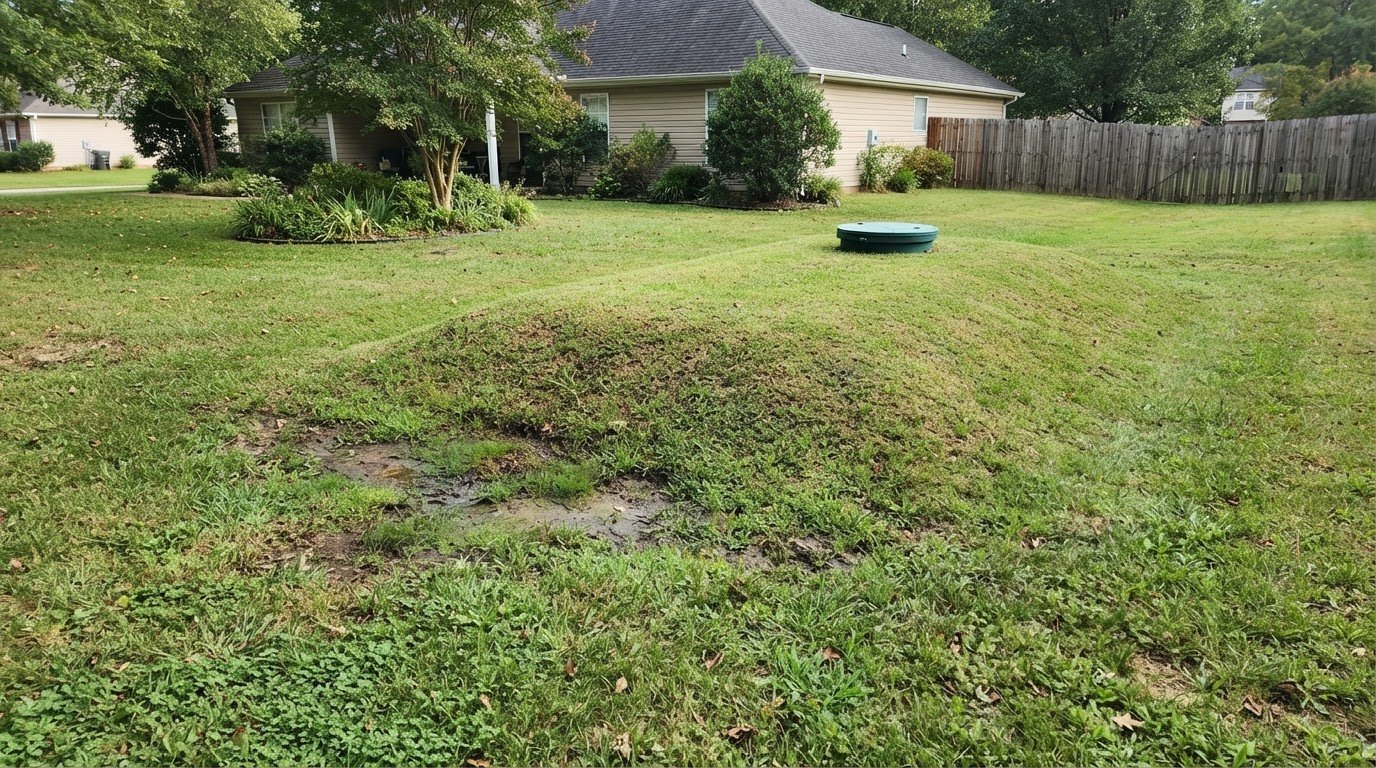
Soil conditions affect how readily a drainfield disperses effluent. Dense or poorly draining soil can limit water movement, while saturated ground may indicate the field is struggling to accept more wastewater. Soggy ground, surfacing wastewater, and yard odors are signs to investigate. Soil type alone does not establish failure; symptoms and system performance matter too.
According to the U.S. Environmental Protection Agency, a septic-system assessment can test the drainfield for 15-20 minutes and check for sluggish flow from the tank to the drainfield, surface breakouts, and straight-pipe discharges. Random chemical drain cleaners don’t identify the cause or fix roots, damaged pipes, or a failing pump.
Could excessive household water use be contributing?
Yes. Water-heavy routines can send wastewater into the system faster than the drainfield disperses it. A typical household sends a few hundred gallons to the septic tank each day.
Household Water Use and Septic Load
Every shower, toilet flush, dishwasher cycle, and laundry load adds wastewater to the household flow. Several water-intensive tasks close together can create a short-term surge, even when daily use is otherwise typical. That extra hydraulic load gives the tank and drainfield less time to process incoming wastewater.
Spread laundry across different days, avoid running several loads back-to-back, and reduce unnecessary water use while symptoms are being assessed. These changes can lower incoming volume, but they will not repair a damaged pipe or restore a physically impaired drainfield. Note whether heavy use reliably precedes the slowdown.
Plumbing Problems and Slow Drains
A house-side plumbing problem can add water continuously without an obvious change in routine. For example, a toilet that keeps refilling or a steadily dripping faucet sends extra water toward the septic tank. Listen for ongoing flow and note whether the slowdown follows laundry, long showers, or another high-use period.
Compare the household’s routine with when symptoms appear. If drains worsen after unusually heavy use, reduce that load and record the pattern for the septic evaluation. If water use has been steady but drainage changes, plumbing restrictions or system performance may need closer attention. This helps explain whether household flow is adding stress or merely coinciding with the problem.

What septic pumping does and does not fix
Pumping has a role in routine septic system maintenance, but the pattern of pump-outs matters. A tank serviced on a regular schedule is different from one suddenly needing attention much more often. Track the dates and reasons for each visit; that history can reveal a change in system performance.
A sudden shift from pumping every few years to every few months may signal a developing downstream problem. Another pump-out can remove the tank contents without explaining why the service interval changed. Treat the shorter cycle as evidence to investigate, not a new normal to accept without asking why.
When discussing the system with a septic service company, share the pump-out history and any changes in household use or occupancy. These details put the latest visit in context. A household with changed water-use habits may place a different load on the system, while an unexplained change in pumping frequency calls for a broader assessment.
Use pumping records to guide decisions, not as the only measure of system health. If pump-outs are becoming more frequent, have the underlying cause assessed before setting another routine visit. This helps avoid treating a changing symptom as though it were simply a maintenance schedule.
Aero-Stream
Aero-Stream offers septic remediation products for homeowners whose pump-out removed solids but did not address treatment performance. The right next step depends on what remains slow: a line blockage, failed mechanical part, or treatment issue in the tank and drainfield each requires a different response. Aero-Stream products support septic-system restoration and maintenance, but do not diagnose or repair physical obstructions.
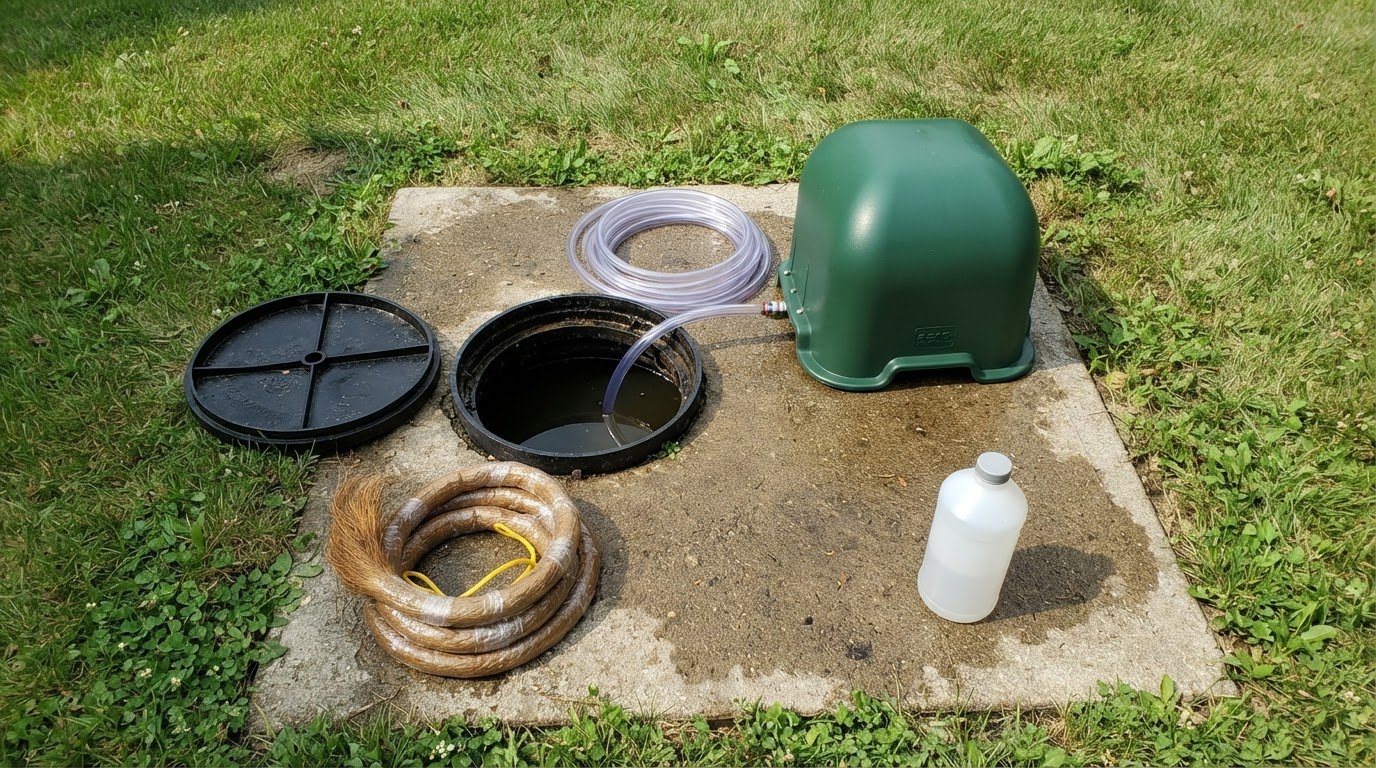
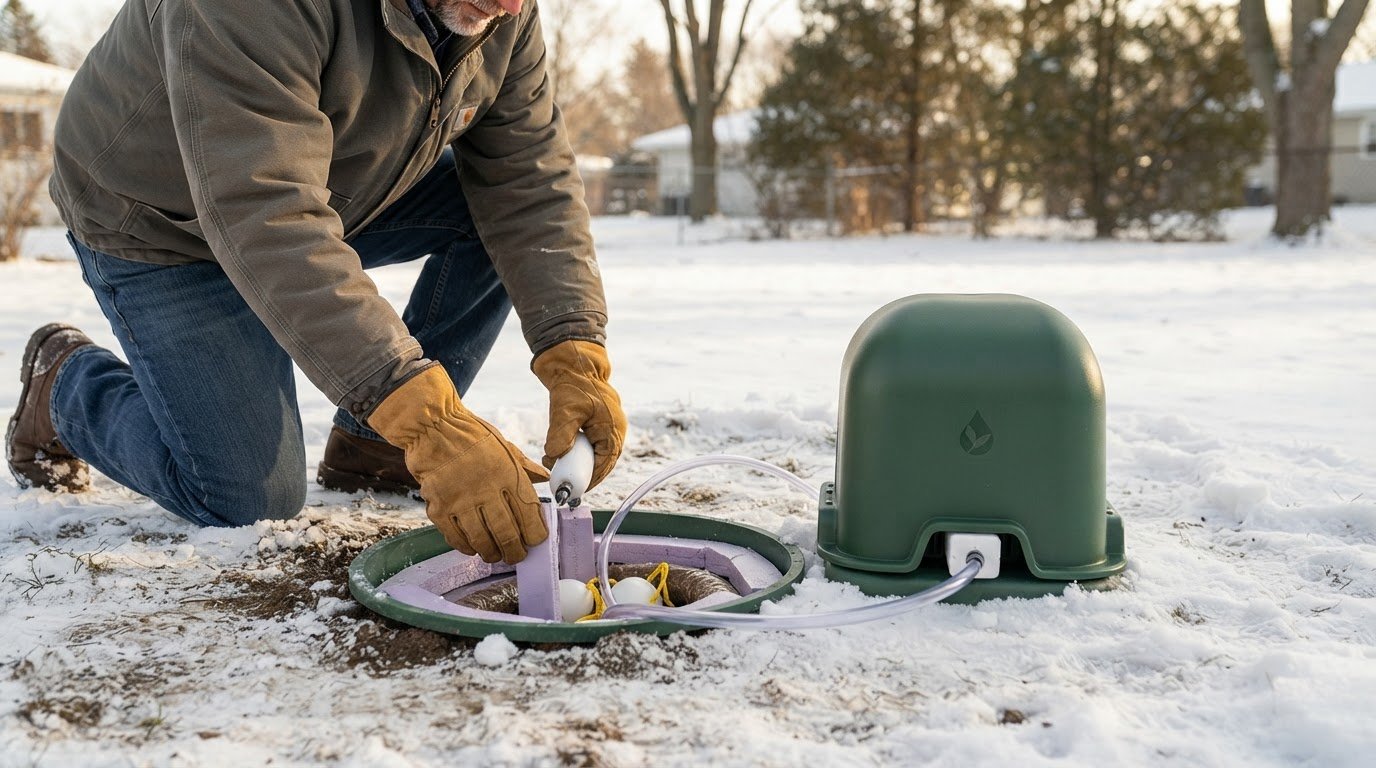
Aero-Stream’s Patented Controlled Septic Aeration Process adds oxygen to wastewater, supporting aerobic bacteria that break down waste. Unlike pumping, which removes accumulated solids, aeration changes the biological treatment conditions. If poor effluent quality or bio-mat concerns are part of the problem, controlled aeration may be relevant; it cannot clear roots or repair a crushed pipe.
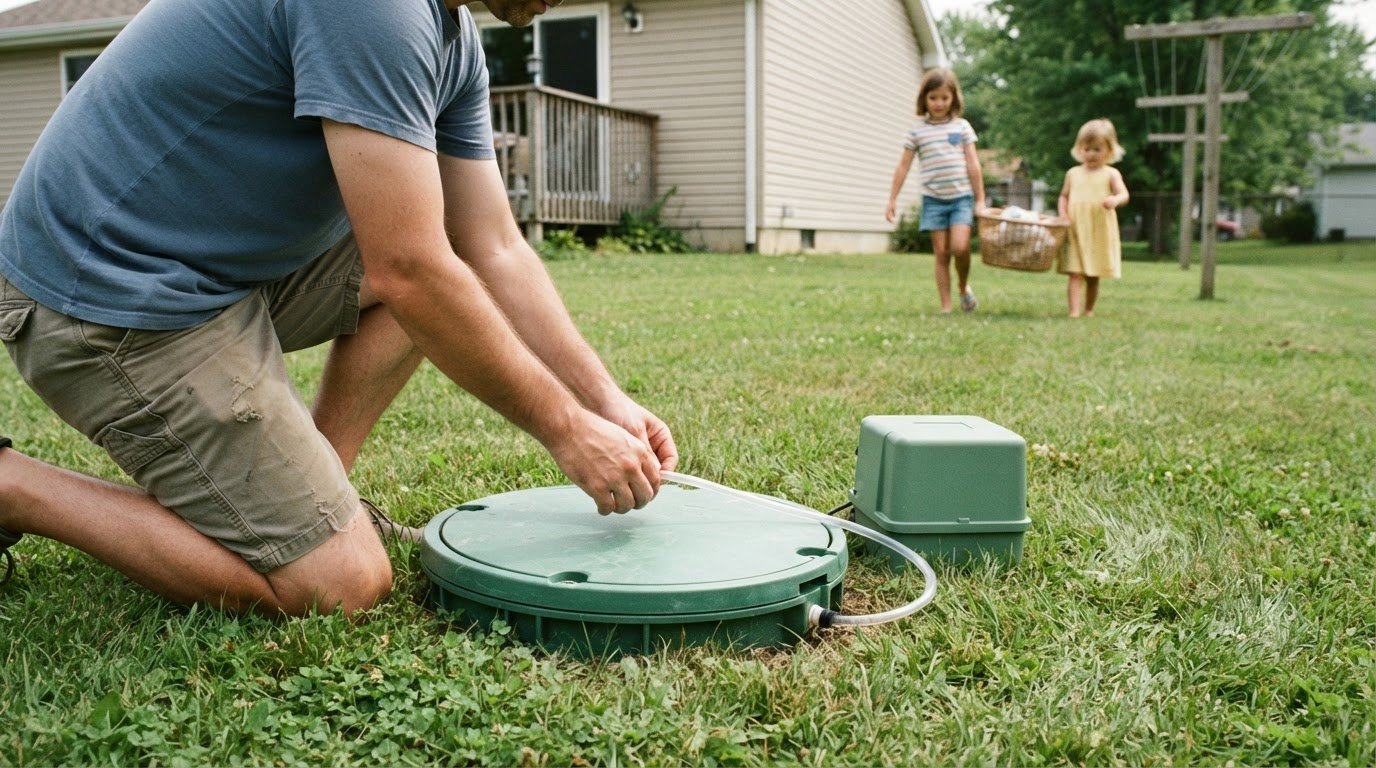
Aero-Stream’s offerings include Residential Remediator® Kits, Eco-Nest™ NSF/ANSI 40 Systems, Bio-Brush®, and Septic Tank Air Pumps. These options represent remediation equipment and system components, rather than a repeat pump-out. An air pump supplies air for aerobic treatment; Bio-Brush® is offered as media, while the kits and Eco-Nest systems are designed to restore and maintain septic systems.
Match the solution to the diagnosed issue. If several drains are slow because a line is clogged, an aeration product will not remove the blockage. If an assessment points to treatment performance, a remediation system may be relevant instead of assuming the tank needs another pump-out. Mechanical damage and biological treatment issues need different responses.
Contact Aero-Stream to discuss its septic remediation products and how they relate to your system’s diagnosed needs.
Choose a Next Step That Fits the Cause
If your septic is still slow after pumping, use the symptoms and timing to guide your next step. Record when drainage changed, which fixtures are affected, and whether the problem follows heavy water use. That information can help clarify what the system needs.
Aero-Stream focuses on septic remediation products. If you’re considering a treatment approach, first separate that need from issues requiring physical repair. Contact Aero-Stream to discuss whether its septic solutions relate to your situation.
Contact Aero-Stream about septic help and take the next step with a clearer understanding of the problem.
Frequently Asked Questions
Septic Problems After Pumping: Why Is My Tank Filling Up Again?
A tank begins receiving household wastewater as soon as normal use resumes, so seeing liquid return after pumping is expected. A 1,000-1,500-gallon septic tank can take about a week to fill with water, though it may reach its operational level within a few days. The tank’s liquid level alone can’t show whether wastewater is moving through the system properly.
Can a bad drainfield make a septic tank fill back up?
Yes, a drainfield that is not accepting wastewater normally can contribute to backups after pumping. The tank sends effluent to the drainfield, where suitable soil disperses it. If that flow is restricted, wastewater may have nowhere to go and symptoms can return. The issue is poor downstream movement, not simply a tank that quickly filled through household use.
When should I call for septic repair instead of pumping?
Arrange an evaluation when backups return soon after a pump-out, several fixtures slow down, or sewage appears in the yard. If your septic is still slow after pumping, note when it was pumped and how soon symptoms returned. That timeline can help distinguish a recurring solids-maintenance need from a problem involving pipes, a pump, or the drainfield.
Does One Slow Drain or Multiple Slow Drains Matter More?
Multiple slow fixtures point more strongly to a shared wastewater-flow problem than to one isolated drain. For example, a slow kitchen sink with normal bathroom drainage may involve that fixture’s plumbing branch. If toilets and sinks in separate parts of the house are also sluggish, the issue may be farther along the system. Record exactly which fixtures are affected.
How Do You Find Out What’s Causing the Problem?
The investigation should follow the symptom pattern rather than assume every slow drain needs the same test. A camera inspection can help locate buildup, root intrusion, or damaged piping, but it is not automatically needed in every case. The timing of backups, affected fixtures, and any sewage outdoors can guide which part of the system needs closer assessment.
How do I know if my drainfield is failing?
Persistent soggy ground above the drainfield, surfacing wastewater, or sewage odors outdoors can indicate poor field performance. These signs deserve attention, especially alongside repeated backups. A partly failed field may still have repair options, but continued overloading can worsen the damage. Reduce unnecessary water use while the cause is being evaluated.