
When sewage backs up from a septic system, common causes include a blocked pipe, a full tank, heavy household water use, or a drainfield that can’t absorb wastewater. If only one fixture is affected and other drains work normally, the blockage is more likely in that fixture’s pipe. If several drains back up, the problem may involve the main outflow pipe or septic system.
The signs can be alarming: slow drains, gurgling, foul odors, or sewage where it shouldn’t be. Take them seriously. Sewage creates a health risk, so keep children and pets away from affected areas and avoid direct contact.
This guide explains common causes of backups, how symptoms can help distinguish a localized clog from a system-wide problem, and what to do while arranging help. You’ll also learn why reducing water use matters and when aerobic treatment products may be relevant, such as when the issue involves system performance rather than a blocked fixture.
Key Takeaways
- Use where sewage appears and which drains are affected to narrow down whether the issue is local or system-wide.
- Learn what sewage surfacing near the tank or drainfield may signal, and why the area needs careful handling.
- Reduce water use during a suspected backup to limit extra strain while the cause is addressed.
- Understand how aerobic treatment products may support septic system performance when a fixture-level clog isn’t the problem.
1. What Causes Septic Tank Backups?
When troubleshooting a septic system for sewage backup, start by noting where wastewater appears. A blockage, excess household water, or a drainfield that cannot absorb wastewater may interrupt flow. Diapers, wet wipes, and feminine hygiene products can obstruct pipes or collect in the septic tank. A localized clog may instead come from grease, wipes, or debris in one fixture’s pipe.
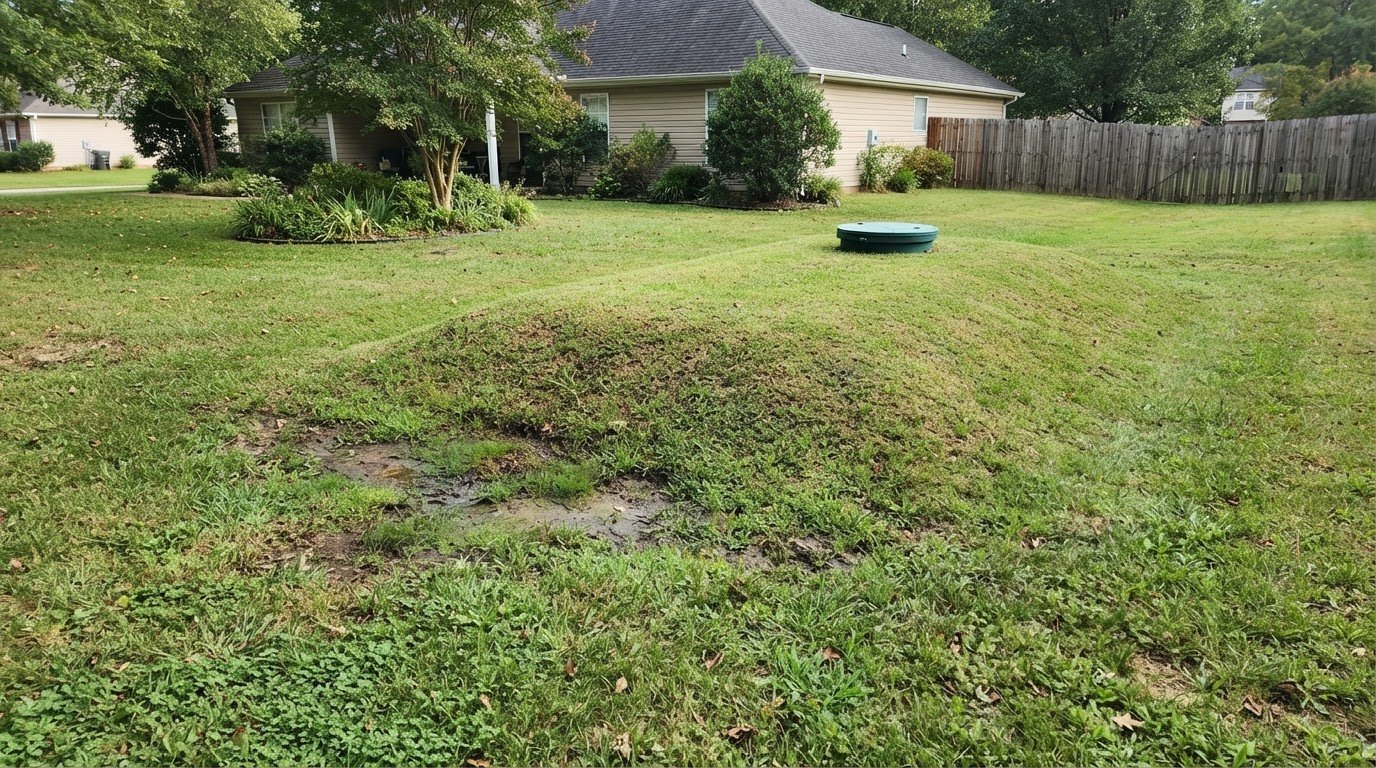
Heavy rainfall can saturate soil around a drainfield and slow wastewater absorption. If the field cannot take in effluent, sewage may surface near the septic tank or drainfield, or back up indoors. A broken pipe, overloaded tank, or failing field can also leave wet, foul-smelling ground. Keep vehicles and heavy equipment off the drainfield to avoid compacting the soil.
Protect kitchen drains, too. Turkey grease and food scraps can contribute to clogs. Catch scraps in the sink strainer and put them in the garbage instead of using a garbage disposal. Flush only human waste and septic-safe toilet paper.
To locate your septic tank and drainfield, check property records or a system diagram, then look for visible access lids or septic tank risers. Don’t dig blindly, since you could damage buried components. Note where odors or wet ground appear in relation to the system. Their location can help narrow down the cause.
If you’re assessing a septic system for sewage backup, repair costs depend on the cause and scope. Clearing a localized obstruction differs from repairing a damaged pipe or replacing a drainfield. The work required and the condition of the components determine the cost.
Sewage can expose you to harmful contamination. Keep children and pets away, avoid direct contact, and don’t clean affected areas without protective gloves and clothing. Don’t cover or clear sewage surfacing near a septic tank or drainfield.
Homeowners insurance coverage depends on the policy wording and the cause of the backup. Review the policy’s water-damage terms and exclusions to understand how they apply to the event.
2. Signs of a blocked main outflow pipe or full septic tank
Look for a pattern, not just one slow toilet. If several drains gurgle, empty slowly, or send wastewater back into sinks or tubs, a blockage in the main outflow pipe or a full Septic Tank may be involved. Unpleasant odors near drains or the tank, plus wet ground around the system, add warning signs. When multiple rooms are affected, stop using water and arrange prompt professional attention.
Tank capacity and household demand both matter. A Septic Tank with a capacity of less than 1,000 gallons is at higher risk of backup during excess water use. Laundry, showers, and appliances running close together can send more wastewater into the tank than the system can manage at that time.
According to the U.S. Environmental Protection Agency, septic tanks typically need pumping every 3 to 5 years, with the ideal frequency depending on household size and usage. That interval is a guide, not a diagnosis: sludge accumulation, tank capacity, and household water use affect when service is needed. Pumping doesn’t clear every blockage or fix a failing drain field, so recurring backups call for investigation of the underlying cause.
Keep maintenance on schedule. A professional annual check-up can monitor sludge levels and reveal a developing problem before sewage backs up. If guests are arriving, plan pumping at least one week beforehand, rather than waiting until extra showers and toilet use strain the system.
Note when symptoms begin and which rooms are affected. A backup after several appliances run may point to excess water demand; persistent trouble across multiple drains may indicate a main-line or tank issue. Don’t keep flushing to test the system. Record the signs and reduce water use while arranging help.
Clear identification of the tank access point supports inspection and maintenance; Septic Tank risers are one available access component.

3. Limit water use during periods of heavy household use
Every shower, flush, laundry load, and dishwasher cycle sends wastewater toward your septic tank. When several water-heavy activities happen close together, the extra flow can strain the system, especially if drainage is already slow. Spread showers, laundry, and dishwashing across the week instead of running appliances back-to-back. This reduces peaks in household water use rather than sending a large surge through the system at once.
Before overnight guests arrive, do laundry earlier and postpone extra loads while they’re staying. Ask everyone in the household to avoid unnecessary flushing and long showers. A full house adds wastewater through routine toilet use, cooking, and cleaning; spacing those activities helps manage excess flow. These measures support normal operation, but they won’t clear a blockage or repair a damaged component.
If sewage is backing up from one fixture, stop using it and avoid running connected taps or appliances while waiting for help. If multiple rooms are affected, or sewage has surfaced near the septic system, stop all water use in the home. Don’t run a washing machine to test the situation. Continued inflow can worsen an active backup and spread contaminated wastewater.
Private well testing also matters when an old Septic Tank is nearby, particularly if the tank is more than 20 years old. Test well water regularly, and have a professional assess results showing elevated nitrates or coliform bacteria, which may indicate septic effluent contamination. Don’t assume clear water is safe based on appearance alone; nitrate and coliform results provide specific signs that need proper interpretation.
Once the immediate backup is addressed, track water-heavy tasks for several days. Note when laundry, showers, and dishwashing occur, and whether slow drains return after clustered use. That pattern can help identify whether household demand is adding strain or a persistent system problem needs attention. Keep water use measured until normal drainage resumes.
4. Distinguishing a single-fixture blockage from a septic-system backup
Start by checking how many fixtures are affected. If one toilet backs up while nearby sinks and showers drain normally, the obstruction is more likely in that toilet’s branch pipe. A slow kitchen sink with normal bathroom drains also points to a localized clog. Grease, wipes, or debris may block one line without indicating septic-system failure.
When evaluating a septic system for sewage backup, look for symptoms across rooms. Several fixtures that gurgle, drain slowly, or back up together may share a restriction in the main line or septic system. For example, if flushing a toilet sends water into a nearby tub, the problem likely extends beyond one fixture. Laundry that triggers a floor-drain backup is another useful clue.
Make only a cautious observation. Stop using the affected fixture and see whether other drains continue working normally. Don’t keep flushing, run a garbage disposal, or pour chemical cleaners into the pipe; these products can harm beneficial bacteria in the tank. If symptoms spread to more rooms, stop household water use and seek prompt professional attention.
When arranging septic service, describe which fixtures are affected and what activity preceded the trouble. Note whether flushing changes another drain, or whether laundry or dishwasher use coincided with the backup. Those details help distinguish a branch-line blockage from a system-wide issue. If a clog returns after cleaning, the underlying cause may still need diagnosis.
Permit and inspection requirements vary by state and county. Rules depend on the repair and local requirements, particularly when work changes septic components or affects a drainfield. Confirm applicable requirements with the local permitting authority before work begins.
A septic system for sewage backup needs a response matched to the affected area: one fixture with normal nearby drains suggests a local clog, while several affected fixtures point to a broader problem. Keep people away from sewage and contaminated areas until cleanup is complete.
Aero-Stream: Eco-Nest™ NSF/ANSI 40 Systems
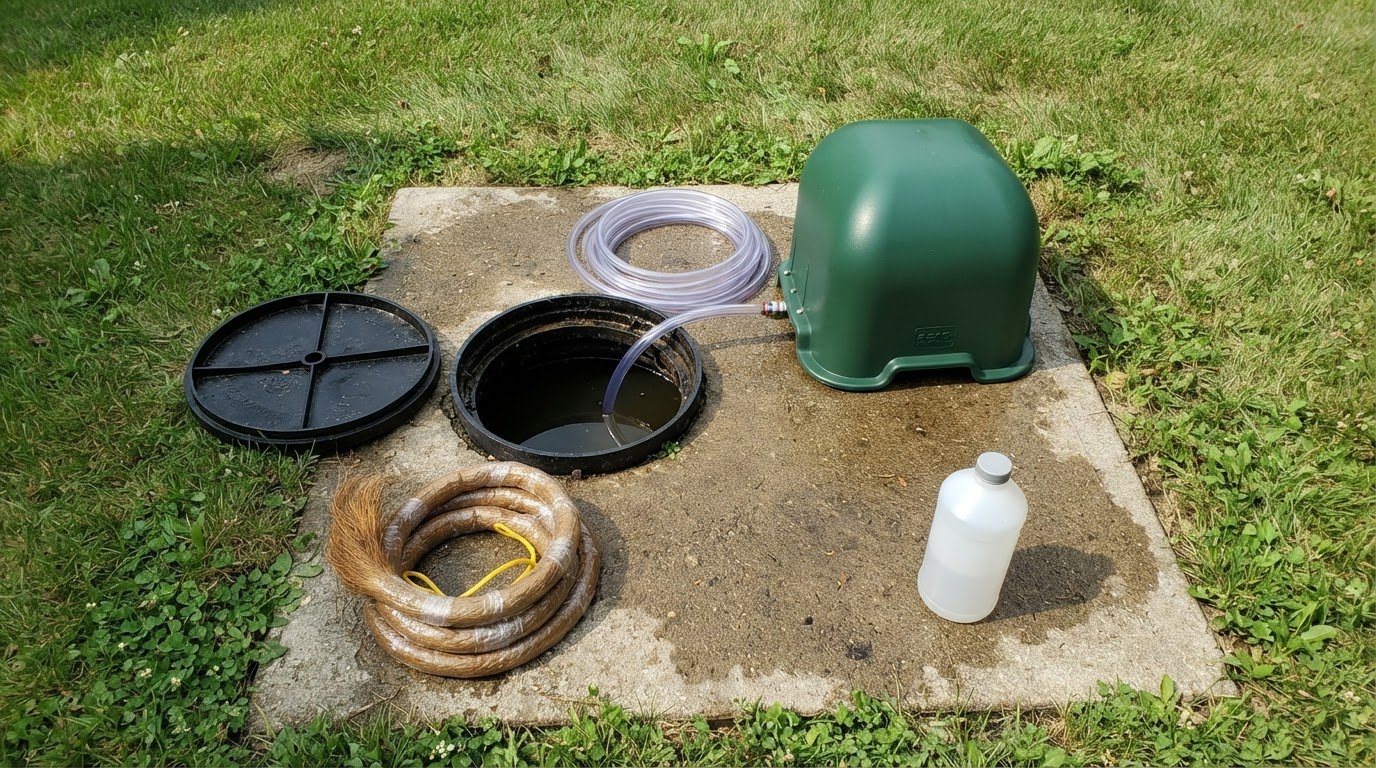
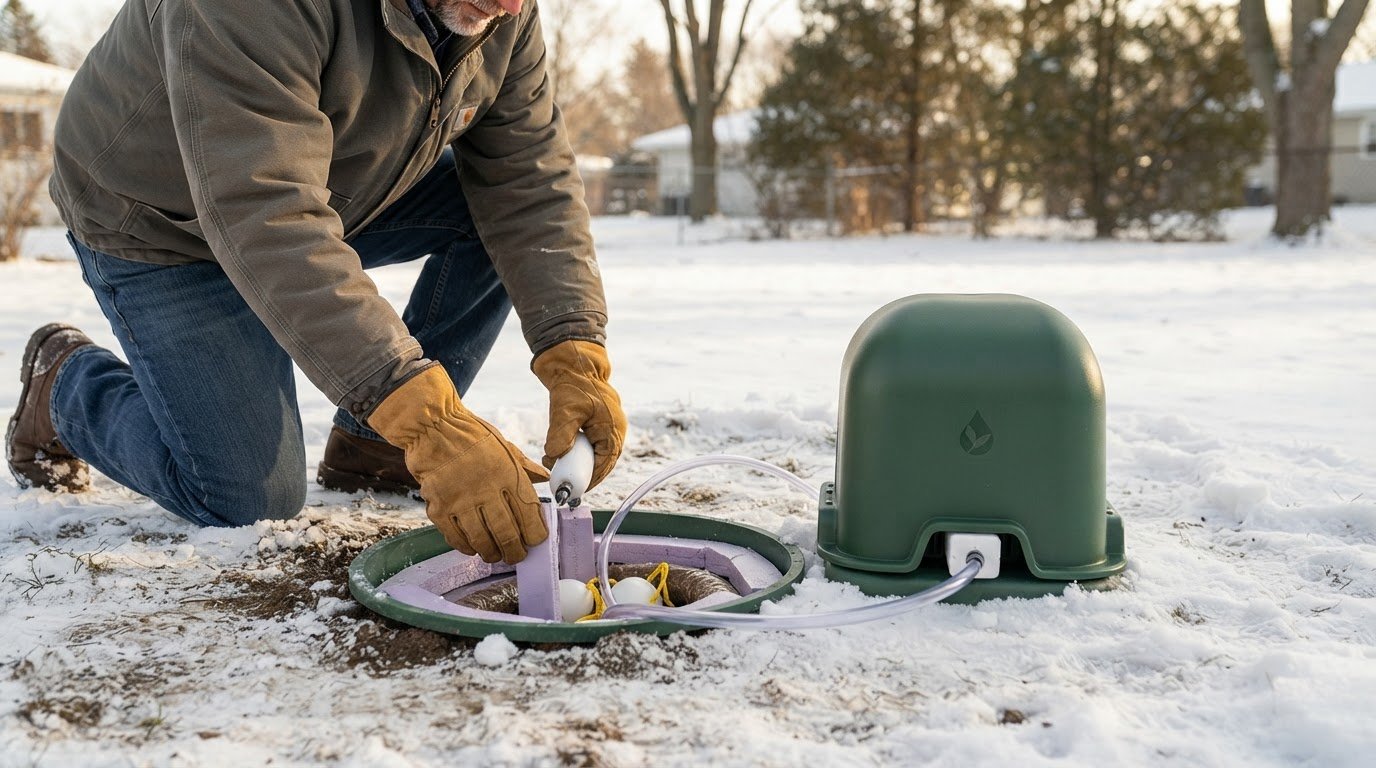
Aero-Stream’s Eco-Nest™ NSF/ANSI 40 Systems are designed for septic treatment needs, not a blocked fixture pipe. If the symptoms point to a system-performance issue rather than a localized clog, these systems may be relevant to restoring and maintaining treatment. Septic Tank Air Pumps add air to wastewater, supporting aerobic bacteria that break down waste.
A backup needs the right diagnosis first. A product that supports treatment won’t clear a pipe obstruction, repair damaged components, or resolve every drainfield problem. Match the next step to the cause: address a fixture-level blockage as a plumbing issue, and consider treatment equipment when system performance is the concern.
If you’re assessing treatment options for your septic system, contact Aero-Stream to discuss your situation.
Choose a next step that fits your system
Once you’ve identified whether the issue is local or system-wide, focus on what the system needs next. A fixture clog calls for a different response than a treatment-performance concern, and the right equipment depends on the system’s condition and treatment goals. For sewage backup in a septic system, matching the solution to the cause helps avoid treating the wrong problem.
Aero-Stream offers Residential Remediator® Kits and Bio-Brush® for septic system restoration and maintenance. These products are not substitutes for clearing a blocked fixture pipe, but may be relevant when the concern is the system’s treatment performance. Describe what you’ve observed to Aero-Stream to discuss which product fits your needs.
Contact Aero-Stream to discuss your septic system. A clear, cause-focused conversation can help you move toward a practical next step.
Frequently Asked Questions
What Causes Septic Tank Backups?
Backups happen when wastewater cannot move through the system or leave it effectively. Besides clogs and heavy water use, tree roots can enter pipes, while aging or damaged components can restrict flow. Incorrect installation or a system sized too small for the household can also make backups more likely. Soil compaction can reduce drainfield performance, so keep vehicles and heavy equipment away from the area.
What Can You Do?
First, determine whether the problem affects one fixture or several, then note when it began and what happened beforehand. For example, record whether symptoms followed heavy rain, a gathering, or frequent laundry use. Keep people away from sewage and avoid chemical drain cleaners. These observations can help distinguish a local obstruction from a larger system concern.
What causes sewage to back up in a septic system?
Sewage backs up when a restriction or system failure prevents wastewater from flowing onward. Root intrusion can narrow or damage pipes, while a failing drainfield may no longer absorb effluent effectively. Soil compaction can also interfere with absorption. The pattern offers clues: a single affected fixture points toward a local pipe, while multiple affected fixtures suggest a shared line or system problem.
What should you do immediately during a septic sewage backup?
Stop adding wastewater to the affected plumbing, keep children and pets away, and avoid touching sewage or contaminated water. Don’t attempt repairs or cleanup without protective gloves and clothing. If sewage affects multiple rooms, treat the situation as urgent and arrange professional attention. If sewage surfaces outdoors, keep people away rather than covering or disturbing it.
How can you prevent future septic backups?
Protect the system from avoidable strain and physical damage. Keep vehicles and construction equipment off the drainfield, and plant trees away from septic pipes to reduce the risk of root intrusion. Flush only human waste and septic-safe toilet paper. In the kitchen, catch food scraps in the sink strainer and put them in the garbage instead of relying on a disposal.