Can you charge a tenant for septic failure, or are you responsible for repairs as the landlord? Across the country, septic maintenance for rental property owners generally means arranging routine care and keeping the system functional. A tenant may be responsible for damage caused by misuse. The cause matters, as does the difference between neglected maintenance and tenant-caused damage.
You’re right to take the question seriously: a backup, slow drain, or sewage odor can signal a problem that needs prompt attention. This article explains how inspections, filter cleaning, and pumping needs fit into a rental-property maintenance plan, and what standard landlord-tenant responsibilities mean when costs arise.
You’ll also learn how occupancy and system condition affect pumping schedules, which warning signs tenants should report, and how clear use guidelines can help prevent avoidable problems. Backed by solutions from Aero-Stream, the goal is a practical way to protect the property, respond quickly, and make more informed decisions about who pays.
Key Takeaways
- Build a routine for inspections and filter cleaning, and act promptly when warning signs appear.
- Use seasonal checks and tenant changeovers to reinforce system-care guidance and catch developing issues.
- Set pumping schedules around occupancy, tank capacity, and accumulated solids rather than relying on a one-size-fits-all interval.
- In California, distinguish ordinary maintenance responsibilities from damage tied to tenant misuse before deciding who bears repair costs.
1. Annual filter cleaning and inspections
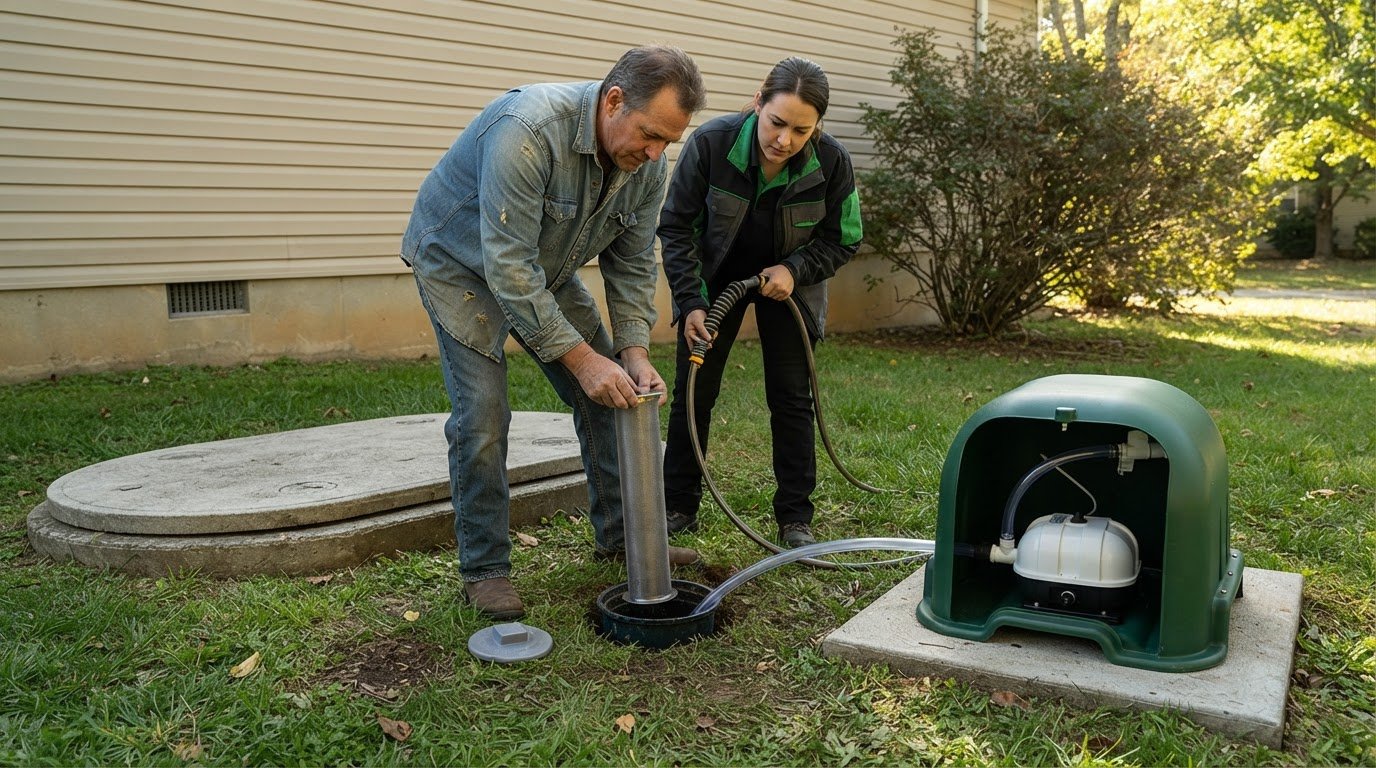
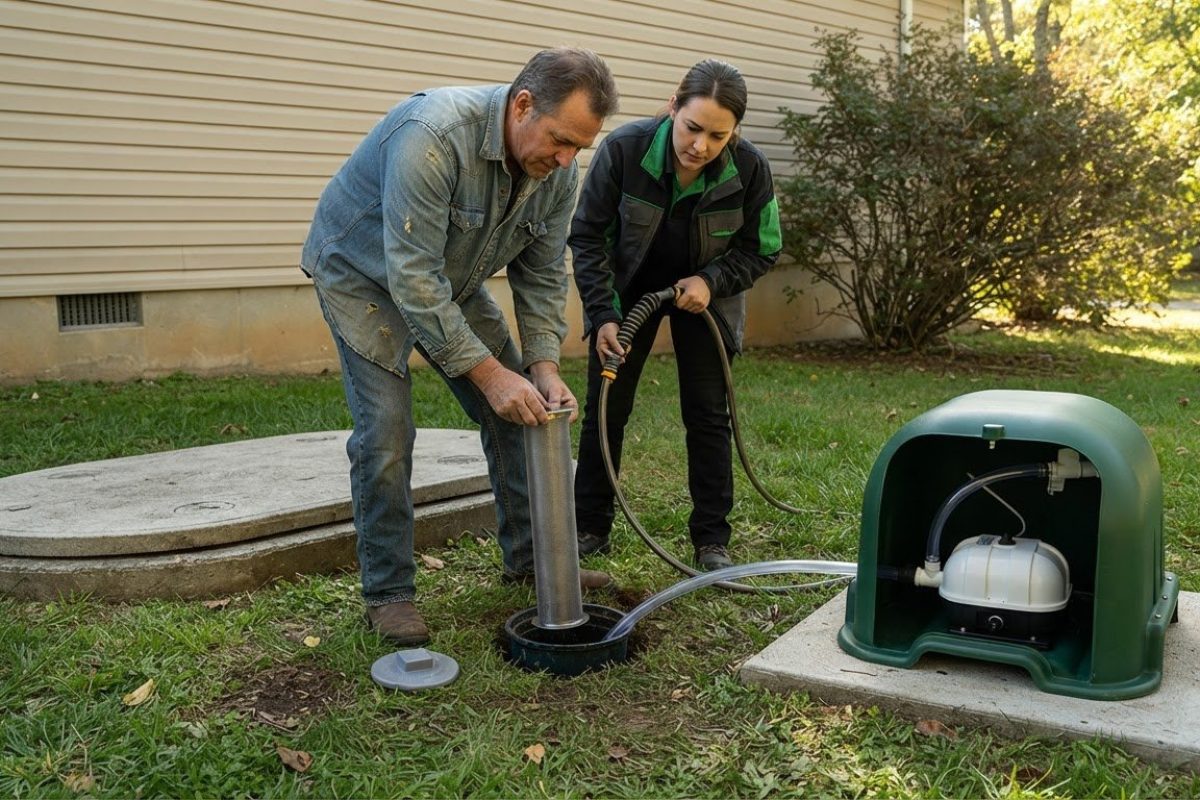
Set a routine maintenance schedule for every rental property with a septic system. A documented annual plan makes septic maintenance for rental property owners easier to track across units. Arrange professional effluent filter cleaning annually, and record the service date and findings. A clogged filter can restrict wastewater leaving the septic tank, affecting plumbing and the drainfield.
How often should septic tanks at rental properties be inspected and pumped? Schedule quarterly visual inspections and annual professional filter cleaning. Pumping depends on tank capacity, occupancy, wastewater volume, and accumulated scum and sludge. Use inspection findings to guide the schedule.
At each visual check, look for slow drains, gurgling, sewage odors, or unusually wet ground near the drainfield. Note new symptoms and arrange an inspection if they persist or return. When the tank is pumped, arrange an inspection at the same time and discuss the findings with the service provider. This connects service records to the system’s condition.
System design also affects inspection needs. The U.S. Environmental Protection Agency identifies at least 10 types of septic system designs and configurations. A property’s tank, filters, pumps, and dispersal area may differ from a neighboring home’s setup. Keep available system records accessible so the inspection covers the right components. Clear records are a practical part of septic maintenance for rental property owners because they connect the system’s history with current findings.
How can landlords find a licensed septic service provider and verify credentials? Start with the state or local licensing, health, or environmental agency, since requirements vary by location. Compare the provider’s license or registration details with the issuing agency’s records. Request a written inspection report that identifies observed conditions and recommended maintenance.
Use the report to track changes, not just completed work. Repeated backups, persistent odors, or wastewater surfacing need prompt attention. A dated routine helps you spot developing problems and plan maintenance before a minor issue disrupts a rental.
2. What Should Landlords Know About Septic Systems?
Seasonal conditions can affect how a septic system handles wastewater. Heavy rain, flooding, blizzards, and snowstorms can overburden the leach field, while freezing temperatures may affect system performance. Before wet or freezing weather, review the property’s maintenance records, check for plumbing leaks, and make sure tenants know how to report slow drains or alarms. A leak can send excess water into the system and drainage area.
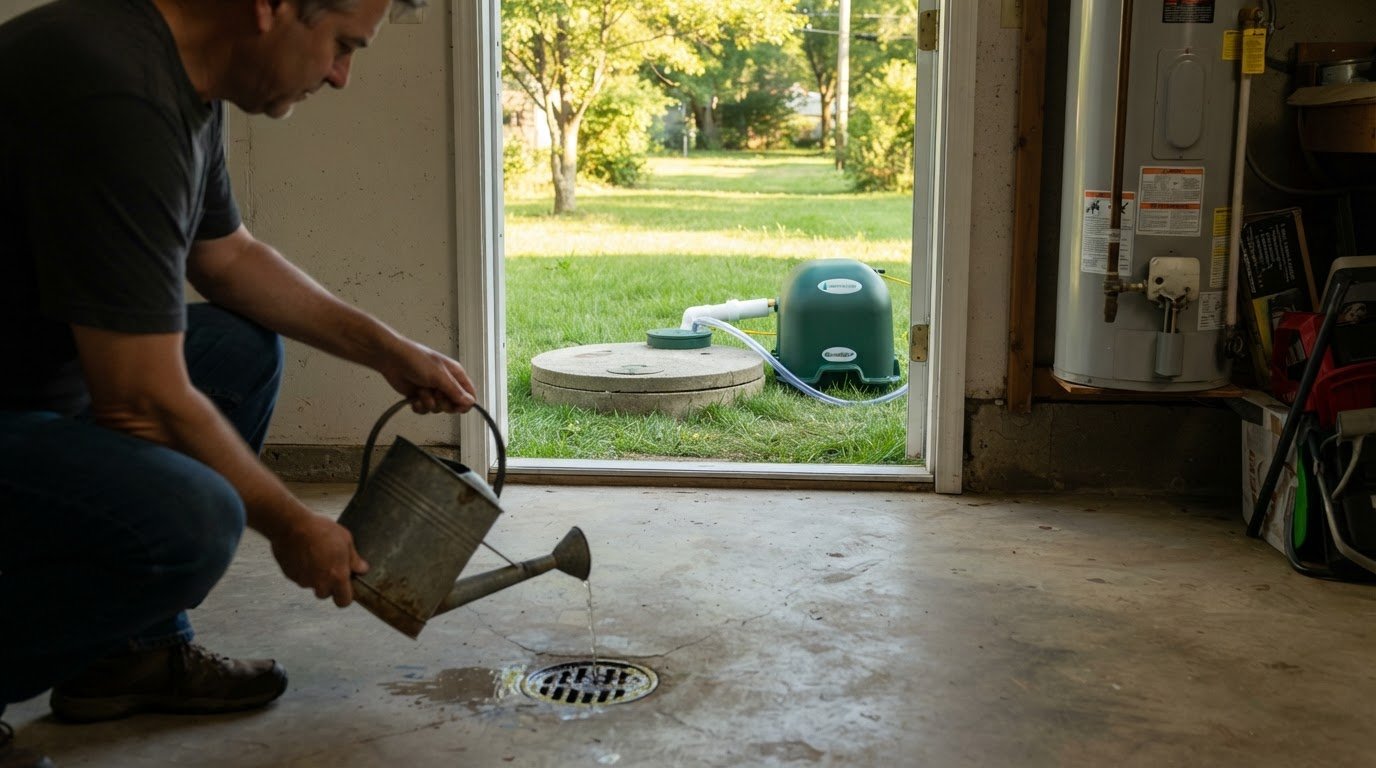
Use tenant changeovers to reset expectations. Tell incoming tenants that the property has a septic system, give them basic care instructions, and identify warning signs to report. Ask them to report alarms or slow drains within 24 hours. During the move-in walkthrough, explain which fixtures connect to the system and where wastewater surfacing or unusual odors should be reported.
Daily habits matter. Fats and grease can contribute to clogs, while paper towels, sanitary napkins, and diapers belong in the trash, not the toilet. Keep paint, solvents, gasoline, antifreeze, medications, and insect or weed killers out of drains. Excessive harsh cleaners and chemical drain cleaners can also disrupt treatment. Ask tenants to spread laundry over the week instead of running multiple loads in one day.
If a backup or clog occurs, investigate before assigning responsibility. A blockage, overloaded tank, or drainfield problem can produce similar symptoms, so the cause matters. Keep dated tenant messages, inspection findings, invoices, and photographs of visible damage or wastewater. Record what happened, when it was reported, and what corrective work followed. These details help distinguish a maintenance issue from damage linked to misuse.
At seasonal checks, note changes in ground conditions near the leach field and any plumbing leaks. After heavy rainfall or freezing weather, take reports of slow drains, backups, or odors seriously. Clear written guidance and consistent records help tenants understand what to avoid and give you a factual basis for follow-up.
3. Pumping frequency based on occupancy and tank size
A single schedule won’t fit every rental. For a rented single-family home, pumping every 3-5 years will usually be sufficient. A household with four or five adult occupants may need pumping approximately every two years. Higher wastewater use can fill a tank sooner, so occupancy and tank capacity both matter.
Use the service history as a starting point, then adjust for actual conditions. Pumping recommendations depend on the tank’s scum and sludge thickness, capacity, wastewater volume, solids content, and retention time. A larger household can add wastewater and solids faster, while a smaller tank has less room for that load. Record occupancy changes and compare them with inspection findings.
Generic advice of three to five years may not fit a high-occupancy rental. A single-family home converted for multiple occupancies may not have enough capacity for more than one family’s wastewater. If the property’s use changes, revisit the schedule rather than relying on the previous household’s interval. Let system condition and demand guide the decision.
Separate routine inspections from pumping. Septic systems generally need routine inspection and cleaning about every three years, while pumping frequency varies with tank and use conditions. At pumping, arrange an inspection and discuss scum and sludge measurements, filter condition, and any signs of damage. Request written findings, then update the property’s maintenance log and next service date.
Pumping removes accumulated solids, but it doesn’t repair a blocked pipe, damaged component, or drainfield problem. If backups or slow drains continue after service, investigate the cause before scheduling another pump-out. Repeated pumping without addressing the underlying issue can leave the rental vulnerable to further disruption. A dated service record helps connect symptoms, occupancy, tank condition, and repairs, making the next maintenance decision more informed.

4. California landlords’ septic-system responsibilities
In California, landlords are responsible for keeping plumbing functional, including the septic system, under the Implied Warranty of Habitability. A system failure can threaten habitability, damage the property, and expose tenants to wastewater. Treat a sewage backup as a problem requiring prompt attention, not a routine tenant complaint to defer.
What septic maintenance requirements vary by state, county, or local health department? Inspection, maintenance, and permit rules can differ by jurisdiction. Wisconsin regulates septic design, installation, and management, while Dane County has stricter inspection, maintenance, and permit requirements. Check the rules that apply where the rental property is located.
California tenants may pursue rent withholding or other legal remedies when a landlord fails to maintain a septic system. That doesn’t mean every septic repair automatically belongs to the landlord: damage caused by tenant misuse may be the tenant’s responsibility. Investigate the cause, preserve inspection findings and repair records, and distinguish ordinary wear or neglected maintenance from documented misuse.
What septic system responsibilities should be included in a rental lease? Spell out that the landlord arranges routine inspections and necessary maintenance, while tenants promptly report alarms, backups, slow drains, and sewage odors. Include basic use rules, such as keeping grease, wipes, and hazardous chemicals out of drains, and explain how to report a problem. Lease language should clarify responsibilities without implying that tenants must pay for ordinary maintenance.
For each report, record the date, symptoms, response, and findings. If wastewater backs up, arrange prompt investigation and document steps taken to limit exposure and property damage. Keep inspection reports and service records with the rental file. Clear responsibilities and dated evidence help you respond responsibly and assess who caused a specific problem.
Aero-Stream
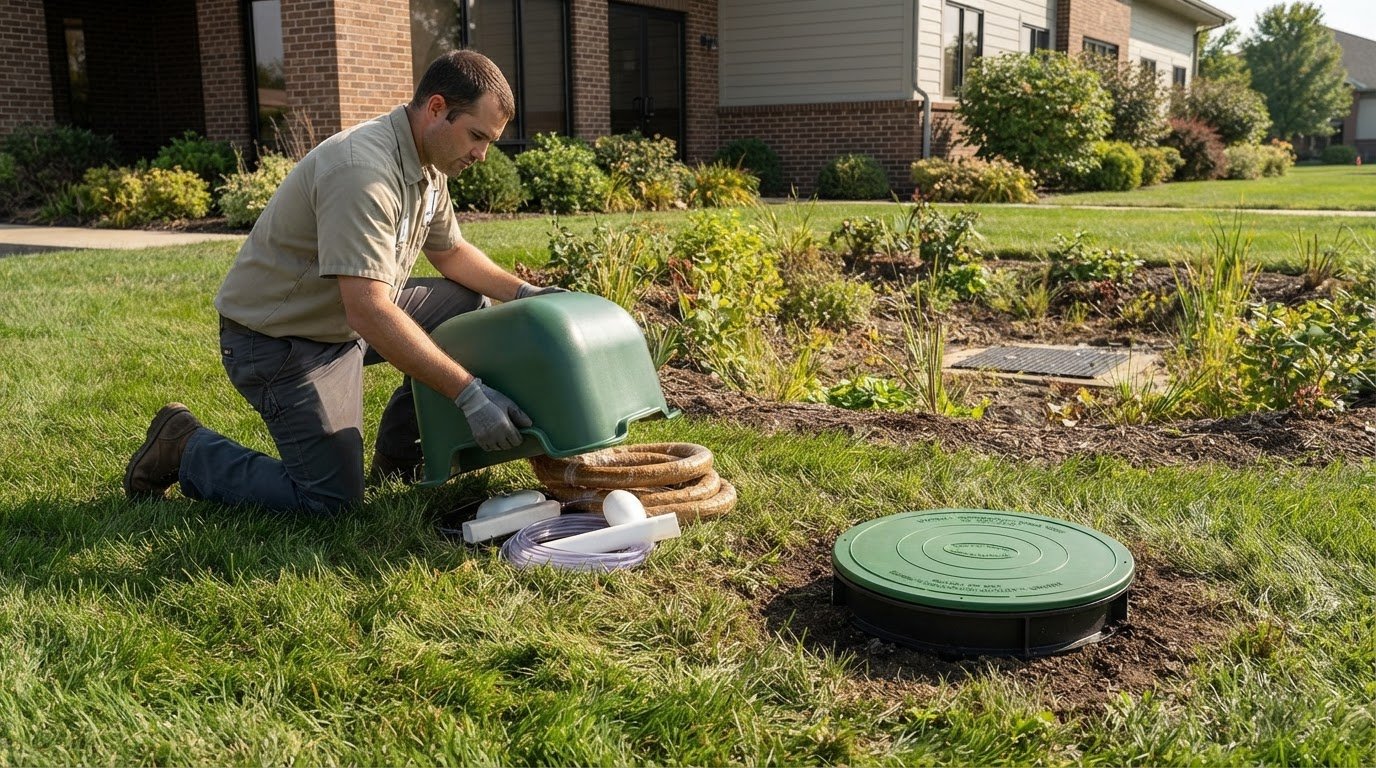
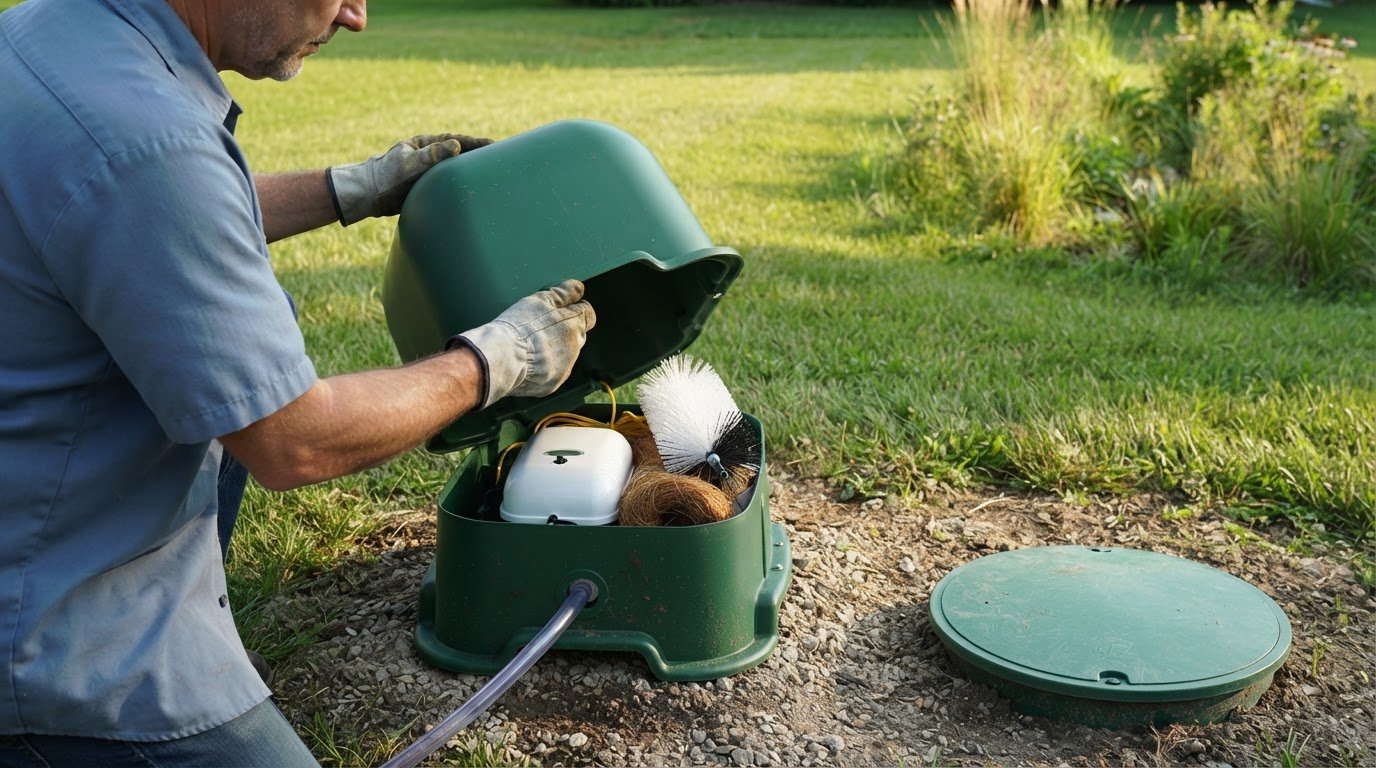
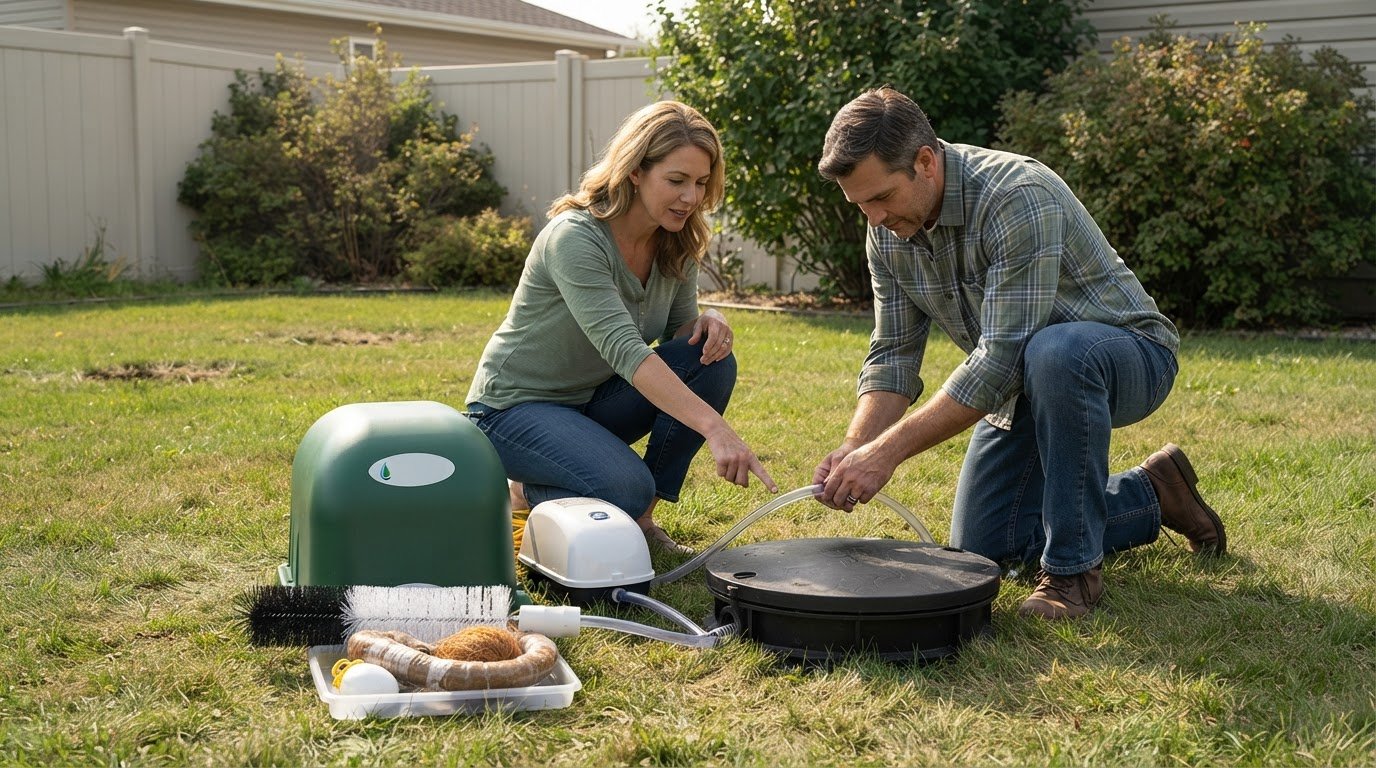
Aero-Stream offers septic-system products that can support treatment and maintenance decisions after an inspection identifies a system need. Its Eco-Nest™ NSF/ANSI 40 Systems and Residential Remediator® Kits are designed to restore and maintain septic systems. The company also supplies Bio-Brush® media and Septic Tank Air Pumps.
These options are relevant when a system’s treatment performance needs attention. Aerobic treatment introduces oxygen to support aerobic bacteria, which break down waste; the products may support effluent treatment and bio-mat management, but performance depends on the system and its condition. They don’t replace routine inspections or pumping, and a product choice should match the system issue and inspection findings.
If you’re assessing septic care for a rental property, contact Aero-Stream to discuss your needs.
Make the Next Maintenance Decision Deliberate
Use your property’s inspection findings to decide what happens next, rather than treating every symptom as a reason for the same repair. Match the response to the diagnosed condition, keep the maintenance record current, and make system care part of your rental operations. This gives you a clearer basis for septic maintenance decisions and keeps discussions about responsibility tied to documented facts.
When an inspection points to treatment support, Aero-Stream offers Eco-Nest™ NSF/ANSI 40 Systems, Residential Remediator® Kits, and Bio-Brush®. These offerings may support septic system restoration and maintenance, depending on the system’s condition and the problem identified. Choose the next step based on the inspection findings, not on a one-size-fits-all fix.
Ready to discuss an appropriate next step for your property? Contact Aero-Stream for septic help. A clear plan can help you move forward with confidence.
Frequently Asked Questions
When can you charge a tenant for septic neglect?
You may be able to charge a tenant when evidence shows their misuse caused specific septic damage. A backup alone doesn’t establish who caused the problem. Compare inspection findings with tenant reports, maintenance history, and the condition of affected components. Keep dated photographs, messages, and repair invoices. Ordinary upkeep and tenant-caused damage are different issues, so document the connection before seeking reimbursement.
What should landlords know about septic systems?
A septic system treats wastewater on the property, and different properties may have different system designs. In a conventional setup, wastewater leaves the tank and flows to a drainfield, where soil filters it. That means a symptom inside the rental can involve more than a toilet or drain. Knowing the system layout and keeping its records accessible helps you understand inspection findings and plan appropriate maintenance.
What does routine septic system maintenance include for rental property owners?
Routine care combines system checks with records that make changes easier to track. Keep inspection reports, filter-cleaning notes, pumping records, and plumbing repair documents together. Record the date, work completed, and findings, not just the invoice total. If an alarm or component needs attention, note the issue and resolution. This service history is useful when planning future work or reviewing a tenant’s damage claim.
How much does septic tank inspection, pumping, and repair typically cost in the United States?
There isn’t one reliable nationwide figure for inspection, pumping, and repairs because the work depends on the system and the problem. Tank access, system design, accumulated solids, and whether a component needs repair all affect the scope. Record inspection, pumping, and corrective work as separate tasks. A diagnosis can clarify whether the issue calls for routine service or a repair, rather than another pump-out.
Are landlords legally responsible for septic system maintenance and repairs?
In California, landlords are responsible for functional plumbing, including the septic system, under the Implied Warranty of Habitability. A tenant may be responsible for damage caused by misuse, but the cause needs to be established. State and local requirements can differ, so keep maintenance records and applicable rental documents together. If wastewater threatens habitability, address the problem promptly and document your response.
What should tenants do and avoid to prevent septic system damage?
Tenants should use water thoughtfully, keep hazardous substances out of household drains, and report warning signs quickly. Routine septic additives containing bacteria, enzymes, or chemicals are generally unnecessary and don’t replace proper service. Paint, solvents, gasoline, antifreeze, medications, and excessive chemical drain cleaners can harm treatment processes. Clear written instructions at move-in help tenants recognize what belongs in household waste instead of the plumbing.