A failing septic system can send untreated wastewater into the soil and groundwater, even when the warning signs aren’t obvious. The right septic system solutions for environmentally conscious homeowners reduce environmental impact while maintaining effective wastewater treatment. That can mean lowering nutrient pollution, using less water or energy, or improving how wastewater is treated before it reaches the drainfield.
You’re right to look beyond whether a septic system simply works. Its treatment process and everyday care can affect nearby groundwater and waterways. This article explains how septic systems treat household wastewater, what environmentally conscious design and maintenance involve, and which products can disrupt beneficial bacteria. You’ll also learn how system failures can affect the environment and what helps protect your property, soil, and water.
Key Takeaways
- Use inspection findings and maintenance records to understand your system’s condition and spot changes that could affect treatment.
- Keep wipes, harsh drain cleaners, paint, and other disruptive materials out of your septic system to protect its treatment process.
- Recognize warning signs such as slow drains, odors, or gurgling, since a failing system can threaten soil and groundwater.
- Learn how aerobic treatment works and where Aero-Stream® Remediation products may fit when improving septic system performance.
What Makes a Septic System Eco-Friendly?
Septic system solutions for environmentally conscious homeowners should match a site’s treatment needs, not just its equipment. System design, wastewater volume, and upkeep all influence environmental performance.
Inspection and Maintenance Practices
Inspections assess system condition, while maintenance records track pumping, repairs, and changing needs. Regular inspections can help identify issues, and keeping reports with service records can make it easier to track system needs. Pumping is commonly recommended every three to five years, though some systems need it annually. Before buying a home, review inspection findings and records to identify possible upgrades or replacement needs.
Comparing Septic Treatment Options
Conventional systems use a septic tank and drainfield to treat wastewater. Aerobic units add oxygen to support bacteria, which can improve effluent quality and reduce strain on the drainfield. Advanced treatment may further reduce nutrient pollution. Choosing septic system solutions for environmentally conscious homeowners means weighing potential environmental benefits against equipment and upkeep needs. Costs depend on system design and site conditions, so no single installation estimate fits every property.
Site Conditions and System Choices
Soil permeability affects how wastewater moves through a drainfield, while groundwater depth influences separation from the drainfield. Lot size limits available space, and climate affects site conditions. Consider these factors together to determine whether an existing system may be improved or needs redesign.
Rules and Incentives for Alternative Systems
Permits and environmental regulations for alternative systems vary by state and county. Identify local approval requirements before selecting a design. Tax credits, grants, and rebates also depend on location and program eligibility. Project purpose, system type, and household circumstances may affect qualification, so consider possible incentives during early planning rather than assuming they apply.
Low-Energy and Passive Treatment
Passive systems rely on gravity, natural filtration, and biological processes instead of pumps or mechanical aeration. Constructed wetlands use plants, soil, and roots to treat wastewater with few mechanical components. These approaches can reduce energy demand, but their performance depends on suitable site conditions and adequate treatment capacity.
Aerobic Units and Compatible Alternatives
Aerobic treatment units introduce oxygen so aerobic bacteria can break down wastewater. They can improve effluent quality and reduce strain on the drainfield, but require mechanical aeration. Composting toilets and waterless systems reduce wastewater generation. Constructed wetlands offer another treatment approach, while greywater reuse can ease septic-system demand where local rules and site conditions allow.
Items to Keep Out of Septic Systems
Septic treatment depends on beneficial bacteria, including aerobic bacteria in oxygen-rich treatment areas. Harsh chemicals can damage these microbes and interfere with waste breakdown. Everyday items can also introduce materials the system cannot treat easily. Keep these products out of sinks and toilets, even when a label suggests otherwise.
- Wipes, paper towels, and feminine hygiene products: Put them in household trash, not the toilet. “Flushable” wipes still belong in the trash because they can disrupt septic system performance.
- Harsh drain cleaners and bleach: Avoid pouring them down drains. These chemicals can destroy beneficial bacteria in the Septic Tank.
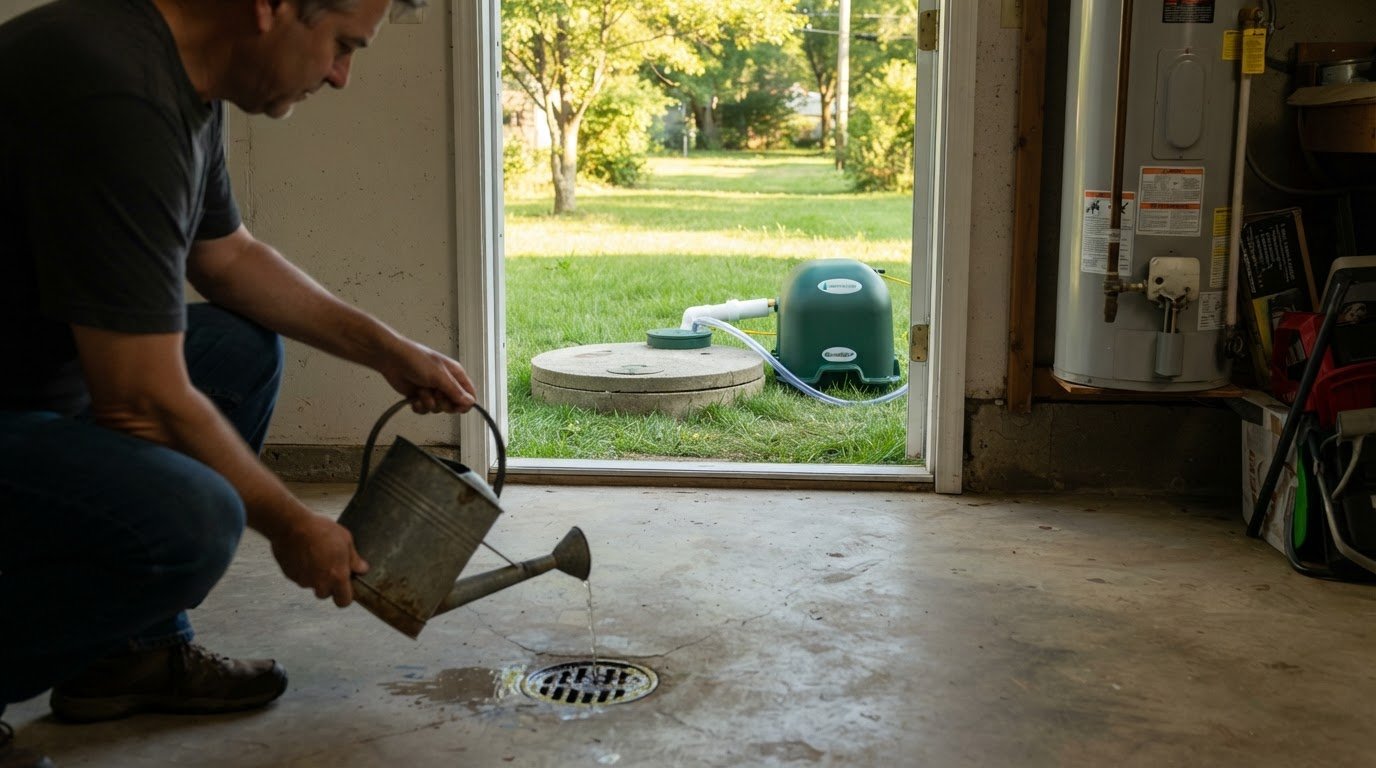
- Oil-based paint, paint, and chemicals: Don’t use a septic system as a disposal route. Keep them out of sinks, toilets, and floor drains.
- Dental floss, coffee grounds, and kitty litter: Place these in household waste instead of flushing or rinsing them away.
Choose biodegradable, phosphate-free cleaning products for routine household cleaning. Limit harsh chemical cleaners and antibacterial soaps, which can harm treatment bacteria. If you use bleach, avoid sending large amounts into the system. Read product labels and follow their directions instead of pouring leftover cleaners down a drain.
Water habits matter, too. Fix leaking faucets and running toilets promptly, because unnecessary flow adds wastewater to the system. Low-flow fixtures reduce water use at sinks and showers. Spread laundry loads across different days rather than running several loads back-to-back. This helps prevent sudden surges of wastewater entering the Septic Tank and drainfield.
Keep kitchen scraps and household chemicals out of drains. Scrape plates into the trash or compost rather than rinsing food waste into the sink. Never pour paint or chemical leftovers into a toilet, even in small amounts. These simple choices protect beneficial bacteria and reduce unnecessary stress on treatment components.
Make household rules clear for everyone, including guests and children. Place a small wastebasket beside each toilet for wipes and hygiene products. Store cleaning chemicals and paint away from drains, and remind household members that “flushable” labels don’t make wipes suitable for septic systems. These practical habits help limit pollution and support reliable treatment.

Environmental Risks from Failing Septic Systems
Older or poorly maintained septic systems can release untreated wastewater into soil and groundwater. Effective septic system solutions for environmentally conscious homeowners start with recognizing how system failure can move contamination beyond the drainfield. If treatment falters, contaminants may reach groundwater or nearby waterways, turning a household problem into an environmental concern.
Warning signs can appear inside or outside the home:
- Slow drains: Several slow drains may point to a system issue, rather than one blocked fixture.
- Gurgling sounds: Gurgling from plumbing can signal that wastewater isn’t moving properly.
- Unpleasant odors: Persistent smells near plumbing or the drainfield can indicate a problem.
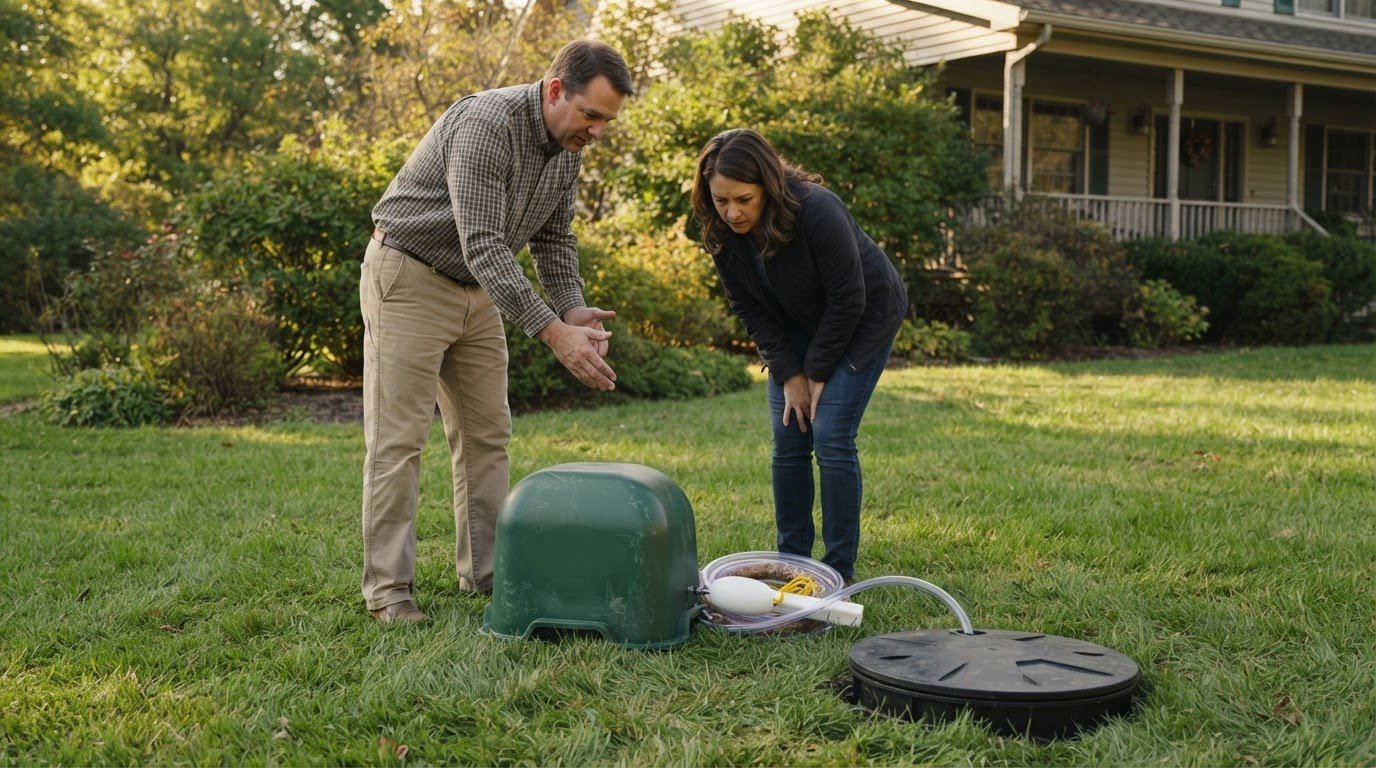
These symptoms don’t identify the cause by themselves, but they warrant a professional septic inspection. An inspection can assess system condition and whether treatment or drainfield performance has changed. Don’t dismiss recurring symptoms as ordinary plumbing trouble. Timely evaluation can clarify what needs attention.
A saturated drainfield has less capacity to absorb and treat effluent. Nutrients may move toward surface water through runoff, and continued saturation can contribute to premature drainfield failure. Poor drainage around the field can add to the problem. Keep runoff from flowing across the treatment area to help reduce avoidable saturation.
Act promptly when symptoms appear. Arrange an inspection, then keep its findings with repair records. That history helps show whether a problem is recurring and what work has already been completed. An evaluation can also help determine whether the existing system can be improved or needs redesign.
While the system is assessed, reduce stress on it: fix household leaks, choose low-flow fixtures, and spread laundry loads across different days. Keep heavy vehicles and permanent structures off the drainfield, since compaction can interfere with treatment. Avoid planting large trees nearby, because roots can intrude into pipes.
For septic system solutions for environmentally conscious homeowners, the practical takeaway is to respond to warning signs, protect the drainfield, and use inspection findings to guide repairs. These steps can address a failure before untreated wastewater or nutrient pollution causes wider environmental harm.
How the Aero-Stream® Remediation Process Works
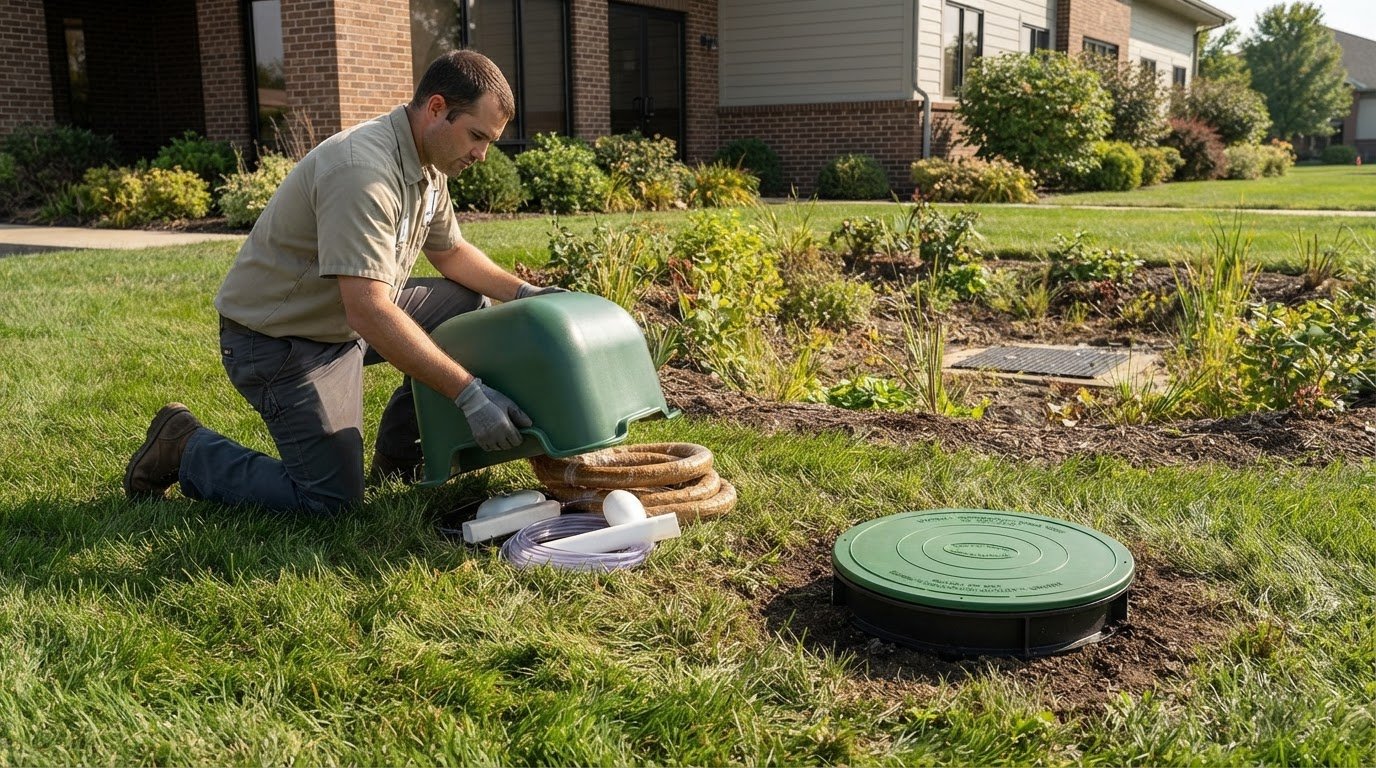
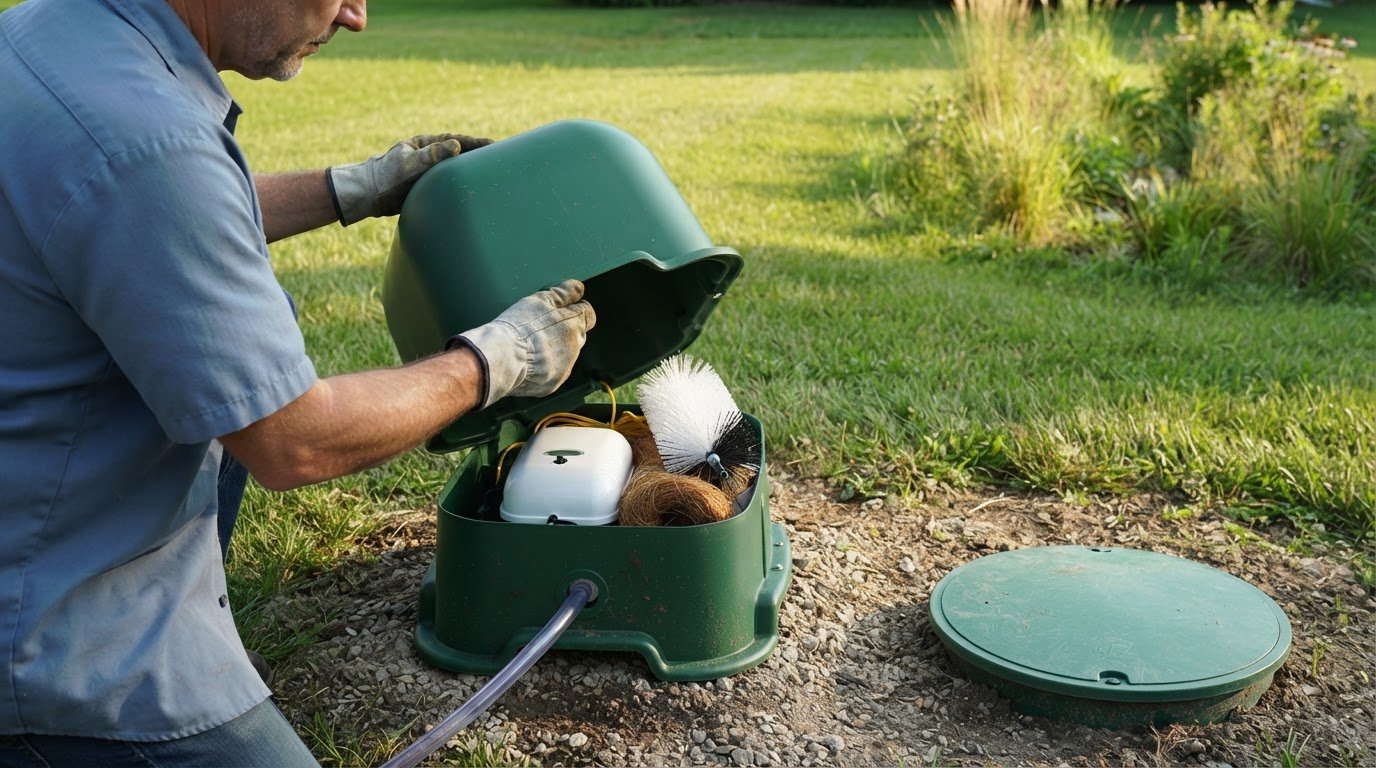
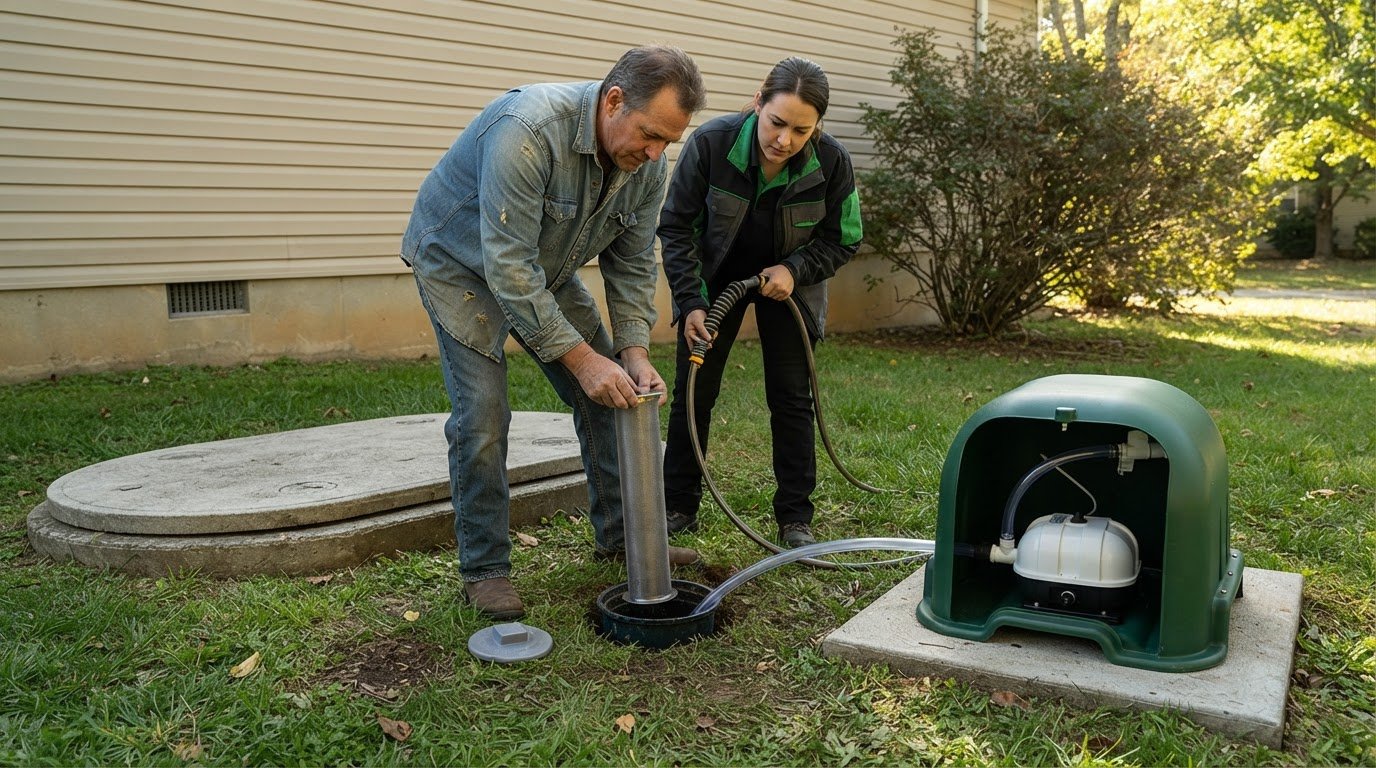
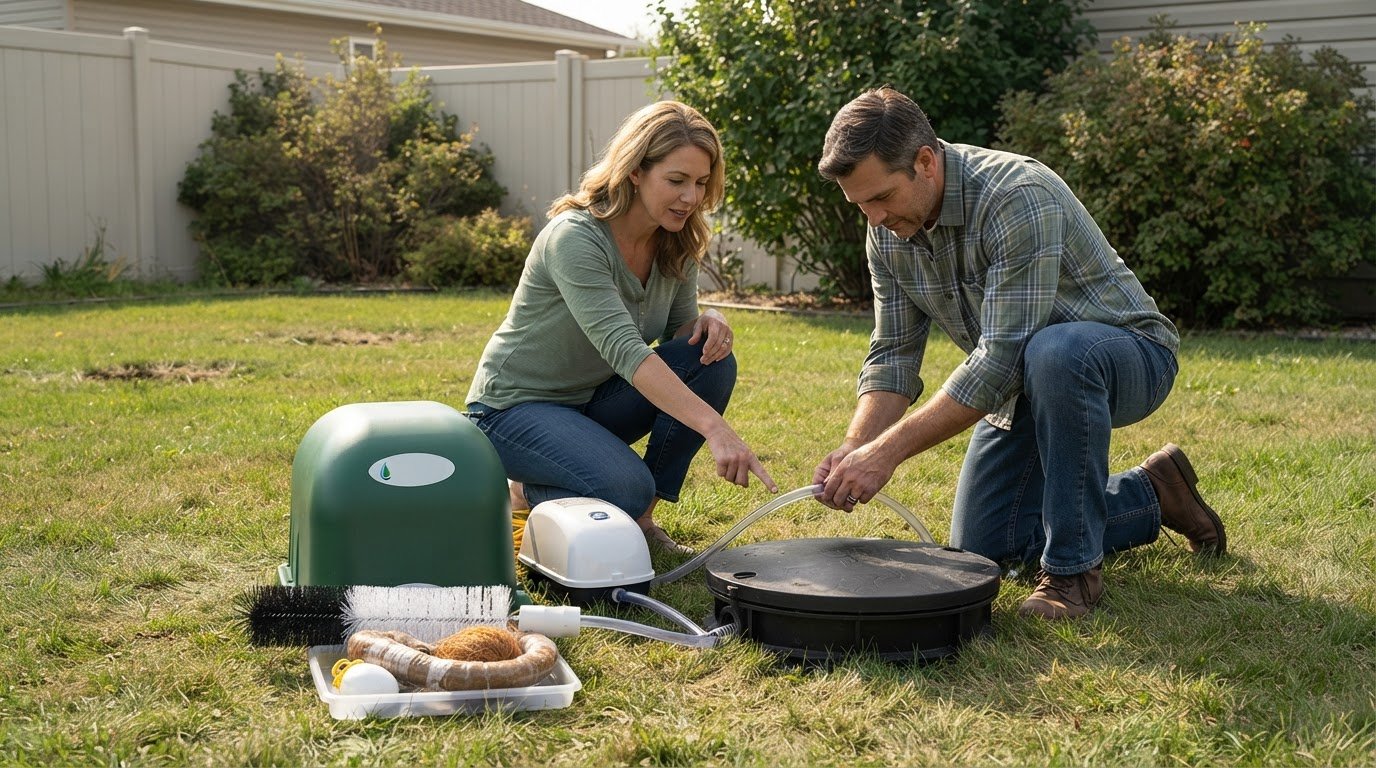
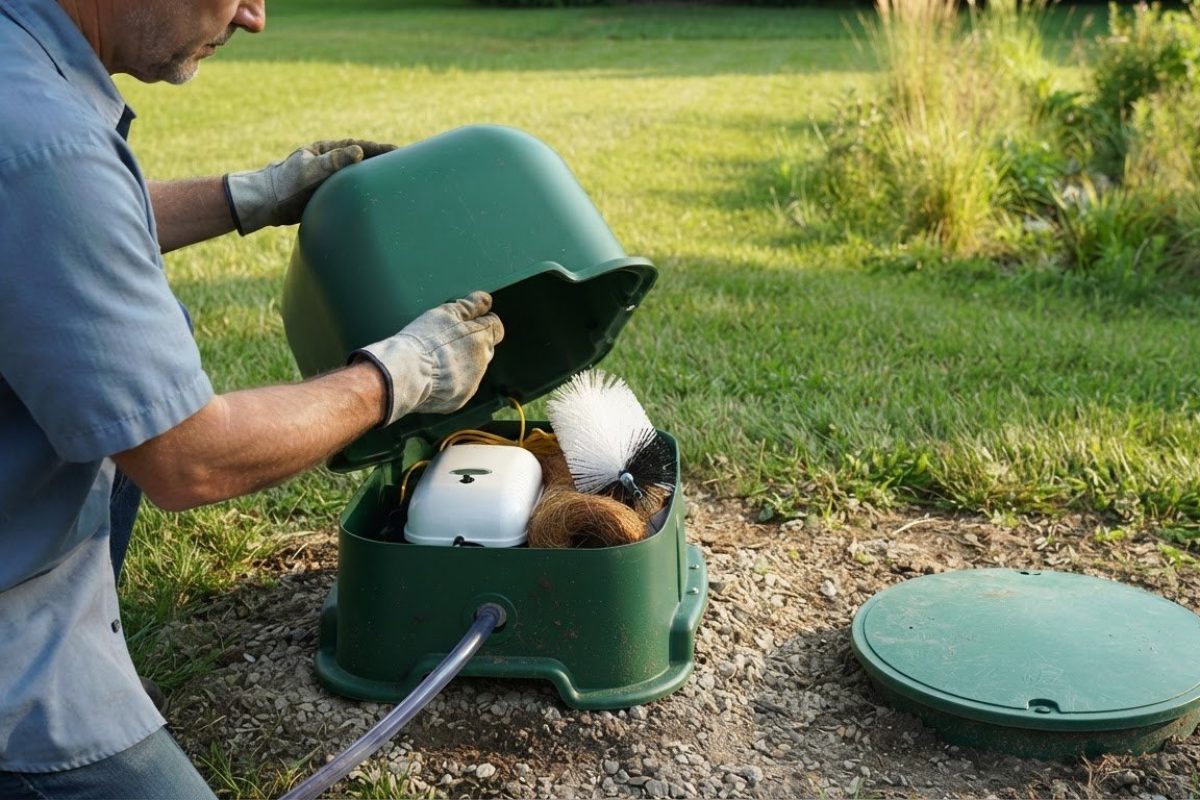
Aero-Stream® offers Residential Remediator® Kits for homeowners considering aerobic septic treatment. Its patented Controlled Septic Aeration™ process adds oxygen to wastewater, supporting aerobic bacteria as they break down waste. The Remediator® is designed to help restore existing systems through aerobic treatment. Whether it fits depends on the condition of the tank, treatment components, and drainfield.
A Septic Tank Air Pump supplies air to the treatment area, while Bio-Brush® media provides a surface for attached-growth bacteria. Aero-Stream’s stated technical comparison is that aerobic bacteria can be 20 to 30 times more effective than anaerobic bacteria. That comparison describes bacterial activity, not a guaranteed result for every property. Actual system performance depends on operating conditions and the existing system’s condition.
The process has patent identifiers US 10,995,026 and US 7,718,067. For a new aerobic treatment system, Eco-Nest™ systems are NSF/ANSI 40 certified. Certification and patent information provide concrete product details, but they are not a substitute for results under a particular property’s conditions. Look at what a test measures and how its conditions relate to your treatment needs.
Remediation and system replacement address different situations. A kit adds aerobic treatment to an existing system, but it cannot correct structural damage to a tank or drainfield. An evaluation helps distinguish a treatment problem from physical failure and determine whether remediation or another system approach is appropriate.
Aero-Clean™ cleaners are another topic in septic care. Use cleaners according to their product directions, and don’t treat any cleaner as a replacement for system evaluation or maintenance. The controlled aerator supplies oxygen, while treatment media and system condition affect how wastewater is processed. Certified status, patents, and performance comparisons each describe different product characteristics, not a guaranteed outcome for a specific property.
If you’d like to discuss aerobic treatment options for your system, contact Aero-Stream.
Frequently Asked Questions
How often should you get your septic tank emptied?
Use inspection findings and service records to plan pumping rather than assuming a previous owner’s schedule fits your household. Tank size, household use, and solids accumulation affect timing. If you’ve recently moved, compare the latest inspection with earlier service records. This gives you a more useful starting point than waiting for a plumbing problem to appear.
What about maintenance costs?
Maintenance costs depend on the work your system needs. Routine inspections, pumping, component care, and repairs are separate budget items, and access to system components can affect the work involved. Keep invoices and inspection reports together. Comparing this year’s repair bill with past records, for example, can help distinguish a recurring issue from a one-time expense.
What septic system options are most environmentally friendly for homeowners?
The best option depends on the property’s treatment needs and how much wastewater the household generates. If reducing wastewater is a priority, composting toilets and waterless systems can reduce or eliminate wastewater generation. Greywater reuse may also reduce septic-system demand where it’s legal and feasible. Consider how each approach fits the home’s existing system and local requirements.
How much does septic system maintenance and pumping cost, and how often is it needed?
There isn’t one maintenance budget or pumping schedule that fits every property. Tank condition, access for service, household wastewater use, and repair needs all affect the work. Separate recurring upkeep from corrective repairs in your records. This helps you plan routine care without mistaking a repair expense for the normal cost of maintaining the system.
What are the steps to evaluate a property and choose the right septic system?
Begin with documented system history, then assess the property and its constraints. When buying a home, include the septic system in your evaluation rather than relying only on the seller’s account of its maintenance.
- Review available inspection, pumping, and repair records.
- Assess soil, lot size, groundwater, drainage, and climate.
- Note the system’s distance from a well and check for invasive tree roots near the drainfield.
- Compare suitable designs with local approval requirements.
What are the health and environmental risks of a failing or poorly maintained septic system?
Beyond soil and groundwater contamination, failing treatment can contribute to nutrient pollution and drainfield saturation. These conditions may lead to premature system failure and additional maintenance or repairs. Poor treatment can also mean less efficient water and energy use. For your property, the practical concern is understanding how one failing component may affect overall system performance and the surrounding environment.