
What if the best septic system for green living isn’t the one with the most technology? It’s the one that suits your site and treats wastewater effectively while limiting strain on soil and nearby water. The right choice depends on how the tank and drainfield work together, your property’s conditions, and the treatment process.
Going green also means looking beyond installation. Water use, routine care, and treatment design all affect system performance and long-term costs. Fixing leaks and spacing out laundry loads, for example, can reduce the wastewater entering your septic system.
This article explains how tanks separate solids from liquids, how drainfields filter effluent, and what makes a system greener. You’ll compare passive treatment and aeration, then consider installation and ongoing care when weighing long-term costs. The aim is to help you assess environmental impact, site needs, and expenses over time.
Key Takeaways
- Choose a septic system around your site conditions, treatment needs, and local environmental regulations, not technology alone.
- Understand how the tank and drainfield work together, and protect the drainfield by reducing excess wastewater and avoiding soil compaction.
- Compare installation, energy use, maintenance, and repair needs to understand how upfront costs can relate to long-term savings.
- Learn how passive treatment and aeration affect wastewater processing, and where Aero-Stream remediation products may fit your system’s needs.
What Is a Green Septic System?
A green septic system treats household wastewater while limiting pollution reaching soil, groundwater, and waterways. Its performance depends on treatment design, site conditions, and consistent care.
Environmental Standards and Compliance
Environmental standards and regulations guide septic system design, placement, and operation. State and local rules affect permits and acceptable designs, so requirements vary across the United States. Match system plans to local regulations and site conditions, including the locations of wells and water bodies. This helps reduce the risk of untreated wastewater reaching sensitive areas.
Neglect can allow poorly treated effluent to reach soil or groundwater, exposing people and ecosystems to pathogens and excess nutrients. Avoid harsh chemical cleaners, antibacterial soaps, and bleach to protect beneficial bacteria. Monthly septic tank treatments are recommended in the research provided, but product choice matters: chlorinated organic solvents may harm groundwater, while hydrogen peroxide can damage soil and compromise the drainfield.
System Impact and Performance
Environmental impact and performance describe how well a system treats wastewater before dispersal. A malfunctioning tank or drainfield can let effluent move toward groundwater and nearby waterways. Nitrogen, phosphorus, and pathogens are important pollution concerns, so treatment effectiveness matters beyond the property boundary.
Use biodegradable, phosphate-free cleaning products and fix leaks to support microbial activity and reduce wastewater flow. Space laundry loads over time rather than sending a sudden surge through the system. These steps help protect treatment performance without relying on harsh chemicals.
Design, Site Fit, and Pollution Reduction
System design must match household wastewater needs with soil conditions, available space, and local requirements. The appropriate size depends on household use and the property’s capacity to absorb treated effluent. Soil and site conditions guide tank and drainfield design, including how wastewater may move toward groundwater or nearby wells.
No septic system reduces nitrogen, phosphorus, and pathogens most effectively on every property. Advanced treatment designs can target pollution reduction, but results depend on the process, site suitability, and system operation. Match treatment goals to household needs, soil conditions, and environmental regulations.
How septic tanks and drainfield work
A household septic system moves wastewater through a tank and into a drainfield. Each component plays a role in treatment, so a blockage or overloaded field can disrupt the entire process.
Tank and drainfield Components
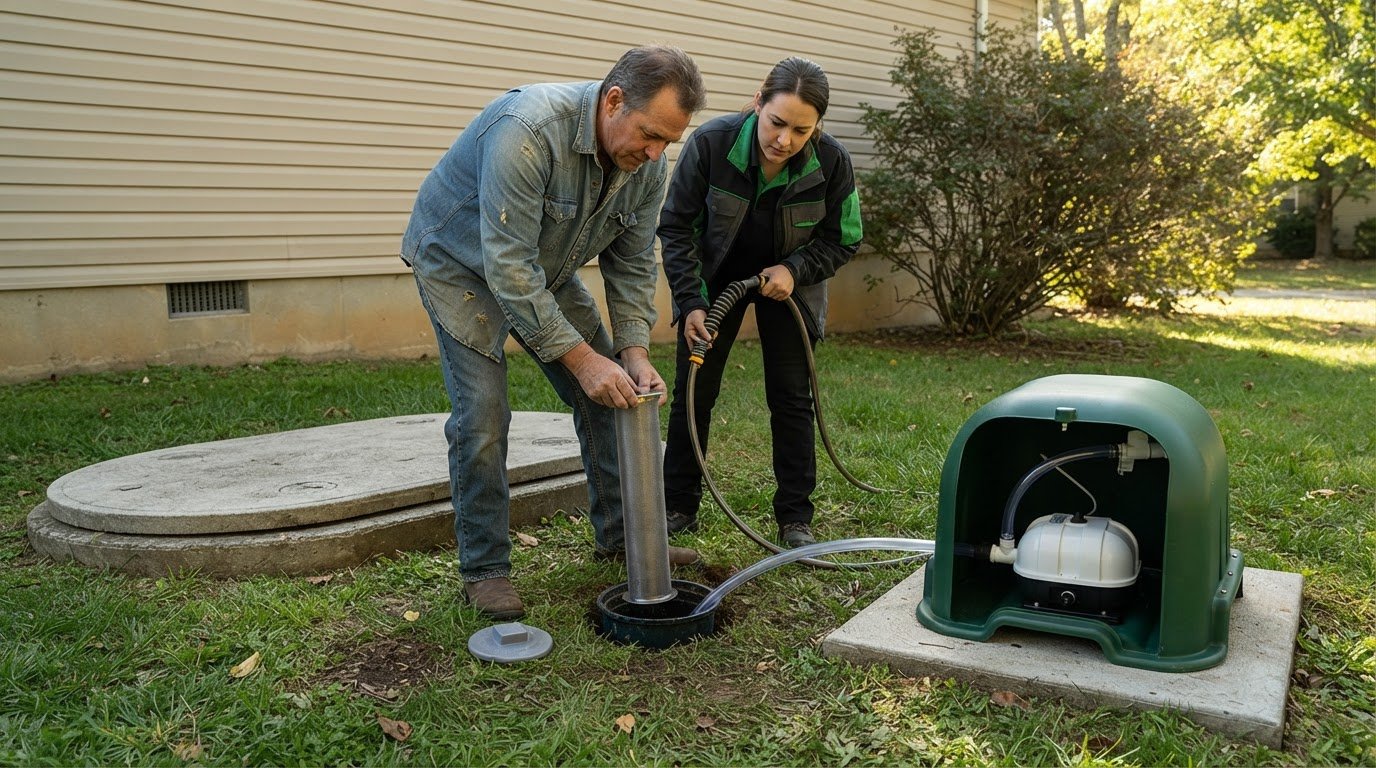
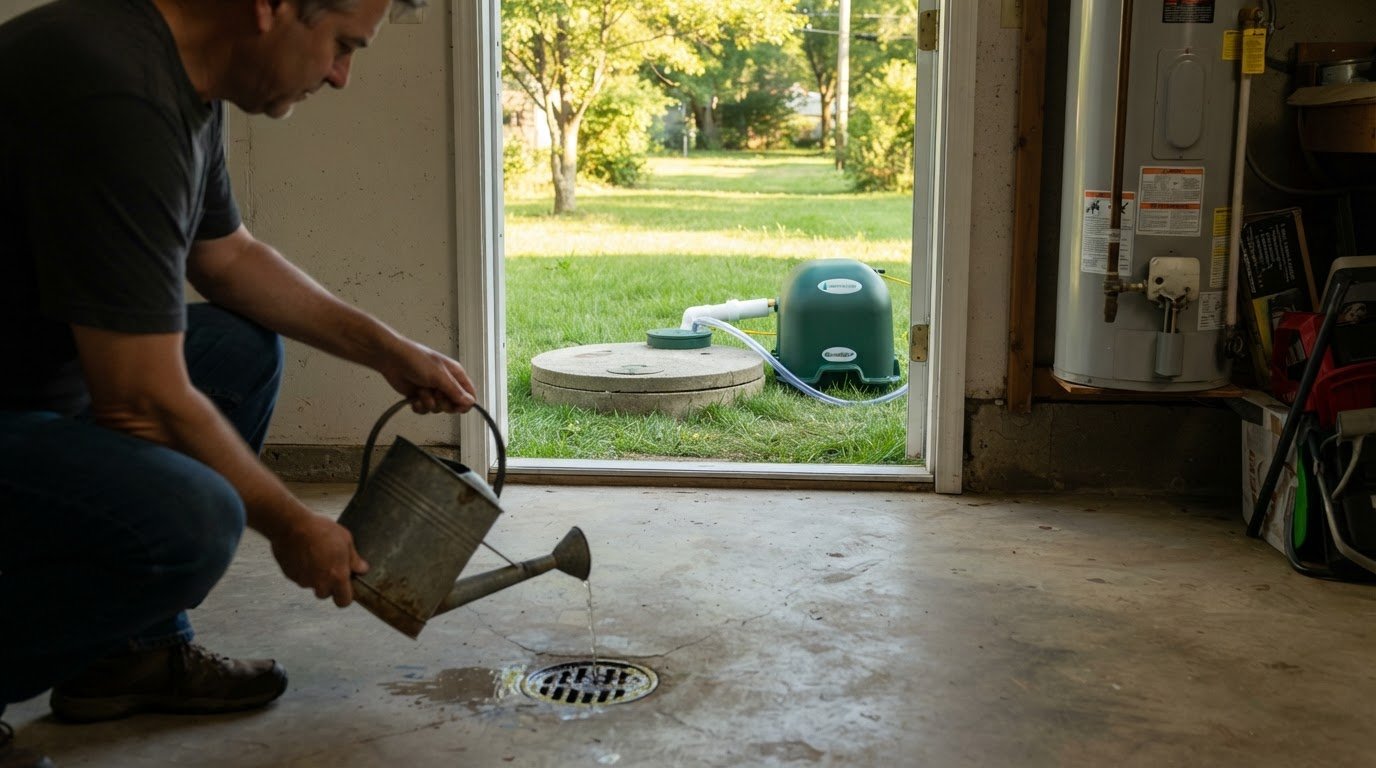
A septic tank holds wastewater, while outlet components control the flow of solids and liquid toward the drainfield. A typical home tank averages 1,250 gallons, usually enough for a four-bedroom house. An Effluent Baffle blocks solids from leaving the tank, and an Effluent Filter lets liquid pass while catching solids at the outlet.
The drainfield uses perforated pipes to distribute effluent through soil. Soil, rocks, and minerals filter wastewater before it returns to groundwater. For example, a 1,500-gallon tank can require a drainfield of 800 to 2,500 square feet.
How Waste Moves Through the System
Bacteria in the tank break down waste, separating it into solids and liquid. Solids settle, while liquid effluent exits through the outlet and travels into perforated pipes. This steady movement gives the tank and drainfield distinct roles in treatment.
As effluent disperses, soil and its microbial ecosystem continue filtering it. The drainfield needs enough unsaturated soil to absorb wastewater; saturated or compacted ground can hinder that process. A properly functioning outlet filter also helps keep harmful solids from clogging pipes and the surrounding soil.
Protecting the drainfield
Protect the drainfield by keeping soil open and wastewater flow manageable so the field can absorb effluent. Keep heavy vehicles, large trees, and permanent structures away: vehicle weight compacts soil, while roots can grow into pipes.
Maintain proper drainage around the field so surface runoff doesn’t saturate the soil. Fix leaks, use low-flow fixtures, and spread laundry loads across different days to reduce surges. Lower wastewater flow eases pressure on the drainfield and supports effective treatment.

Installation costs and long-term savings
Installation costs depend on household needs, soil, site access, and treatment design. Compare a system’s energy, operating, and maintenance demands, not just its upfront cost. Choosing the best septic system for green living means weighing lifetime costs against the treatment your property needs.
Energy Use and Operating Costs
Energy and operating costs depend on the power and upkeep a treatment system requires. Passive designs rely on gravity and natural filtration, while aeration systems use an air blower to add oxygen and consume electricity. Aerobic treatment supports aerobic bacteria, but its value depends on system performance and your property’s treatment needs.
Consider energy use alongside biological treatment. A powered system may improve treatment where added oxygen is part of its design, while a passive system avoids mechanical aeration. Compare how each option suits your site and environmental goals. Lower energy use alone doesn’t necessarily mean better efficiency or lower total costs.
Ongoing Maintenance Costs
Ongoing maintenance costs include inspections, pumping, and recommended repairs over the system’s life. Regular inspections and timely pumping help limit buildup and catch problems before they become costly failures.
Neglect can impair treatment and put groundwater at risk. Budget for maintenance, and address leaks or poor drainage early. Reducing wastewater entering the system eases strain on the drainfield, supports reliable treatment, and can help avoid preventable repairs.
To find the best septic system for green living on your property, compare installation and operating needs together. Soil conditions and treatment technology affect both long-term costs and performance.
Green septic system technologies
Green septic technologies differ in treatment method, energy demand, and site requirements. The best septic system for green living depends on soil, available space, household wastewater, and treatment goals. Conventional systems rely on anaerobic processes, while aerobic systems add oxygen to support aerobic bacteria. Mound systems raise the drainfield, and constructed wetlands use plants, soil, and roots to treat wastewater.
Costs and environmental impact depend on equipment, site preparation, and local regulations. Conventional designs use passive treatment; aerobic systems need powered equipment; mounds require a raised structure; wetlands need space for planted treatment. Compare these demands with your pollution-control goals. The best septic system for green living is the one that fits the property and treats wastewater effectively, not simply the design with the most components.
Some systems use coconut husk fibers or peat moss as filter media instead of gravel or sand. Recycled thermoplastic tanks are lighter to transport, while smart monitors can track water levels, flow rates, and system health. These technologies can inform maintenance decisions, but monitoring doesn’t replace care of the tank and drainfield.
Beneficial bacteria need suitable conditions to break down organic waste. Keep grease and harsh chemical cleaners out of the tank because they can contribute to clogs or disrupt treatment. A serious performance issue calls for attention to the system as a whole, not just a quick additive.
Composting toilets and greywater systems may reduce wastewater entering a septic system, but both have practical limits. Composting toilets require management of collected waste; greywater reuse needs appropriate plumbing and must comply with local regulations. Where legal and feasible, greywater reuse can reduce system strain, but it doesn’t treat all household wastewater.
Aero-Stream® Remediation Products and Process
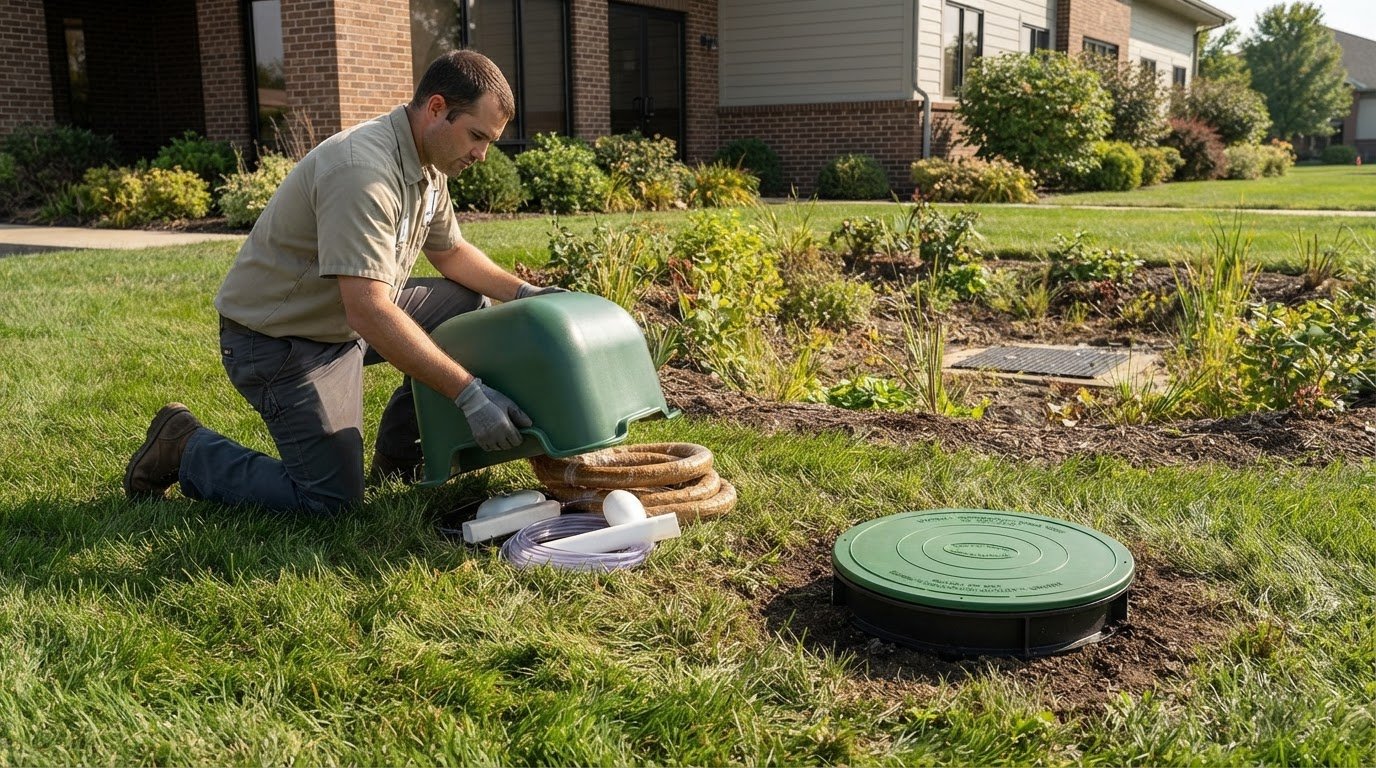
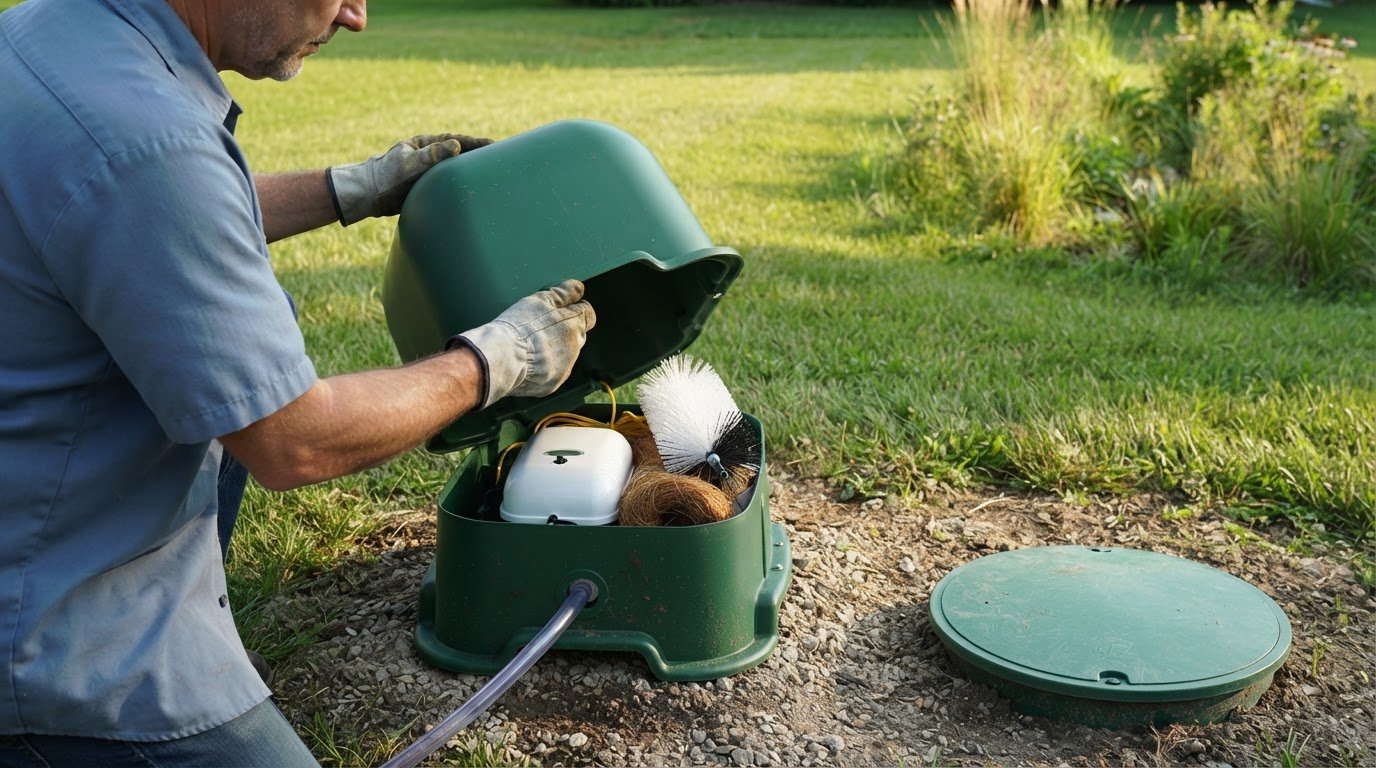
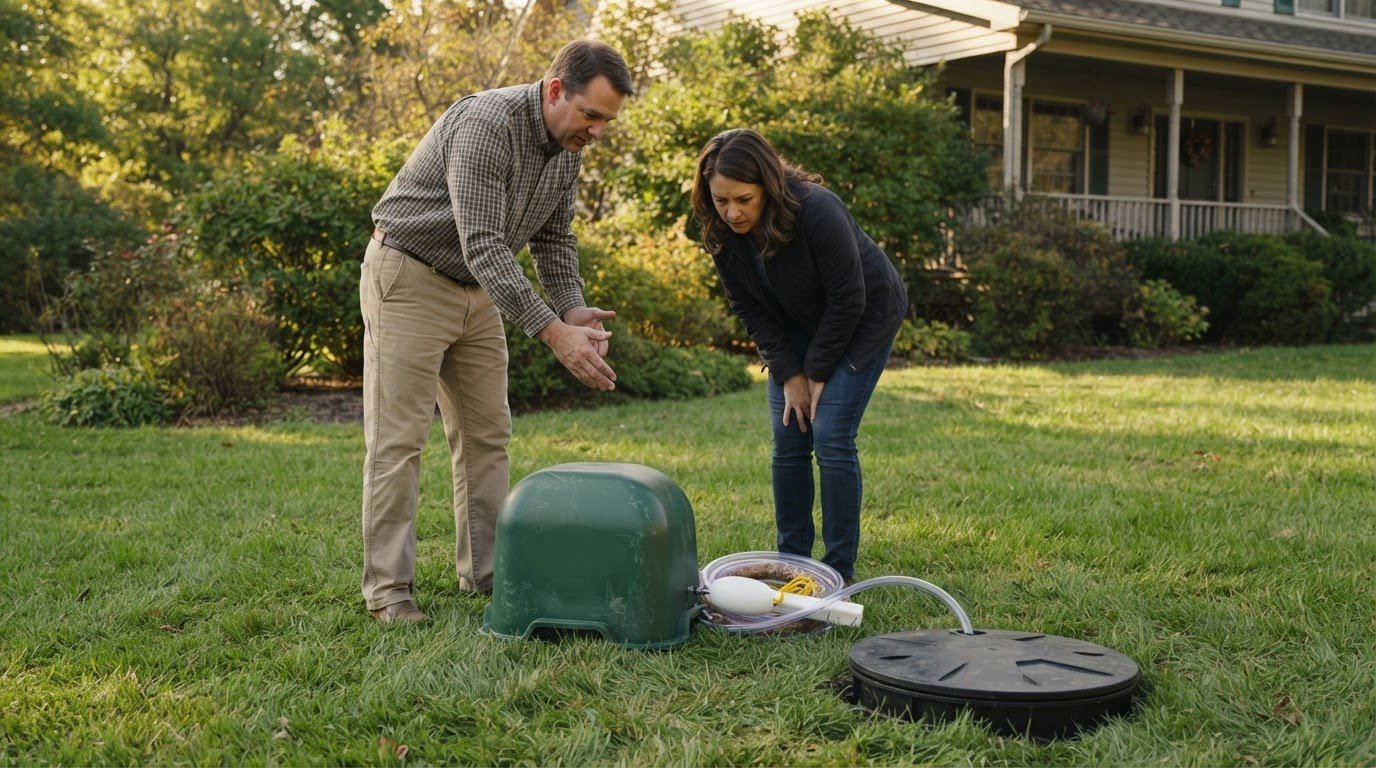
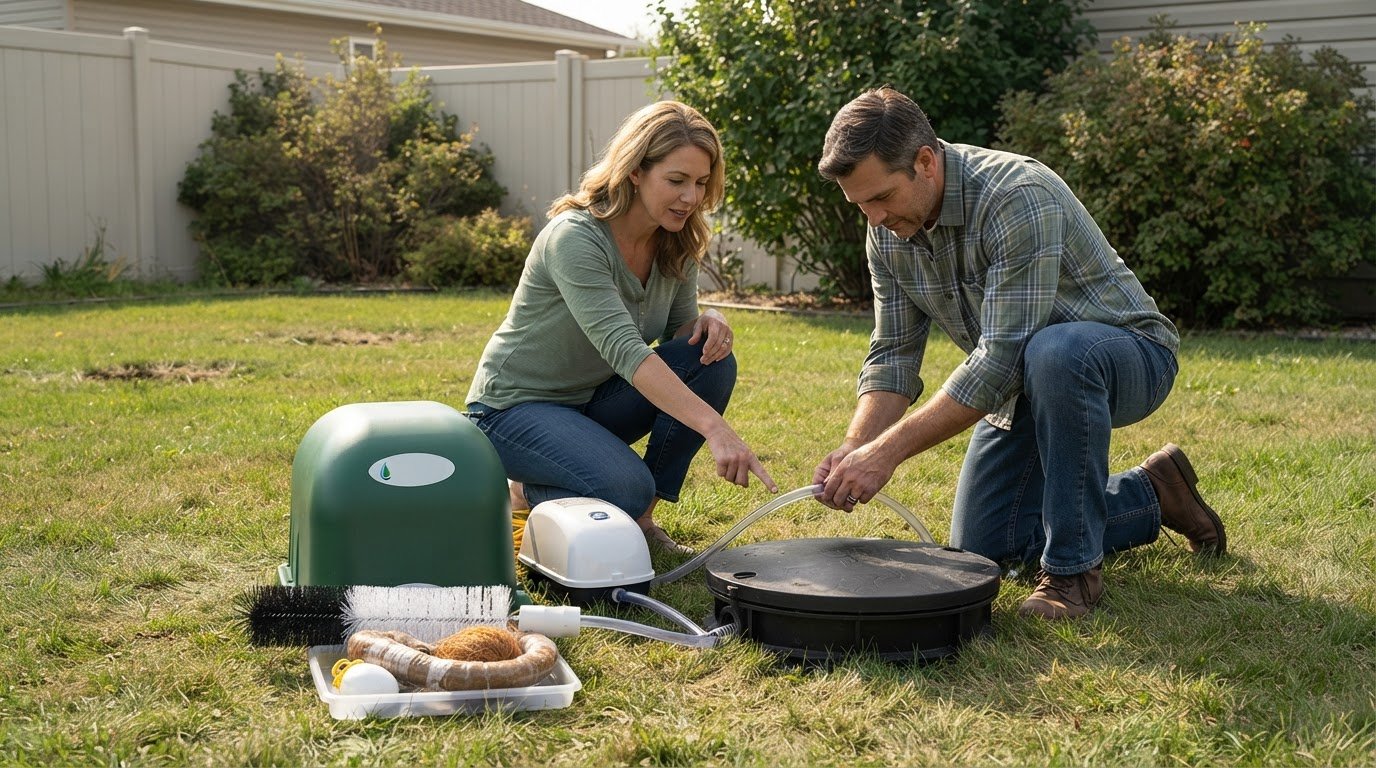
Aero-Stream® offers septic remediation products for homeowners considering treatment options beyond conventional passive systems. Its product range includes Residential Remediator® Kits, Bio-Brush®, Septic Tank Air Pumps, and Eco-Nest™ NSF/ANSI 40 Systems. These offerings address different needs: a remediation kit, system components, or a treatment system. The right category depends on the equipment and treatment approach your property requires.
The Aero-Stream® Remediation System and Aero-Stream Remediator are names associated with the company’s remediation approach. The patented Controlled Septic Aeration Process is part of that approach. Aero-Clean™ cleaners and the Aero-Stream® device are also relevant product topics, but their names alone don’t establish performance or suitability. Consider each item in relation to your system’s condition and the treatment goal.
For an existing system, a Residential Remediator® Kit may be relevant when the goal is septic remediation. Bio-Brush® and Septic Tank Air Pumps are related hardware offerings, while Eco-Nest™ NSF/ANSI 40 Systems are a separate system option. These categories shouldn’t be treated as interchangeable: a component or remediation kit is not the same choice as a complete treatment system.
Before selecting a technology, focus on evidence that applies to the product and the conditions it is intended to address. Certification for a system does not establish every performance claim for other products. Be cautious of companies that cannot provide certified test data for their products. Review the specific test data and scope of each claim, then match the evidence to your treatment needs.
Contact Aero-Stream to discuss which product category fits your septic system.
Frequently Asked Questions
How Do They Work?
A septic system treats household wastewater in stages, from treatment inside the tank to dispersal into the soil. In an aerobic system, oxygen supports treatment without requiring chemical or bacterial additives. The system still depends on functioning components and suitable soil conditions. For example, a blocked outlet can interrupt wastewater flow even when the treatment process itself is working as intended.
Why are Treatments Important?
Treatment reduces waste and pollutants before effluent disperses into the surrounding environment. Some aerobic approaches add oxygen to support the biological process rather than introducing chemical or bacterial additives. Treatment products aren’t a universal fix, though. A damaged pipe, overloaded tank, or failing drainfield needs the cause addressed; an additive or treatment device cannot restore a component that no longer functions.
What septic system types are most environmentally friendly for homes?
The most environmentally friendly choice depends on the property’s needs, not a single system label. Consider the site’s soil, available area, household wastewater, and treatment goals together. For example, an NSF/ANSI 40 certified treatment system may be relevant when evaluating an advanced treatment option. Certification identifies a standard associated with that system; it doesn’t establish that every design suits every property.
What is the average installation and maintenance cost of an eco-friendly septic system in the United States?
There isn’t one reliable national average for every eco-friendly system. Installation expenses depend on site preparation, soil, system design, and equipment. Ongoing costs depend on which components need inspection, care, or repair. To estimate total ownership costs, consider installation alongside recurring maintenance and energy use, rather than comparing initial quotes without accounting for system differences.
How much water and energy do different septic systems use?
Water use depends chiefly on household habits and the amount of wastewater sent to the system. Equipment power use is separate from household water consumption. Fixing leaks and avoiding unnecessary water loads can reduce wastewater flow.
What are the maintenance requirements and service intervals for alternative septic systems?
Maintenance schedules vary by equipment, so follow component instructions. For Eco-Nest™ systems, check the effluent filter after six months and then annually; clean it with a hose or replace it as needed. Keep records of filter care and note changes in system performance to track routine maintenance.