
A septic tank can remove 60% to 90% of suspended solids, but that’s only one stage of wastewater treatment. Protecting local groundwater with better septic treatment depends on what happens next: how wastewater moves through the system and the soil, and whether the system is functioning as intended.
If you rely on a septic system, you know it treats wastewater from your home. Less obvious is how that treatment affects nearby wells and shared groundwater, especially when the system is failing or poorly maintained.
This article explains how wastewater moves through a septic system, which contaminants can threaten health, and how effective treatment can limit their movement into groundwater. You’ll also learn why aerobic treatment matters and how septic performance affects the surrounding community.
Key Takeaways
- Understand how a Septic Tank separates solids and how treated effluent moves into the soil.
- Learn why failing systems can let wastewater contaminants threaten nearby wells and groundwater.
- See how aerobic treatment supports wastewater breakdown and what system performance means for water quality.
- Explore how Aero-Stream remediation products fit into septic system treatment and maintenance.
How Does a Septic System Work?
A household septic system treats wastewater in stages. The Septic Tank separates solids from sewage, while bacteria break down some organic matter. The liquid effluent then flows to the drainfield, where soil provides further treatment before water moves deeper underground. Septic tanks reduce suspended solids by 60% to 90%, but they don’t remove every contaminant.
Conventional systems can pollute groundwater when tanks, pipes, or drainfields fail, or when wastewater is inadequately treated. Shallow groundwater is more vulnerable because contaminants pass through less soil. Sewer installation can replace onsite treatment in served areas, but its effect depends on whether homes connect and the sewer system works properly.
A practical maintenance schedule is to inspect the system every three to four years and pump the tank every one to three years. Actual pumping frequency depends on household use, demand, and property size. Don’t wait for a backup before arranging maintenance.
State and county environmental regulations govern septic system requirements, including permits and system standards. Rules vary by location, so your county or state health department can explain the requirements where you live.
Warning signs include slow drains, sewage backups, wet ground near the drainfield, or persistent sewage odors. Groundwater contamination may have no obvious signs, so arrange appropriate testing if you’re concerned about a private well’s water quality. Keep fats, oils, wipes, chemicals, and medications out of drains because they can disrupt treatment or block pipes.
Financial assistance for septic upgrades depends on location and program eligibility. State or county programs may offer grants or other support. Ask your local health or environmental department which options apply to your property.
Wastewater contaminants and septic tank treatment
Septic tanks reduce some contaminants, but the treatment process and soil conditions determine what may reach groundwater. Contaminant levels are especially important near wells and other drinking-water sources.
Leakage and Clear-Water Infiltration
Wastewater leakage occurs when sewage escapes damaged tanks or pipes. Clear-water infiltration is groundwater or stormwater entering them. Both can disrupt treatment: leaks release contaminants, while excess water can overwhelm the tank and carry inadequately treated effluent toward the drainfield. Watch for wet ground, backups, or unusually fast water movement after heavy rain. These conditions warrant investigation.
Septic tanks reduce biochemical oxygen demand over five days by 30% to 70%, total nitrogen by 30% to 40%, and phosphorus by about 15%. Nitrate needs particular attention near drinking-water wells: the U.S. Environmental Protection Agency sets the federal drinking water standard at 10 mg/l. New Mexico Environment Department regulations require 4 feet of vertical clearance between a septic trench bottom and an aquifer, water table, or limiting layer such as bedrock.
For well testing, collect a sample according to the laboratory’s instructions and request analysis for nitrate and indicators of fecal contamination. Compare nitrate results with the U.S. Environmental Protection Agency standard.
On-Site Treatment Alternatives
On-site alternatives treat wastewater on the property when a conventional drainfield isn’t suitable. Sand filters add treatment after septic-tank pretreatment; constructed wetlands pass effluent through gravel or other granular media. The right design depends on soil, groundwater depth, available land, and wastewater flow. Those conditions affect treatment and how effluent disperses, so alternatives aren’t interchangeable.
For an Aero-Stream conversion, ask the company for the current conversion cost for your property and system. Advanced-system installation and maintenance costs depend on the treatment design, site conditions, equipment, and ongoing care. Keep paints, solvents, pesticides, and unused medicines out of household drains, and follow product labels for disposal. Septic treatment is not designed to remove contaminants from hazardous waste.
Health risks from septic contamination
When wastewater reaches a well or groundwater source, disease-causing bacteria, viruses, and parasites may travel with it. People can be exposed by swallowing contaminated water, including in drinks, ice, or food prepared with it. Waterborne diseases kill millions of people each year worldwide, although septic contamination is only one possible source. The risk depends on contamination reaching water people use.
Nitrate is another concern because septic wastewater can carry nitrogen compounds into groundwater. Contaminated water may look, smell, and taste normal, so appearance alone cannot establish whether a well is safe. A household filter is not proof that harmful contaminants have been removed: filters target different substances, and testing identifies what is present.
Watch for changes around your well and septic system. Sewage odors, backed-up drains, wet ground over a drainfield, or a damaged well cap can signal a problem that needs prompt attention. These signs don’t prove contamination, but they may indicate a pathway for wastewater or surface runoff to reach well water. Keep the well cap secure and prevent runoff from collecting nearby.
If you suspect contamination, use a qualified laboratory to test well water for bacteria and nitrate, following its sample-collection instructions. Results identify water-quality concerns and help guide decisions about treatment. If several nearby wells show similar concerns, shared groundwater movement or multiple septic systems may be relevant. Addressing the source matters: treating water at one tap won’t repair a leaking tank or stop contaminants entering the aquifer. Protecting household health starts with identifying both the water-quality issue and its pathway.

Protecting community groundwater
Groundwater protection depends on more than one household’s septic system. Where one or more septic systems occupy each acre, nearby wells may face greater contamination pressure. Local geology matters too: some formations allow contaminants to travel farther and potentially affect more people. Community planning should consider system density, soil, groundwater movement, and drinking-water sources together.
Shelburne Beach, Vermont, offers a local example. Six residential septic systems along a stream were rebuilt between 1998 and 2001. Monitoring later showed the nearby unnamed tributary consistently met water-quality standards, and it was removed from Vermont’s 303(d) list in 2004. The example shows how targeted improvements and follow-up monitoring can inform community water protection.
Communities can reduce risks by identifying vulnerable wells, streams, and areas with concentrated systems. Sewer districting is another approach where shared infrastructure is appropriate. For stormwater, maintain grass or other ground cover where runoff collects; grassy swales can biologically treat up to 90% of contaminants before they reach groundwater supplies. Keep vehicles leak-free, too, so oil and other pollutants don’t wash from surfaces into runoff.
Households also affect shared water quality through wastewater volume and disposal habits. Efficient plumbing fixtures can reduce residential water use and wastewater generation by between 30 percent and 70 percent. Fix running toilets and spread water use across the day to avoid overloading a septic system. Never flush household chemicals or pour hazardous waste into drains. Local monitoring, sound land-use decisions, and functioning onsite systems work together to limit sewage contamination. The takeaway: protecting local groundwater with better septic treatment requires community-level attention to both wastewater and stormwater pathways.
Underlying geological conditions can allow contaminants to migrate across a wider area, potentially exposing more people to illness. The page identifies areas with one or more septic systems per acre as places where contamination can occur, underscoring how geology and system density together shape community vulnerability.
Aero-Stream Remediation Products and Process
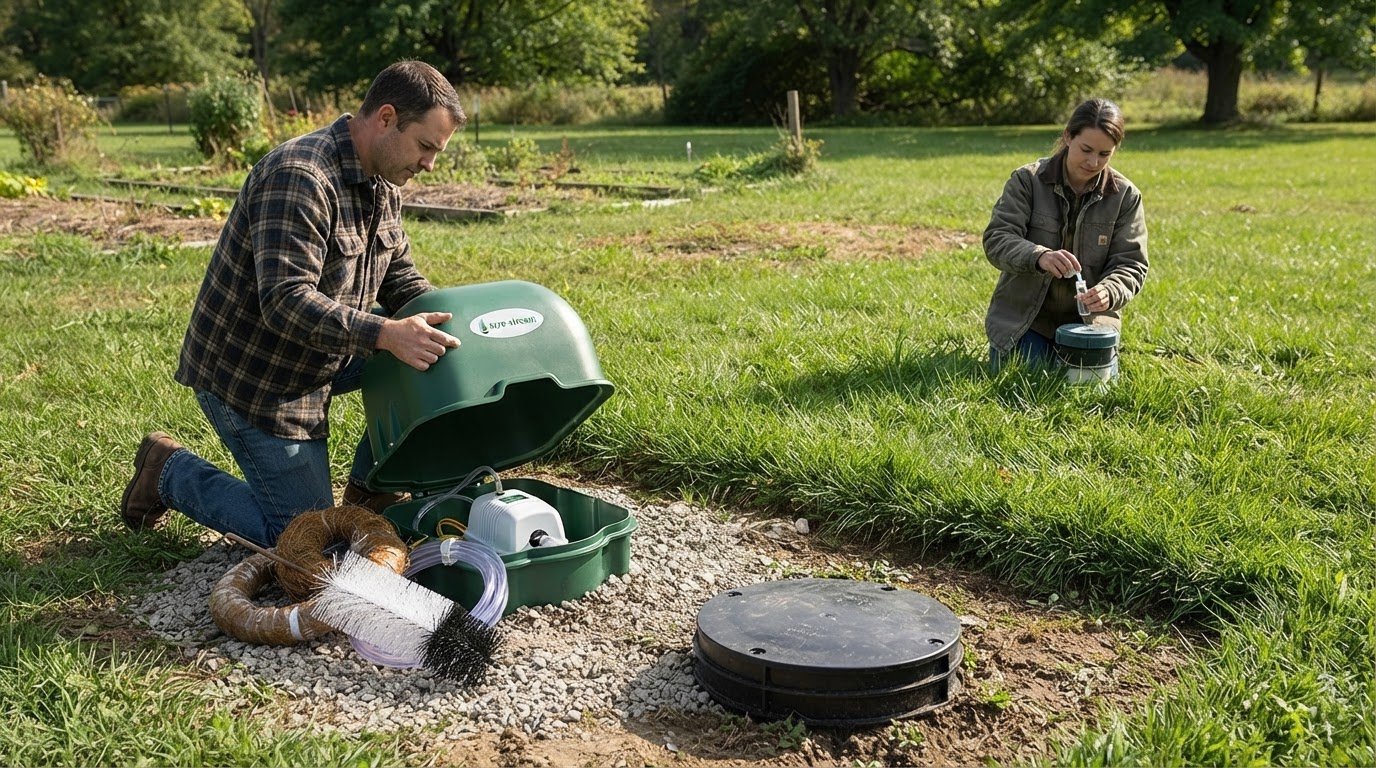
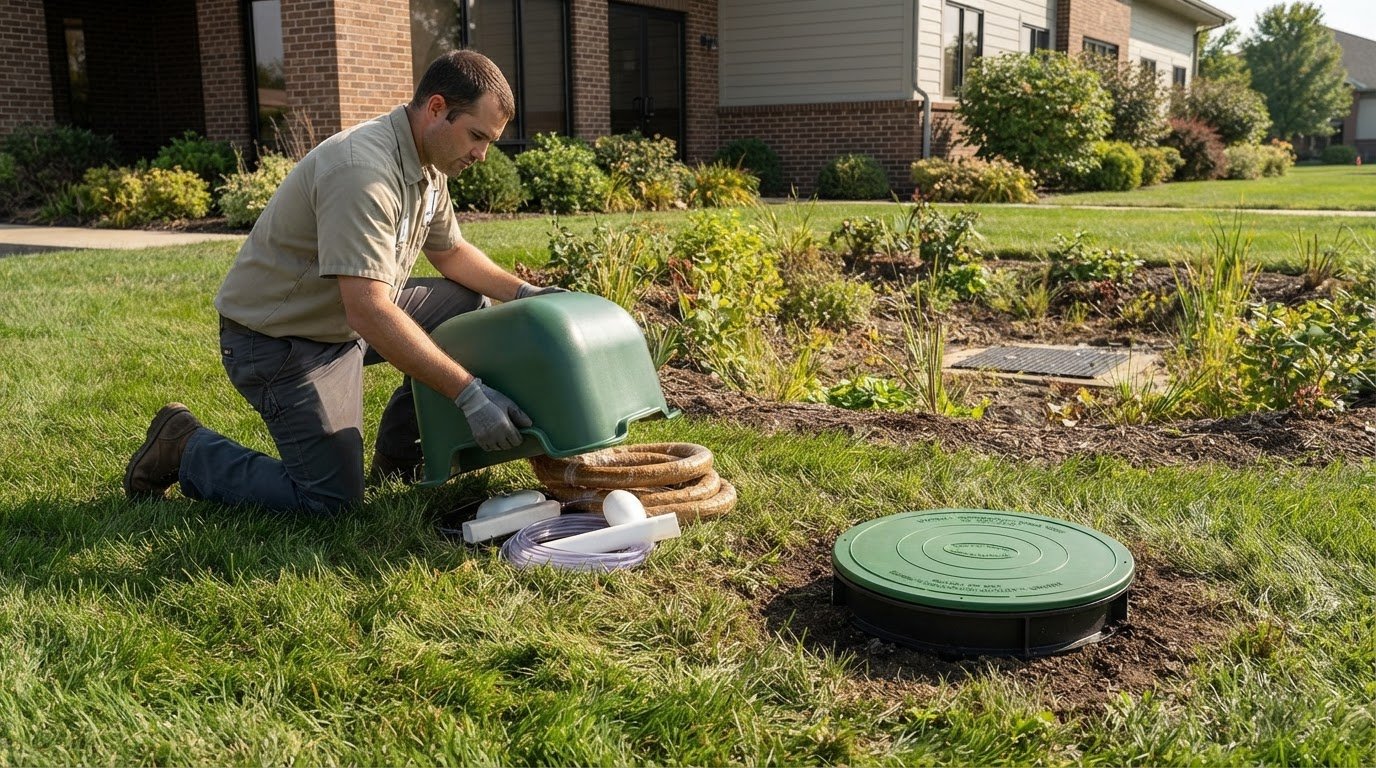
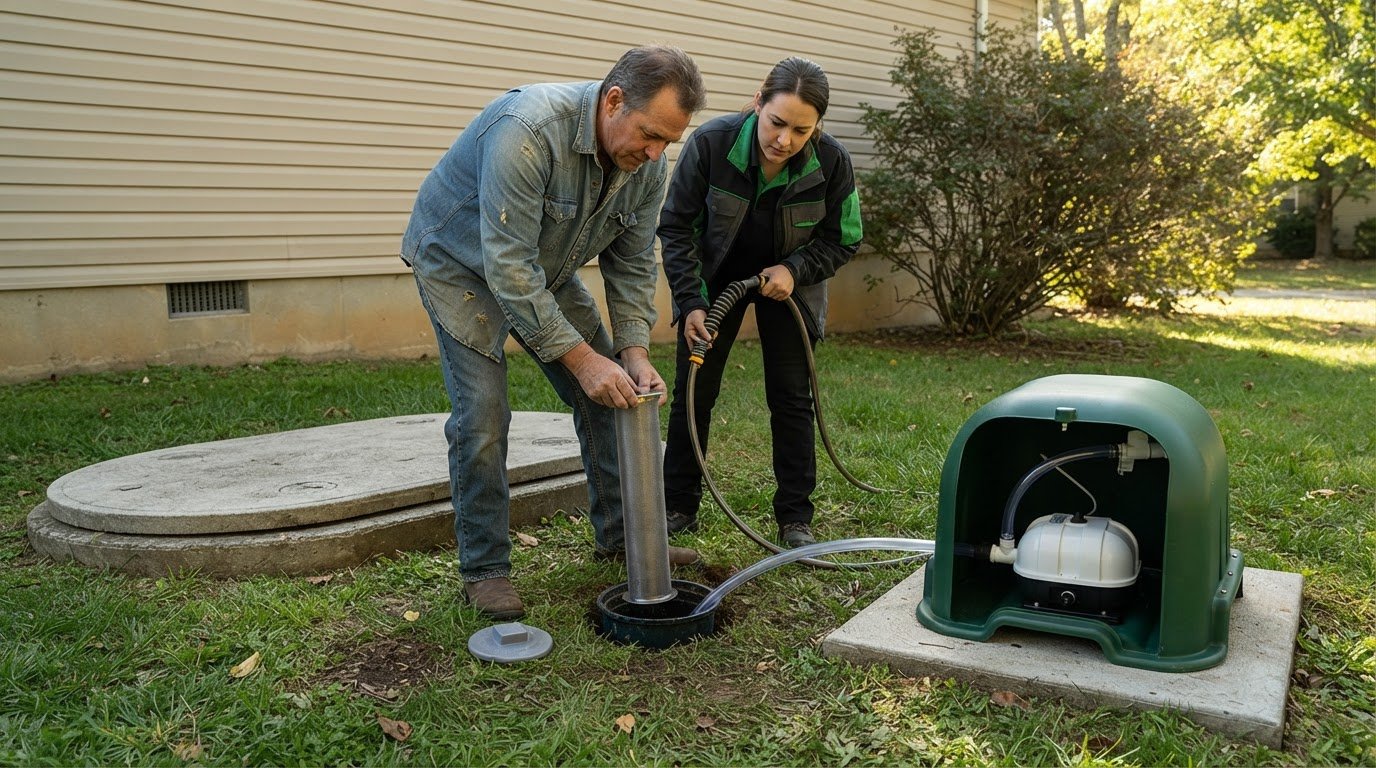
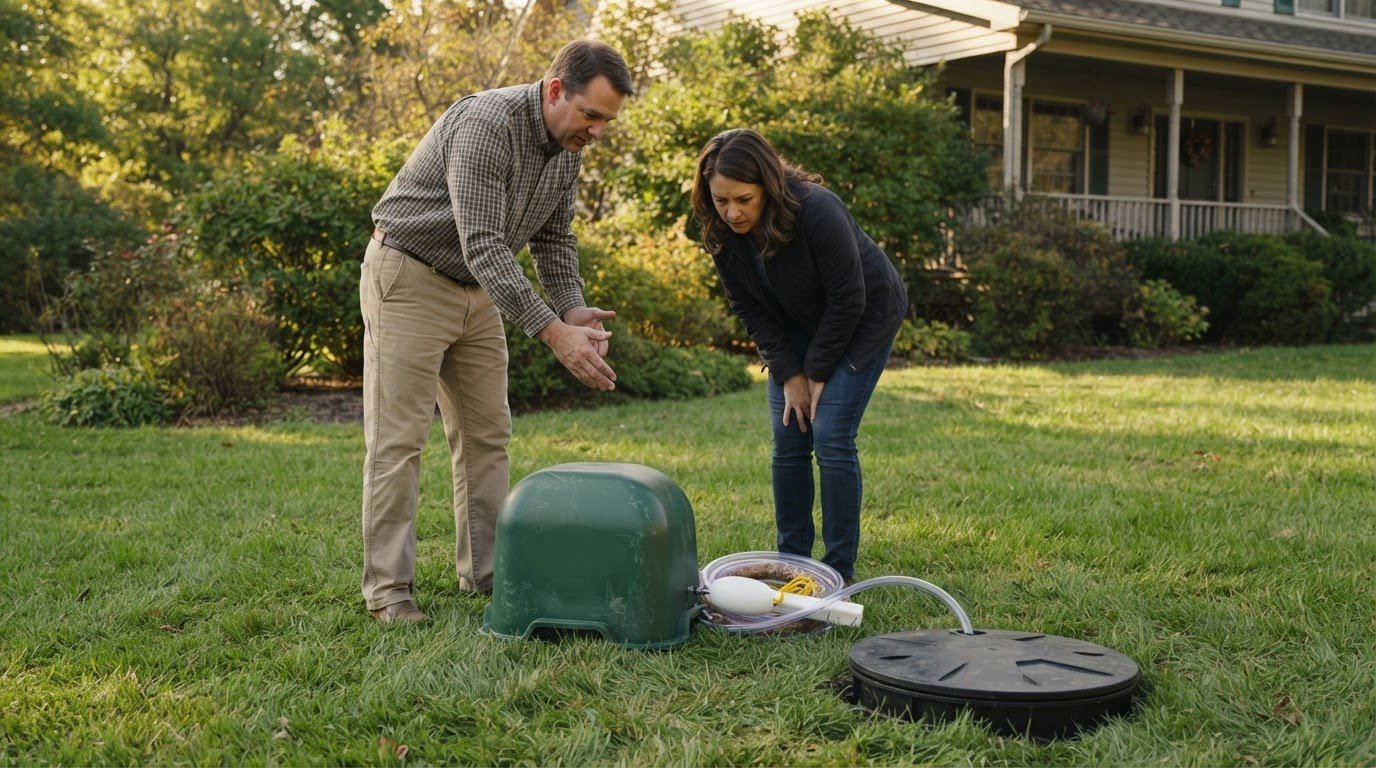
Aero-Stream offers septic treatment products for homeowners addressing system performance and effluent quality. Its options include Eco-Nest™ NSF/ANSI 40 Systems, Residential Remediator® Kits, Bio-Brush®, and Septic Tank Air Pumps. These offerings connect to the central treatment principle: adding oxygen can support aerobic bacteria as they break down waste.
An air pump supplies air to wastewater, promoting aerobic treatment. The Remediator process is designed to support septic system restoration and maintenance, while Bio-Brush® provides media used in treatment systems. The Aero-Stream® Remediator™ has a nearly 95 percent success rate. That result describes the Remediator, not a guaranteed outcome for every system or groundwater condition. Aero-Stream’s patented Controlled Septic Aeration Process distinguishes its approach from aeration products that do not specify a patented process.
For a home needing a treatment system, Eco-Nest™ NSF/ANSI 40 Systems are another option. The right approach depends on the existing system’s condition and the treatment need. Aeration products address treatment within a septic system; they don’t replace sound site design, appropriate operation, or attention to a failing tank or drainfield. If a well may be contaminated, water testing remains important because equipment alone cannot identify contaminants.
Choose based on the treatment task, not a broad performance slogan. Be wary of any company that cannot provide certified test data relevant to its product and intended use, and consider what the test conditions do and don’t establish. Aero-Stream’s products support aerobic treatment and septic system performance without treating every problem as the same. They may suit situations where wastewater treatment needs attention and an aeration-based approach fits the system.
For information about options for your septic system, contact Aero-Stream.
Frequently Asked Questions
What’s the Takeaway?
The practical takeaway for protecting local groundwater with better septic treatment is to keep clear records rather than rely on memory. Save well-test results, inspection findings, and repair dates together. Comparing successive test reports, for example, can help you notice a change and share useful details with local health officials. Dated records also help distinguish a new concern from a long-standing condition.
How do septic systems contaminate local groundwater?
Septic-related contamination can involve nitrate or bacterial indicators in well water. A laboratory result can identify a water-quality concern, but it can’t identify the source by itself. If results raise concerns, consider the well’s location in relation to nearby septic systems, groundwater direction, and site conditions. This broader assessment can help distinguish a possible septic contribution from other sources and guide what to investigate next.
Which septic treatment technologies best protect groundwater?
For protecting local groundwater with better septic treatment, favor a system with documented performance suited to the property’s wastewater flow and site conditions. Ask what the test results measure and whether they reflect the system’s intended use. NSF/ANSI 40 certification is one useful reference when evaluating residential treatment systems. Pair performance information with the design’s operating and maintenance requirements before deciding what fits.
How do advanced treatment septic systems compare with conventional systems?
Compare systems by the evidence and upkeep each requires, rather than assuming one category always performs better. Review documented treatment results, required maintenance, power needs, and how the design fits the property. An advanced system may include additional components that need monitoring, while a conventional system may depend more heavily on soil conditions. These differences affect long-term operation and should inform your choice.
How far should a septic system be from wells, waterways, and the water table?
Common guidance places a well at least 50 feet from a septic or holding tank, and a drainfield at least 100 feet from a well. These distances don’t establish a universal setback for waterways or every property. Water-table separation depends on local rules and site conditions. Before siting or changing a system, use the applicable state and county requirements for your property.