
A septic inspection can reveal problems a standard home inspection may not catch. In the United States, requirements for septic inspections during a home sale depend on state and local rules; in Massachusetts, an inspection generally must occur within 2 years before the sale. Even when no transfer requirement applies, a separate evaluation can help you spot visible concerns before closing. A septic system inspection checklist for home buyers helps you focus on the tank, baffles, lids, and drainfield, not just the home’s interior.
It’s easy to assume a general home inspection covers every major system. It may not include a detailed septic evaluation, and the report cannot guarantee future performance. A separate inspection before closing can clarify visible conditions and maintenance needs.
This guide explains when a septic inspection may be required, what to check, and how to read the findings. It also covers questions about the system’s age, service history, repairs, and drainage concerns, helping you make a more informed decision before closing.
Key Takeaways
- Find out whether state or local rules require an inspection before the sale, and arrange a separate septic evaluation when needed.
- Use a focused checklist to assess accessible tank components and look for drainage warning signs around the drainfield.
- Read the report for documented observations, maintenance recommendations, and concerns that may need further evaluation before closing.
- Learn how Aero-Stream® remediation products that support aerobic treatment may fit when a system’s condition calls for a closer look at treatment options.
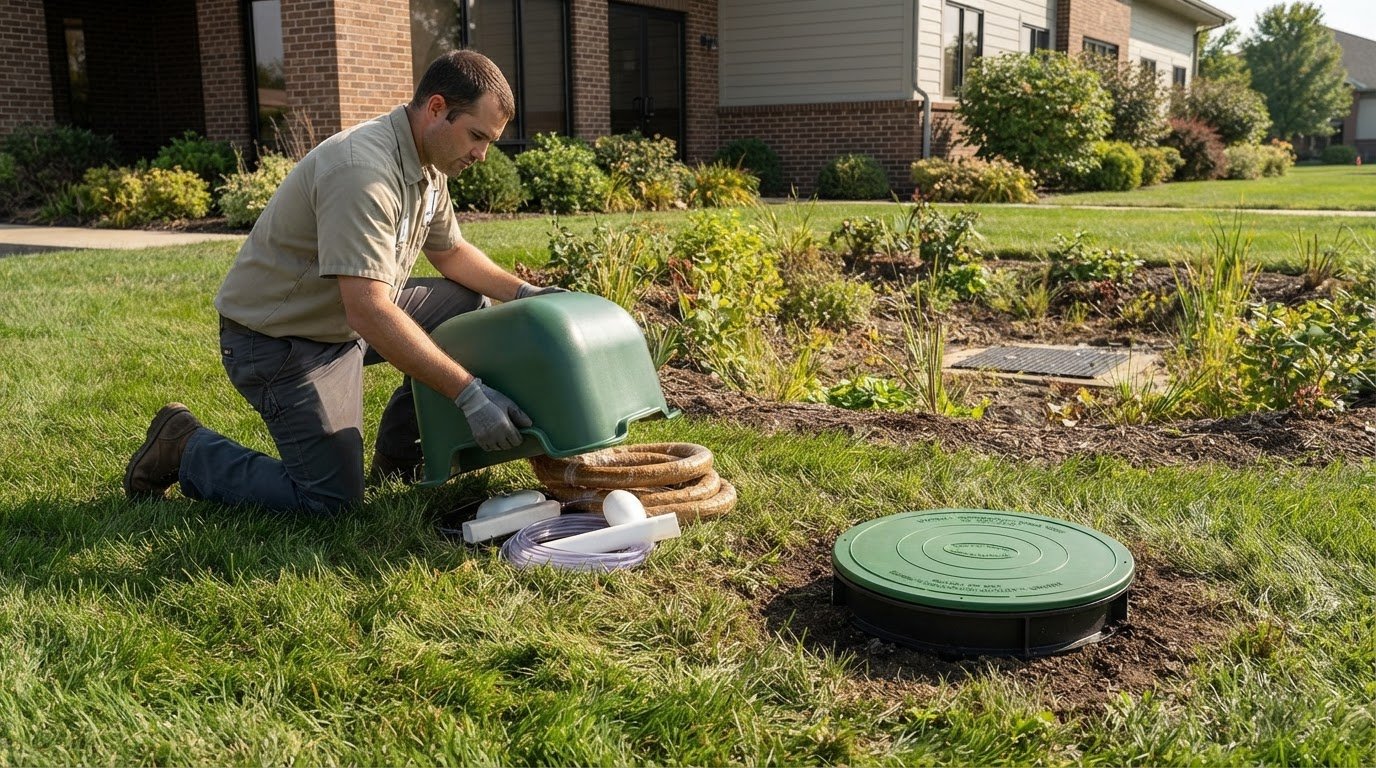
Inspection tasks such as checking the tank, baffles, lids, and drainfield
For real estate purchasing, arrange a detailed septic evaluation, not just a general home inspection. Location, access, property size, system type, and inspection scope affect the cost.
- Check the Septic Tank for visible cracks, deterioration, seepage, or other evidence of leaks; document any damage for the report.
- Inspect accessible lids and risers for damage or poor fit; secure covers help prevent accidental access to the tank.
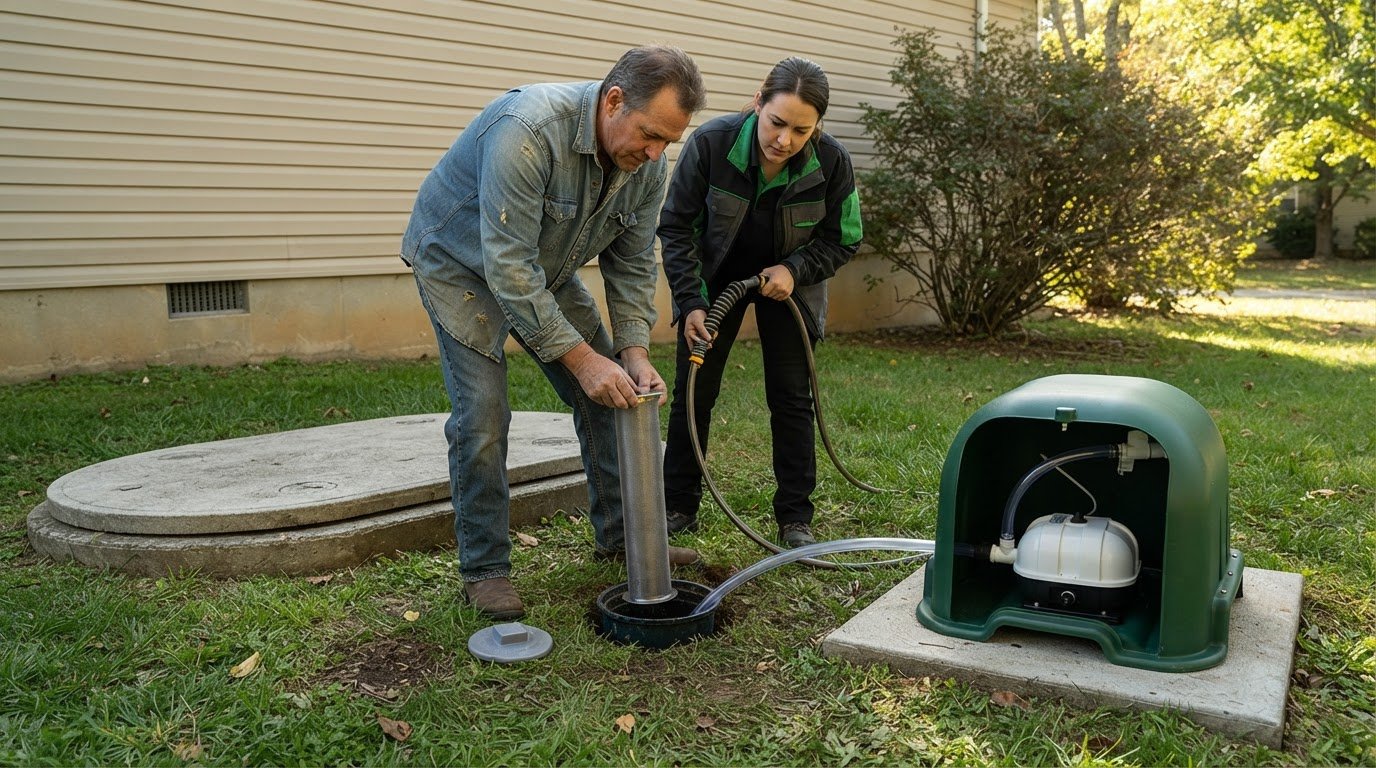
- Assess the Effluent Baffle and Effluent Filter, if present; damage or blockage can affect how solids are kept out of the outlet.
- Walk the drainfield and note standing water, unusually soft ground, excessive vegetation, or sewage odors; these can signal drainage concerns.
- Look for seepage or persistent dampness near the tank and foundation; record the location because visible leaks need assessment.
Should the tank be pumped before or during inspection? Don’t assume it must be pumped beforehand. Coordinate pumping with the inspection, since a tank pumped less than 30 days earlier may make normal wastewater flow harder to confirm and could prompt a hydraulic load test.
How can you check pumping and maintenance records? Request dated pumping receipts, repair records, and notes about past failures or drainage concerns. Compare the dates and details with the inspector’s observations.
How long does the inspection take, and what does it involve? Many home inspections take approximately two to four hours, depending on the property’s size, age, and condition. Septic inspection time varies with access and scope.
What Is Included in a Septic Tank Inspection Report?
During the home-buying process, remember that a standard home inspection does not include a detailed septic system evaluation. It covers visible, accessible property components, so buried tanks, internal baffles, and drainfield performance may not be thoroughly assessed. Review the inspection agreement to see which systems and services are included.
A separate septic report records the system description, property information, inspection date, visible observations, concerns, and maintenance recommendations. Photos may document conditions, while recommendations for further evaluation flag questions that need closer attention before closing.
- Standing water: Note water pooling over or near the drainfield, especially when nearby ground is otherwise dry; this can indicate a drainage concern.
- Soft or spongy ground: Record where the soil feels unusually soft, since concentrated dampness may point to poor effluent dispersal.
- Excessive vegetation: Document unusually lush growth over one area of the drainfield; uneven plant growth can accompany excess moisture.
- Other visible changes: Report sewage odors or wet patches near the drainfield, including their location and extent, for the inspector’s assessment.
These signs don’t determine the system’s condition on their own. Their location, extent, and relationship to system components help an inspector decide whether further evaluation is appropriate. A dry surface during the inspection also cannot show how the drainfield performs under different conditions.
Use the report to distinguish observed conditions from recommendations. For example, a photo of standing water documents a visible finding; a recommendation for further evaluation identifies a next step, not a confirmed diagnosis. Keep the report with the property records and use its system description and maintenance notes to plan follow-up after purchase.
Inspection report contents and interpreting findings
A septic inspection report documents the inspection date, property details, system description, visible observations, concerns, maintenance recommendations, and suggestions for further evaluation. Photographs can show damage or component locations. The findings describe observed conditions, not a simple pass-or-fail result or a guarantee of future function. A home inspection report typically reaches buyers within 48 hours.
Read each observation alongside the inspector’s recommendation. Separate what was seen from what may need further evaluation:
- Observed damage: Note the affected component and the report’s description, such as a cracked lid or damaged baffle.
- Maintenance: Check whether pumping or another routine task is recommended, and review related maintenance records.
- Further evaluation: Identify any item needing additional assessment before the real estate closing.
- Photos: Match each image to the report’s location and system description to understand the finding.
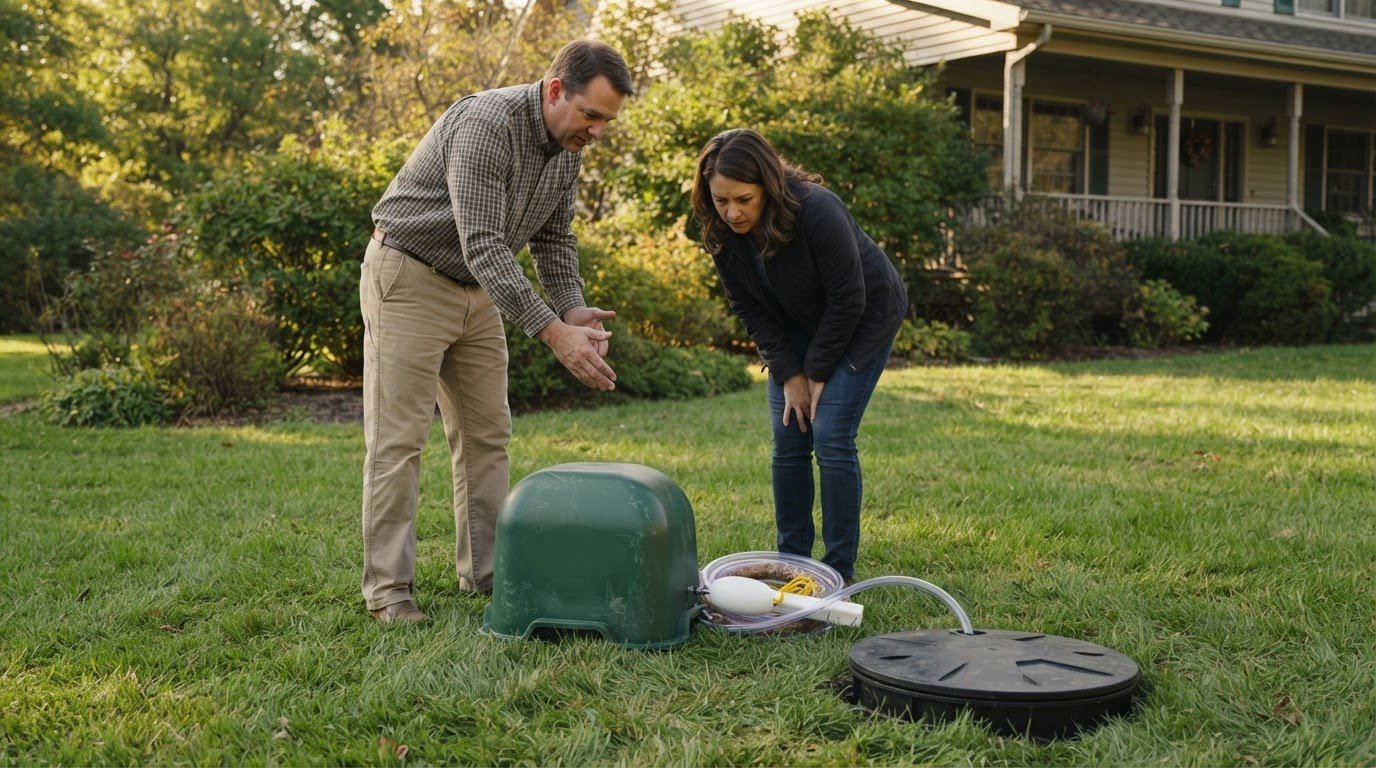
Attend the inspection when possible. You can ask the inspector to explain an observation while viewing the relevant component. For example, ask whether a photo shows visible damage or a condition that needs additional evaluation. This helps you distinguish a documented concern from a confirmed system failure.
For a certified septic inspector, first identify the requirements that apply to the property. In Massachusetts, a Title 5 compliance inspection must be conducted by a MassDEP-approved individual. Across other locations, use applicable local requirements to determine which credentials qualify. Keep the inspector’s findings and recommendations with the estate records.
Before closing, review the full report, not only its summary. If significant concerns appear, the report may recommend further evaluation by a qualified septic contractor before you finalize the purchase. An inspection is useful education for planning, but it cannot predict every future failure.

Why buyers should inspect septic systems before closing
A separate septic inspection before closing provides documented information about an underground system that a standard home inspection may not assess. A septic system inspection checklist for home buyers helps organize system history, visible concerns, and follow-up questions. Seller disclosures and service records add context, but they don’t establish the system’s current condition on their own.
The financial stakes can be substantial. Finding a concern before closing gives you time to understand the report and consider next steps before taking responsibility for the property. A septic system inspection checklist for home buyers helps keep findings and records together during that review.
- Confirm transfer rules: Some Pennsylvania townships require septic inspections when a property changes hands.
- Check Massachusetts requirements: A property-sale inspection generally must occur within 2 years before the sale.
- Review records: Gather available pumping, repair, and maintenance documents to understand the system’s history.
- Address findings before closing: Use documented concerns to plan follow-up and discuss the property’s condition during the transaction.
Environmental requirements depend on location. Some Pennsylvania townships also require hydraulic load testing or soil percolation evaluations during property transfers. In Massachusetts, weather that prevents a pre-sale inspection allows it within 6 months after the sale. Confirm which local transfer rules apply to the property before finalizing your timeline.
Make the inspection part of due diligence, not an afterthought. Schedule it early enough to review the findings before closing, then compare observations with seller records. If the report identifies a concern, understand its scope and recommended next step before deciding how to proceed with the purchase.
Aero-Stream® Remediation Options for Home Buyers
Aero-Stream® offers septic treatment products for buyers considering options after an inspection identifies treatment concerns. Its aerobic treatment products may suit a system with treatment issues, but they don’t replace an assessment of tank damage or drainfield drainage problems. Use the inspection findings to identify the issue before considering treatment.
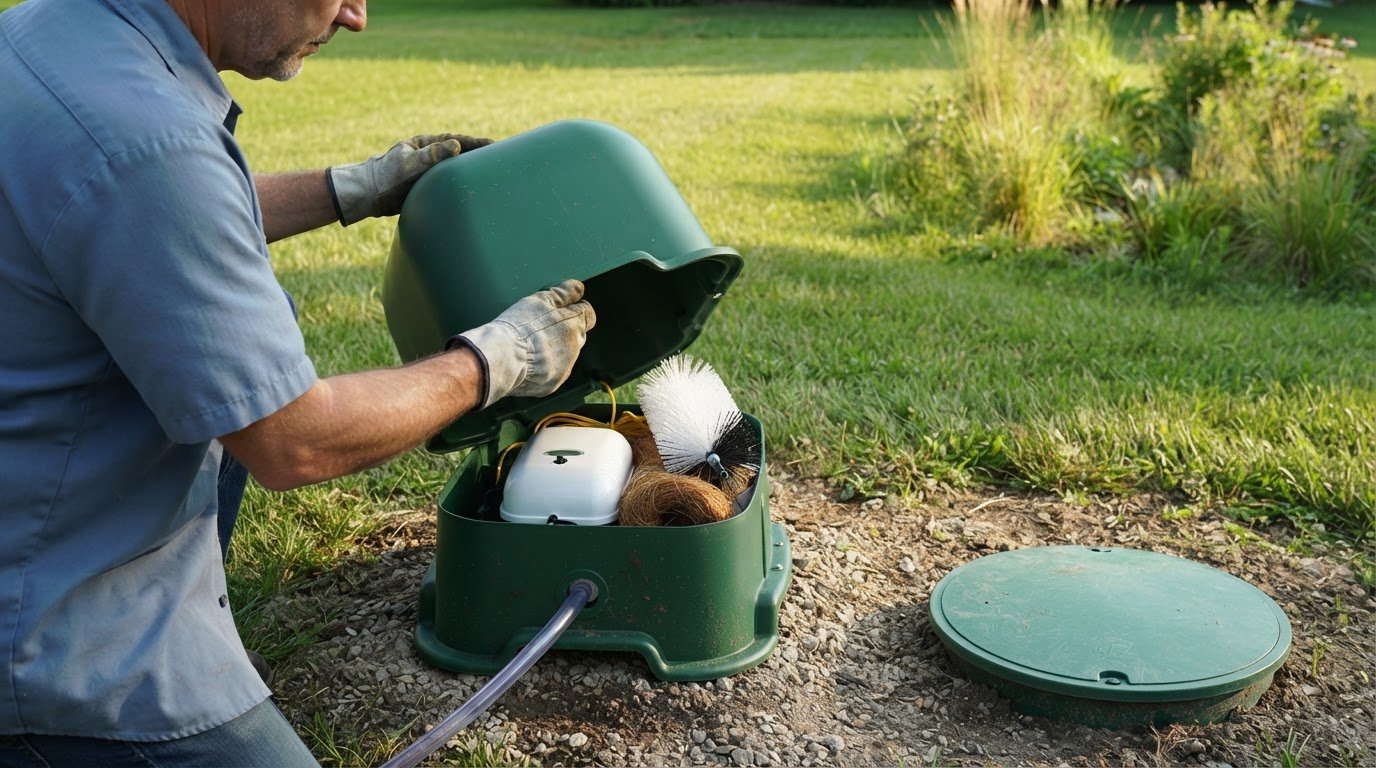
Residential Remediator® Kits and Septic Tank Air Pumps support aerobic treatment. An air pump adds oxygen to wastewater, supporting aerobic bacteria as they break down waste. Bio-Brush® provides treatment media, while Eco-Nest™ NSF/ANSI 40 Systems offer another treatment-system option. Aero-Stream’s approach focuses on aerobic treatment to improve effluent quality and address bio-mat, a biological layer that can reduce soil permeability in the drainfield.
Match the product to the documented condition. If a report identifies treatment concerns but no tank damage, review the system description and maintenance history before considering aerobic treatment. If it notes a cracked tank, a leaking component, or drainage trouble, a treatment product alone may not address that physical condition. Keep treatment questions separate from structural or soil concerns.
Evaluate technical claims carefully. Ask which test data applies to a product and what conditions it covers. A test result is useful only if it measures the performance issue relevant to the system. Don’t treat an unsupported number as proof; compare claims with the inspection findings instead of relying on a general promise of performance.
Aero-Stream products are designed to restore and maintain septic systems through aerobic treatment. The system type, inspection report, and maintenance history help determine whether a product fits the situation. If the findings point to another kind of problem, use the report’s recommended next steps to understand its scope.
To discuss how Aero-Stream products relate to your inspection findings, contact Aero-Stream.
Frequently Asked Questions
When are system inspections required?
Requirements depend on state and local rules, and some apply specifically to property transfers. In Massachusetts, shared septic systems must be inspected every 3 years. A newly constructed or upgraded system with a Certificate of Compliance may qualify for a transfer inspection exemption. Check the applicable transfer requirements early, since timing and exemptions can affect when the inspection must happen.
What Happens After the Inspection?
After the inspection, use the written findings to decide whether you need further evaluation before closing. If the report raises a concern, identify the affected component and recommended next step, then discuss the finding during the purchase process. Keep the report with the home’s records. It can also help you plan septic system maintenance after taking ownership.
What Is Not Included in a Standard Home Inspection?
A standard home inspection does not include a detailed septic system evaluation. It generally covers visible, accessible property components, so a clean-looking yard or accessible tank cover does not establish how the full system operates. Check the inspection agreement for its stated scope, then arrange a separate septic evaluation if you need information about buried components or wastewater treatment.
What should a home buyer’s septic system inspection checklist include?
Include the system’s type and age, available pumping and repair history, previous failures, and known drainage concerns. Compare the dates in the records with the seller’s description and inspection findings. Leave space for unresolved questions and recommended follow-up. This makes it easier to organize your septic system inspection checklist for home buyers before making decisions about the property.
Who is qualified to inspect a septic system before buying a home?
Use an inspector who meets the requirements for the property’s location and the inspection’s purpose. For example, a Massachusetts Title 5 compliance inspection must be conducted by a MassDEP-approved individual. A real estate evaluation and a regulatory compliance inspection may serve different purposes, so confirm that the inspector’s qualifications fit the required inspection.
What septic system components should an inspector examine?
An inspection may cover accessible tank lids, the Effluent Baffle, an Effluent Filter, and the drainfield. For an aerobic system, the inspector can also identify the air blower and aeration chamber in the system description. Ask the inspector to distinguish components that were observed from those that could not be accessed, so you understand exactly what the findings cover.