
Neglecting septic maintenance can turn a routine upkeep issue into a sewage backup, drainfield failure, or contamination of soil and water. These consequences of neglecting septic maintenance can also harm property and wildlife, while delaying attention may leave you facing extensive repairs or replacement. The U.S. Environmental Protection Agency recommends having a septic tank pumped every three to five years; the right interval depends on tank capacity, household size, and water use.
It’s easy to put septic maintenance off when the drains still work and there’s no obvious smell. But problems can develop out of sight, then surface as slow drains, gurgling toilets, pooling water, or wastewater backing up into your home. Take these signs seriously and act promptly.
This article explains how neglected septic maintenance can affect health, the environment, your property, and repair costs. You’ll also learn why pumping alone may not solve every problem and how aerobic treatment can support system performance when routine upkeep isn’t enough.
Key Takeaways
- Recognize warning signs such as slow drains, sewage odors, or pooling water before wastewater reaches the drainfield.
- Learn how system failure can affect soil, waterways, wildlife, and the safety of your home.
- Understand why early attention may limit property damage and help avoid more extensive repairs or replacement.
- See how aerobic treatment products, including Residential Remediator® Kits, may fit when routine maintenance alone isn’t enough.
Preventing contamination before wastewater reaches the drain field
A failing septic system can release untreated wastewater before the soil has a chance to filter it. This may contaminate private wells, groundwater, and nearby waterways with harmful pathogens.
Waterborne Disease Risks
Waterborne disease risks arise when sewage pathogens reach a well or other water supply. E. coli, Giardia, and hepatitis are examples associated with septic system failure. People may be exposed to illness-causing organisms if they use contaminated water for drinking or food preparation. A maintained septic system treats wastewater before discharge, but a nearby leak can still threaten a well if the failure goes unnoticed.
Groundwater Contamination
Groundwater can become contaminated when untreated wastewater escapes a tank or drainfield and moves through the surrounding soil. Soil filters some pollutants, but a failing system may release bacteria, viruses, nitrogen, and phosphorus faster than treatment can reduce them. Contaminated groundwater may feed private wells, springs, or streams. Overflow can also carry waste over the ground into a ditch or waterway, spreading contamination beyond the system.
Inspection and Pumping Frequency
An inspection checks the system’s condition, while pumping removes accumulated solids. The U.S. Environmental Protection Agency recommends pumping a septic tank every three to five years; inspections are often recommended every one to three years. Tank capacity, household size, water use, and measured solids all affect pumping timing. Inspections can reveal leaks, faulty pipe joints, damaged baffles, or rising wastewater levels before solids reach the drainfield. Keep maintenance records accessible.
Limit what enters the system: keep chemicals, non-biodegradable materials, and excess food waste out. Reduce water use to avoid pushing solids toward the drainfield. During visual checks, look for pooling water or sewage odors near the field, which can signal that wastewater is not absorbing properly. Acting on these signs can help limit contamination before it reaches a well or waterway.
Damage to local ecosystems and property
The consequences of neglecting septic maintenance extend beyond a malfunctioning tank. Leaks, blockages, and backups can damage structures and disrupt wastewater flow across your property.
Leaks and Foundation Damage
A leak releases wastewater into the soil around a tank, pipe, or foundation. Ongoing saturation can weaken the ground supporting a home, and severe septic failures can damage its foundation. Wet patches along a pipe route or near the tank may signal a problem, especially if plumbing performance also changes. An inspection can locate faulty connections before a leak spreads.
Plumbing Blockages and Pipe Damage
Grease, solids, and debris can collect in pipes and restrict wastewater flow. A blockage may affect several fixtures, not just one sink or toilet. If drains slow throughout the house, the cause could involve a shared line or septic component. Routine inspections can reveal buildup or damage, while reducing excess water helps limit strain on pipes and the drainfield.
Sewage Backups and Property Damage
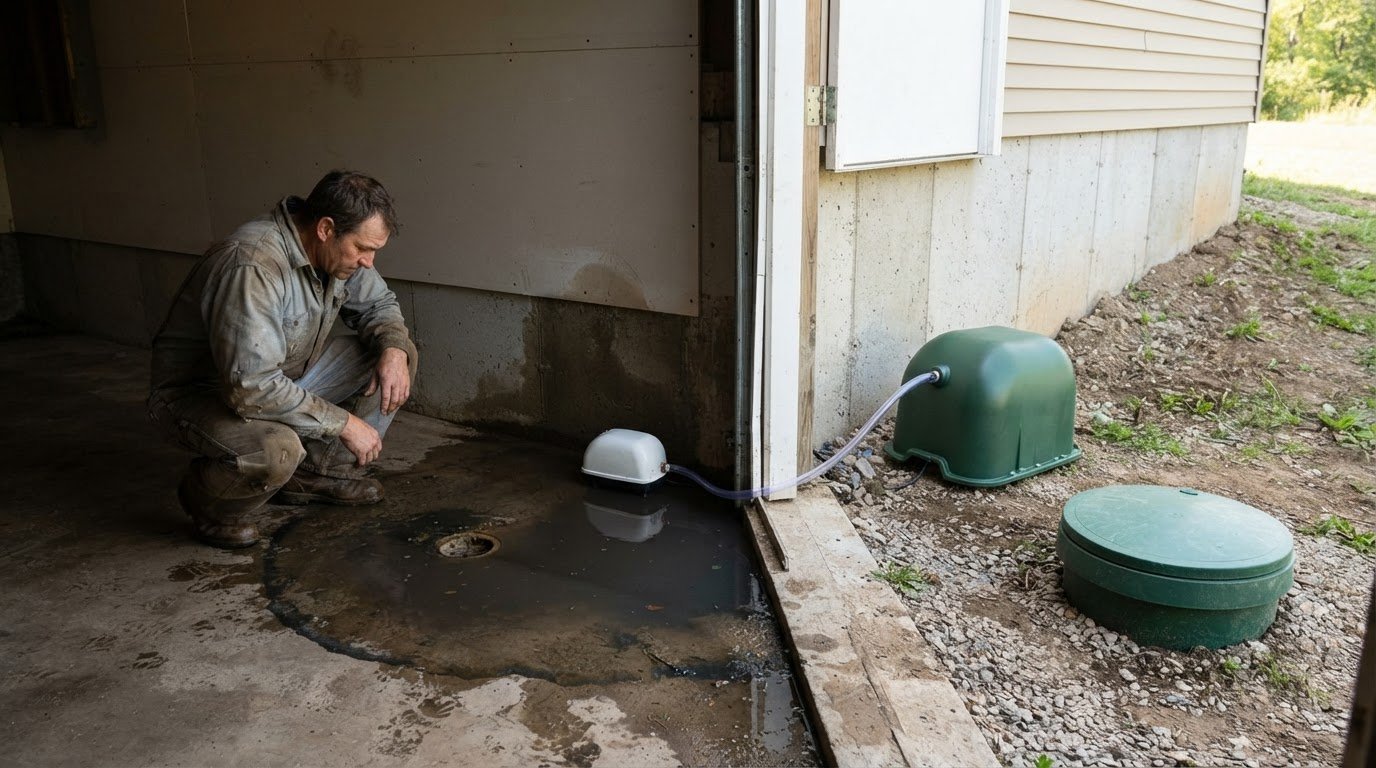
A sewage backup occurs when wastewater cannot flow through the system and returns through household drains. Sewage can reach toilets, sinks, or floor drains, damaging flooring and carpets and creating unsanitary conditions. Repeated backups may point to a clogged line, a full tank, or poor drainfield absorption. Reduce water use and arrange an inspection to identify the cause.
Signs of System Failure
Warning signs include sewage odors, slow drains, gurgling toilets, recurring backups, and pooling water near the drainfield. One slow fixture may have a local blockage, but several symptoms together can indicate a wider system problem. Note where symptoms occur and whether they return after use. This record can help an inspection focus on the affected plumbing or septic components.
Understanding the consequences of neglecting septic maintenance can help you act before damage spreads. If system performance concerns you, septic system aeration options may be relevant to restoring treatment.

Environmental damage to waterways and wildlife
A septic system failure can send wastewater beyond your property. Overflow or a leaking drainfield may carry pollutants toward nearby streams, lakes, and groundwater.
Bacteria, Nitrates, and Phosphorus
Septic wastewater can contain bacteria, nitrates, and phosphorus that affect water quality. Bacteria may introduce pathogens, while excess nutrients can encourage algal blooms in lakes and streams. As algae grow and die, water conditions can deteriorate and aquatic life may be harmed. For homeowners near a water body, a leaking pipe or saturated drainfield can turn a household system problem into a wider pollution concern.
Waterway and Ecosystem Pollution
Waterway pollution occurs when septic pollutants enter a stream, lake, or wetland and alter its water chemistry. Nutrient-rich runoff can contribute to algal blooms, while bacteria can create health concerns for people and animals exposed to contaminated water. Wildlife depends on suitable water conditions and functioning habitats. An unexpected overflow near a drainage ditch, for example, can carry wastewater toward a connected creek and spread the impact beyond the original failure.
Groundwater and Drinking Water Risks
Groundwater is at risk when untreated wastewater moves through soil into underground water supplies. A private well may draw from groundwater, so a nearby septic failure can threaten household water. Soil may filter some contaminants, but it cannot make an overloaded or leaking system function properly. Keep inspection and cleaning records, and respond promptly to pooling water or sewage odors around the drainfield.
You can reduce strain on the system by spreading laundry loads across the week and keeping vehicles off the drainfield. Avoid pouring chemicals or excess food waste down household drains, since they can disrupt treatment or add solids. These steps support normal septic function, but visible overflow, persistent wet spots, or recurring odors call for prompt attention to the system’s condition and the path wastewater may take toward nearby water.
Repair and replacement considerations
The consequences of neglecting septic maintenance can include damage that spreads as a small fault affects more of the system. The work needed depends on the failed component and any damage to surrounding areas.
State and county requirements for septic inspections, pumping, and repairs can differ. Local environmental regulations and system type shape the applicable rules, so no single nationwide schedule replaces local requirements.
Emergency repairs
Emergency repairs address sudden blockages or failures that need immediate attention. If sewage reaches the home or nearby water sources, arrange prompt evaluation. Addressing a new backup promptly can limit how long wastewater remains untreated or backs up.
Repair scope
A defect can affect connected components. A leaking pipe can saturate soil, while a drainfield that no longer absorbs wastewater may require broader work. The work needed depends on the failed component and damage to surrounding areas.
Regular maintenance can help identify developing problems before they become urgent. Inspection findings can help determine whether maintenance or repairs are needed. Pumping alone cannot fix a damaged pipe, faulty baffle, or drainfield failure, so inspection findings matter when deciding what work is needed.
Keep service and inspection records with your household documents. If pumping history is unclear, an inspection can assess sludge levels and system condition. If wastewater backs up, reduce water use and arrange prompt evaluation. Early attention can help protect your property and limit further damage.
Aero-Stream
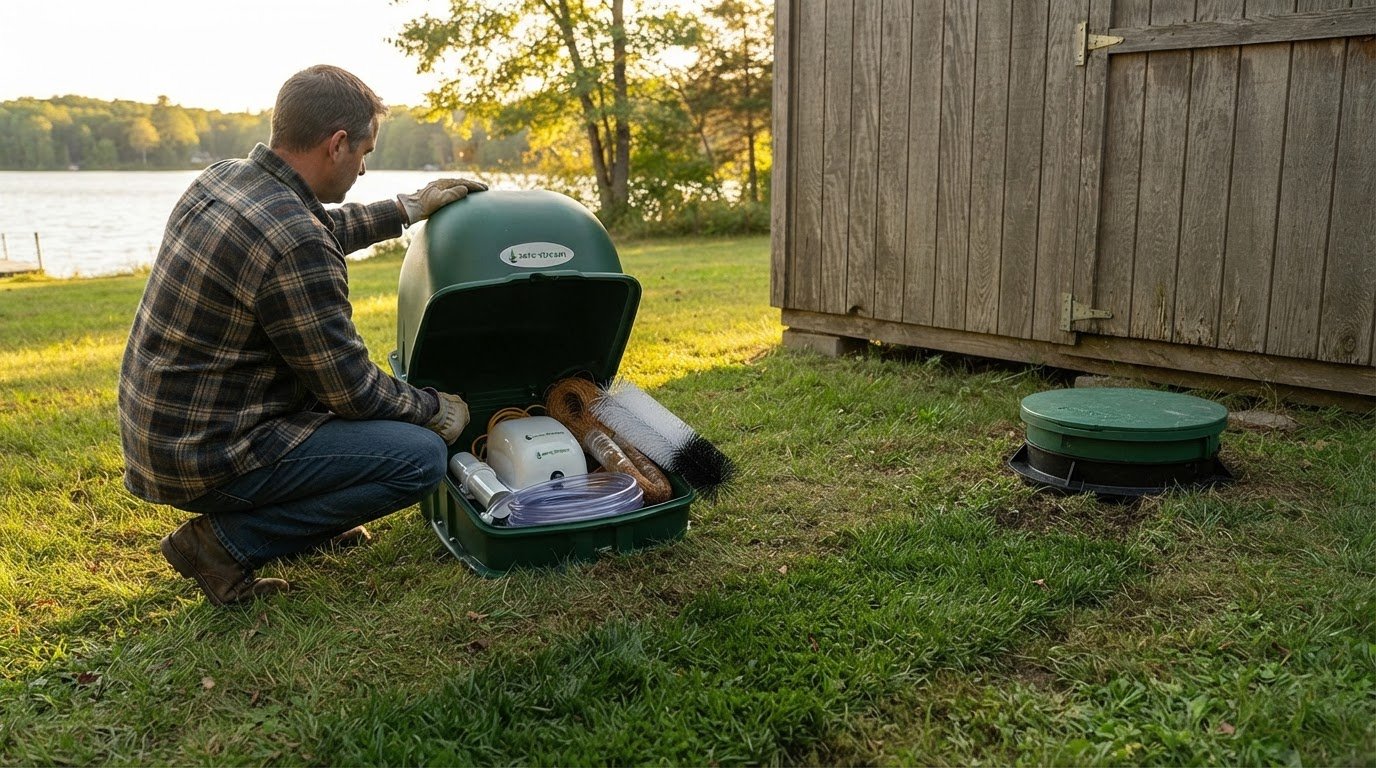
Aero-Stream offers septic system products for homeowners addressing treatment problems and maintenance concerns. Its Eco-Nest™ NSF/ANSI 40 Systems and Residential Remediator® Kits are product options; no test data is provided here to verify their treatment performance. Septic Tank Air Pumps and Bio-Brush® are also available as system components.
If your system shows signs of poor treatment, recurring odors, or drainfield trouble, first identify what is failing. A product cannot resolve every issue, and pumping or a damaged component may require separate attention. Matching equipment to the system’s condition matters. Aero-Stream offers aerobic treatment products, including Remediator® Kits and Eco-Nest™ systems; check for certified test data when evaluating their performance.
Explore Aero-Stream’s septic treatment products to find an option suited to your system’s needs.
Choose a Practical Next Step for Your Septic System
Understanding the consequences of neglecting septic maintenance can help you make a timely, informed decision. Start by assessing your system’s condition and the problem it needs to address. Routine care, a repair, and treatment equipment serve different purposes, so match the response to the issue.
Aero-Stream offers Eco-Nest™ NSF/ANSI 40 Systems, Residential Remediator® Kits, and Bio-Brush®. These options support homeowners looking at septic treatment products. Consider what you’ve observed, such as recurring odors, slow drainage, or wet areas, and use that information to guide your next conversation. Clear records of past maintenance and repairs can also help explain the system’s history.
You don’t have to wait for a full system failure to explore your options. Contact Aero-Stream about septic system options and discuss a practical next step for your situation.
With clear information and an appropriate response, you can move forward with greater confidence.
Frequently Asked Questions
What Happens If You Neglect Septic Pumping?
As solids accumulate, they can move out of the septic tank and into the drainfield, where they interfere with wastewater absorption. This can contribute to clogs, backups, and system failure. The U.S. Environmental Protection Agency recommends pumping a septic tank every three to five years. Household size, water use, and tank capacity affect the interval, so keep service records to track your system’s history.
What happens when a septic tank is not pumped or maintained?
Without pumping and other care, solids can build up while hidden problems, such as a damaged component or leaking connection, go unnoticed. Pumping removes accumulated solids, but it cannot fix every mechanical or structural fault. For example, a recently pumped tank may still drain poorly because a pipe or baffle is damaged. Inspection findings help distinguish between these problems.
How is septic system repair or replacement evaluated after neglect?
The right course depends on the failed component and the extent of damage. An inspection can help determine whether a repair may address the problem or whether the system needs replacement. Ask for a written assessment that identifies the issue and explains the recommended work. Keep inspection and maintenance records to help document the system’s history.
What health risks come from a failing septic system?
A failing system can expose people to sewage containing bacteria, viruses, and other pathogens. Contaminated water may cause gastrointestinal infections and other diseases. If a private well or household water supply may have been affected, don’t assume clear-looking water is safe. E. coli and Giardia are examples of pathogens associated with septic failures. Contamination can also reach nearby water sources through leaks or overflow.
Can homeowners be fined or held liable for septic system neglect?
Homeowners may face cleanup costs or legal penalties if a malfunctioning septic system causes environmental damage or health risks. Whether consequences apply depends on the circumstances and the rules governing the property. Keep records of inspections, pumping, and repairs, including dates and work performed. This documentation can help establish what maintenance occurred if a system problem leads to a complaint or cleanup issue.
What steps can homeowners take to prevent septic system problems?
Keep a maintenance log with service dates, work performed, and notes about changing symptoms. Spread water-heavy household tasks across the week instead of sending large volumes through the system at once. Keep vehicles and heavy equipment off the drainfield, and avoid flushing non-biodegradable materials or pouring chemicals down drains. If odors, backups, or wet spots appear, record where they occur and arrange an inspection.