What if the layer clogging your drainfield is also part of wastewater treatment? Knowing how to eliminate biomat in a septic drainfield starts with this distinction: biomat is a natural biological layer. The goal is to control excessive buildup and restore wastewater flow, not remove every trace of it. Pumping can reduce solids in the septic tank, but it won’t by itself fix a drainfield problem.
Slow drains, odors, or pooling water can point to biological buildup or mechanical damage. These problems need different responses, and treating the wrong cause can waste time while the system continues to struggle.
This guide explains what biomat does, how it forms, and how to distinguish biological failure from mechanical trouble. You’ll also learn how pumping and routine maintenance support system performance, and how aerobic treatment may address excessive biomat without full system excavation.
Key Takeaways
- Biomat plays a role in wastewater treatment, but excessive buildup can restrict how well a drainfield absorbs effluent.
- Aeration can support aerobic bacteria that help manage biomat, though the right approach depends on what is impairing system performance.
- Pooling water, slow drains, and odors can signal trouble; distinguishing biological buildup from mechanical damage helps guide the response.
- Pumping helps manage solids in the Septic Tank, while water-use habits and routine maintenance also affect drainfield performance.
What is “Septic System Biomat” in Your Septic System?
Biomat is a naturally occurring layer of microorganisms and organic material on the bottoms and sides of drainfield trenches. It helps treat effluent before the soil absorbs it, but excessive growth can restrict flow.
Aerobic Bacteria and Aeration
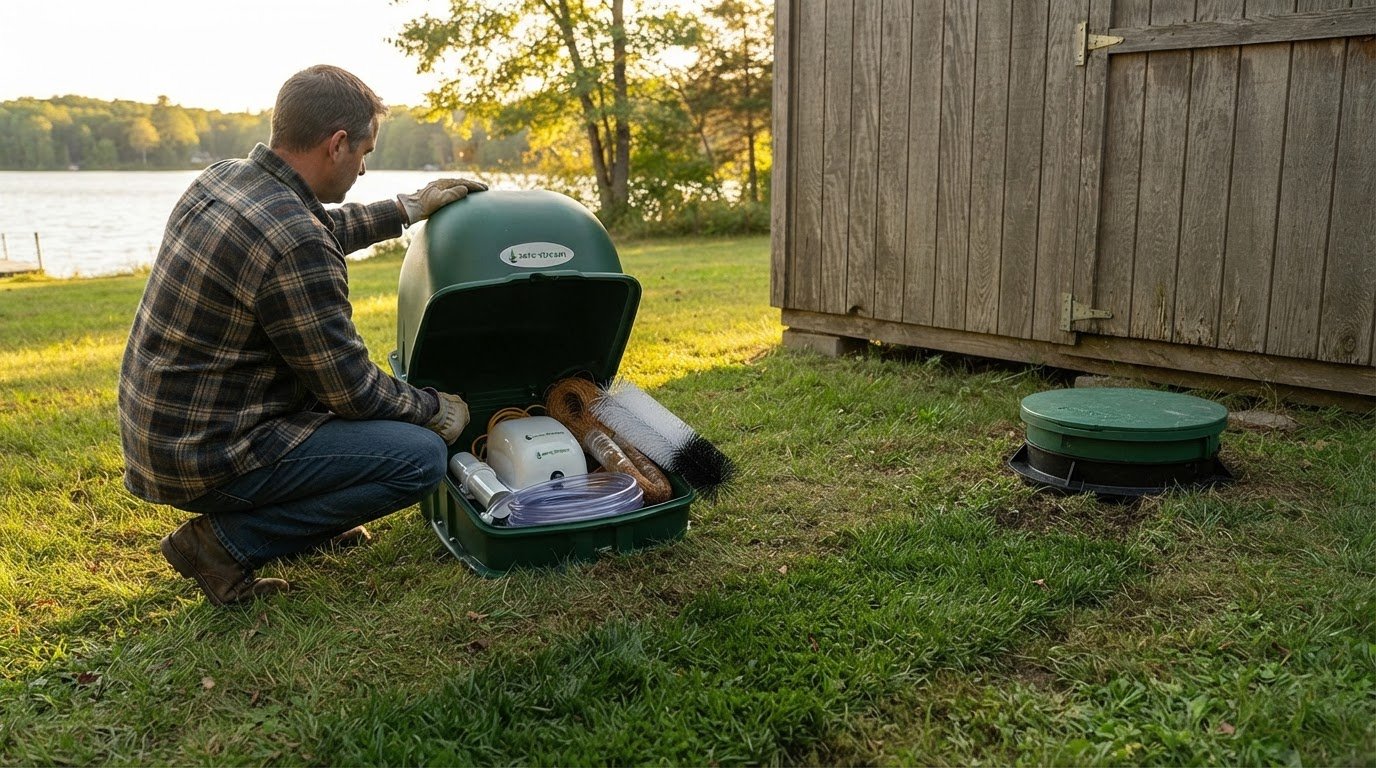
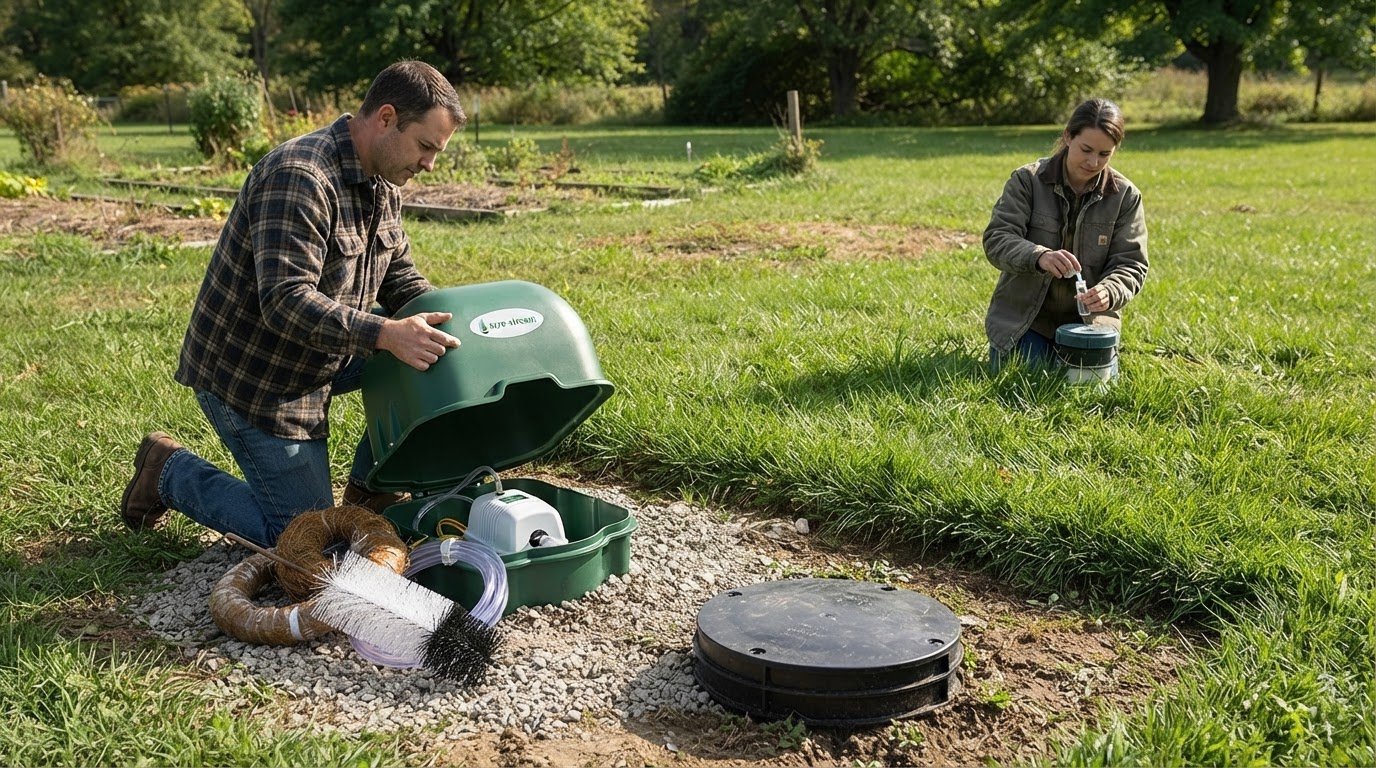
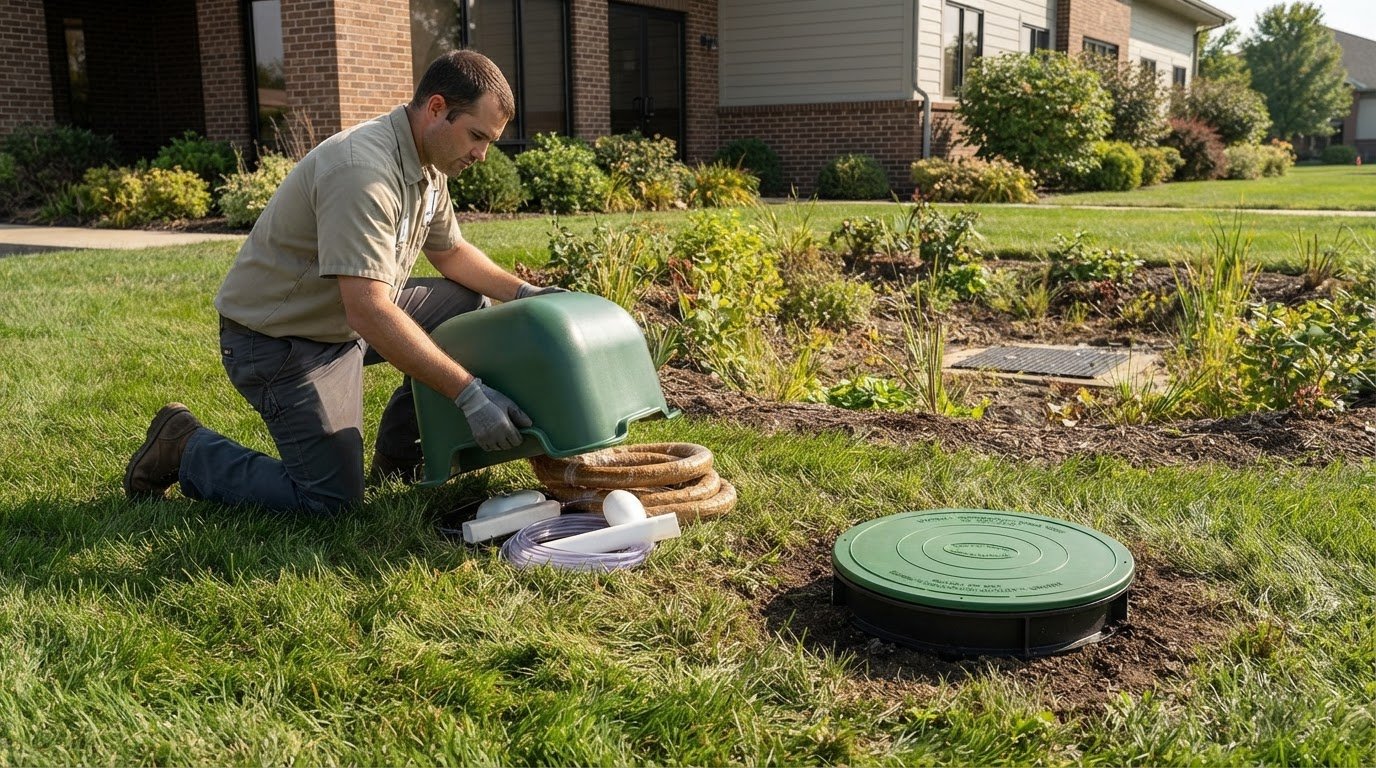
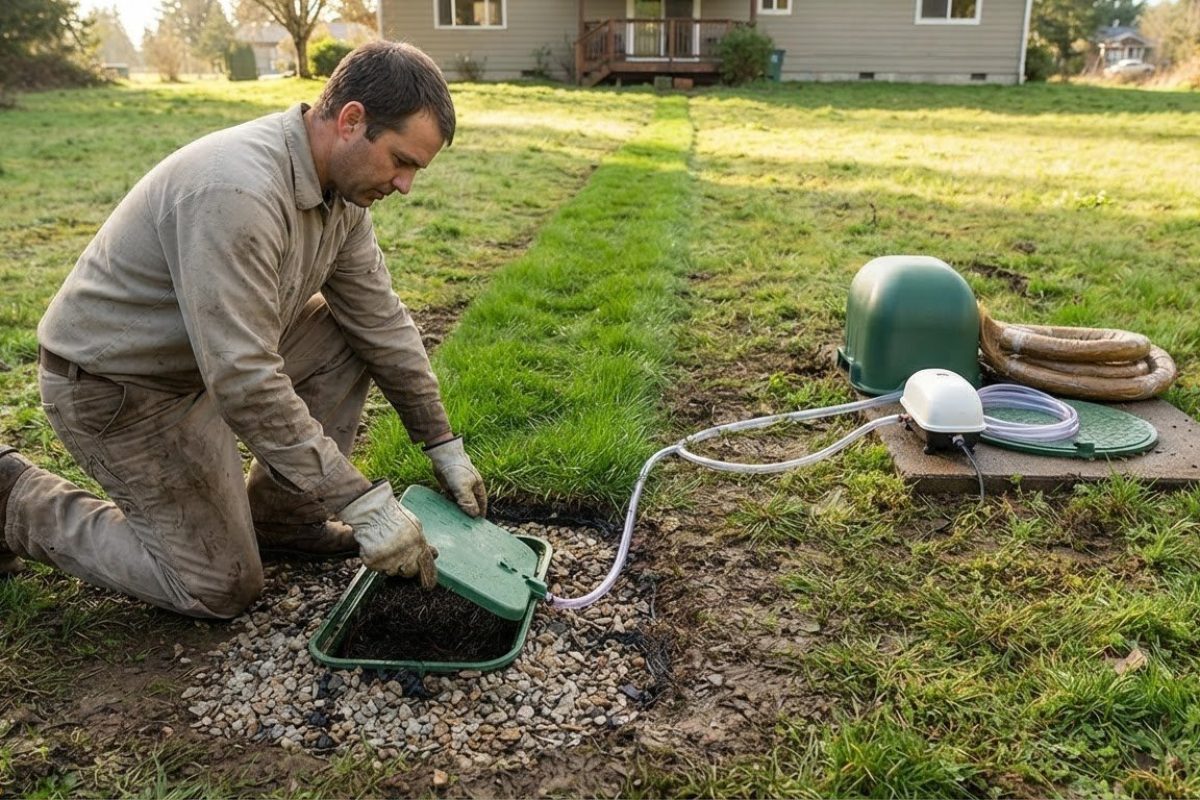
Aeration introduces oxygen to wastewater, supporting aerobic bacteria that break down waste. This approach may help address excessive biomat by supporting biological treatment before effluent reaches the drainfield. Aero-Stream’s patented aerobic bio-remediation process adds air to support this activity. Aeration does not repair broken pipes or compacted trench soil.
Controlling Biomat Thickness
Aerobic bacteria in the soil around a drainfield trench feed on biomat and help limit its thickness. They work alongside anaerobic organisms within the biomat, which consume organic matter in septic wastewater. If flooding harms aerobic colonies, biomat can grow into a layer that restricts wastewater movement. The aim is to manage its thickness, not eliminate this natural treatment layer entirely.
Treatment or repair costs depend on the work required, including whether the problem is excessive biomat, a blockage, or damaged drainfield components. Aeration and mechanical repair address different causes, so diagnosis determines the appropriate scope of work.
Available approaches include aerobic treatment, which supports bacteria that break down waste, and mechanical repair when pipes or trench materials are damaged. Aeration can support biological treatment, but it cannot fix a broken pipe or compacted soil.
A conventional Septic Tank sends 70 to 80% raw sewage to secondary treatment, including the drainfield. Aerobic septic treatment adds oxygen to support aerobic bacteria before effluent enters the soil. That biological step can help manage biomat, while pumping addresses accumulated solids in the tank rather than the drainfield layer.
Distinguishing biological failure from mechanical failure
A drainfield can stop absorbing effluent because biomat has thickened or because components are damaged. The symptoms can overlap, so identifying the cause matters before choosing a remedy.
Biomat’s Role in Drainfield Failure
Excessive biomat can restrict effluent movement through drainfield trench sides and surrounding soil. As absorption slows, liquid may rise above the biological layer, surface in the yard, or back up into the home. A biological restriction differs from a broken pipe: adding oxygen may support biological treatment, but it cannot repair damaged parts. Persistent ponding after heavy water use also deserves attention because overloaded soil may contribute to the problem.
Signs of Drainfield Failure
Look for water or sludge surfacing over the drainfield, pooling ground, slow drains, or gurgling toilets. High liquid levels in the septic tank or distribution box can also point to impaired flow. Odors are another warning sign. These symptoms indicate a problem, but they don’t prove biomat is the cause; a crushed pipe or compacted trench gravel can produce similar signs. Vehicles driven over the field can damage pipes or compact gravel, reducing absorption.
Septic additives, enzymes, or chemicals are not a reliable way to clear a clogged drainfield. They cannot restore a broken pipe or reverse compacted soil, and harmful chemicals entering a septic system can reach groundwater.
A failing field can let effluent bypass its soil filtration layer, creating a potential route for groundwater contamination. The U.S. Environmental Protection Agency warns that harmful chemicals reaching groundwater can affect drinking-water supplies and the environment. Surface effluent also signals that wastewater isn’t being contained and treated as intended.
To distinguish likely biological trouble from mechanical damage, note where water surfaces and whether drains slow throughout the home. Then assess the tank and distribution box levels, and look for signs of pipe damage or vehicle traffic. A combination of symptoms can help narrow down the cause, but no single odor or wet patch diagnoses biomat.

How biomat forms and grows in drainfield trenches
As wastewater leaves a septic tank, it enters drainfield trenches and moves into the surrounding soil. Organic particles feed anaerobic organisms, which grow in the low-oxygen conditions within the trench. Their cells and waste form a naturally occurring, tar-like layer along trench bottoms and sides. This layer is biomat, and it develops where effluent meets soil. Similar biological layers can form in dry wells that disperse graywater.
Biomat growth reflects an ongoing treatment process, not a sudden deposit. Anaerobic organisms consume organic matter in wastewater, and their biological activity builds the layer over time. In the described process, 70 to 80% of organic matter discharged from the septic tank feeds biomat-forming anaerobic bacteria and their waste. The layer helps treat effluent, but its thickness affects how readily water passes through the trench soil. The balance between organic loading and soil absorption matters.
Oxygen availability also affects that balance. Aerobic bacteria living outside the saturated trench can feed on biomat and help prevent it from becoming too thick. Flooding can harm these oxygen-dependent colonies. With fewer aerobic bacteria around the trench, anaerobic growth may continue unchecked, allowing biomat to become an impermeable layer. A flooded drainfield therefore faces both excess water and reduced biological control.
Daily wastewater flow adds to the load that trench soil must absorb. If incoming effluent exceeds the soil’s ability to disperse it, the trench stays saturated longer, limiting oxygen around its edges. This can favor anaerobic activity over the aerobic colonies that help manage the layer. Repeated flooding, for example, can disrupt this balance and accelerate excessive growth. Biomat then restricts flow through the trench, reducing the soil’s capacity to accept wastewater. The key distinction is that biomat forms naturally; excessive thickness develops when biological growth and effluent loading outpace soil absorption and oxygen-supported control.
Septic tank pumping and drainfield maintenance
Pumping removes accumulated solids and scum from the septic tank; it does not remove biomat in drainfield trenches. The purpose is to limit solids carried into the drainfield, where they can add to the treatment load. A pumping schedule should reflect household-specific accumulation rather than defaulting to every year. A general recommendation is pumping every 3 – 5 years, but tank size, household use, and measured solids affect timing.
For example, the estimated interval for a 500-gallon tank serving one person is 5.8 years, compared with 2.6 years for the same tank serving two people. Those estimates show why household size matters. A 1,000-gallon tank serving one person has an estimated interval of 12.4 years. Treat these as examples, not a substitute for tracking actual solids and scum accumulation.
Drainfield care also means controlling how quickly wastewater enters the soil. Fix leaking toilets and faucets, and spread laundry loads across the week instead of running them all within a 24-48 hour period. Spacing showers, laundry, and dishwashing gives soil more time to absorb effluent. If the soil is overloaded, reducing household water use by 30 percent may help it dry and function again.
Protect the drainfield from vehicle traffic, which can break pipes or compact trench gravel. Keep runoff from flooding the field, since saturated soil limits oxygen and can harm aerobic bacteria. An effluent filter can reduce particles leaving the septic tank, but it doesn’t clear existing biomat. These measures support system performance; they don’t repair damaged pipes or restore compacted soil.
Permits and requirements for drainfield treatment or repair vary by state and county. There is no single nationwide permit rule for every property, so the location and scope of the work determine which requirements apply.
For an aeration-based approach to supporting biological treatment, explore septic aeration options.
Aero-Stream
Aero-Stream offers septic system products for homeowners considering aerobic treatment as part of a response to biomat buildup. Residential Remediator® Kits and Septic Tank Air Pumps support an aeration-based approach, while Eco-Nest™ NSF/ANSI 40 Systems provide another aerobic treatment option. The right fit depends on the system’s condition and whether the problem is biological rather than mechanical. Aeration supports biological treatment; it does not repair broken pipes or compacted drainfield soil.
If you’re weighing treatment options, review the available systems and components in light of your diagnosis and maintenance needs. Contact Aero-Stream to discuss your septic system and the options that may fit.
Choose a Treatment That Fits Your System
Your next step is to match the treatment to the drainfield’s condition, rather than focus on one symptom alone. If you’re deciding how to eliminate biomat in a septic drainfield, consider whether an aerobic treatment approach fits the system and its needs. Aero-Stream offers Eco-Nest™ NSF/ANSI 40 Systems, Residential Remediator® Kits, and Bio-Brush® for septic system treatment and maintenance.
Each option serves a different role, so choose based on the system’s condition and the treatment approach needed. A product designed to support biological treatment cannot correct every kind of drainfield damage. Keep that distinction in mind as you plan your next step.
Ready to discuss a suitable next step for your system? Contact Aero-Stream about your drainfield. A clear diagnosis can help you move forward with a more informed plan.
Frequently Asked Questions
What Is Biomat and Why Does It Matter?
Biomat matters because it is part of the biological treatment interface between septic effluent and drainfield soil. Its presence alone doesn’t show that the system is working poorly. Consider the broader picture: whether household wastewater use has changed, whether symptoms recur, and whether maintenance findings point to a developing issue. This context helps distinguish normal treatment from a condition needing attention.
What can be done about keeping your biomat layer at the right levels?
Keep a simple record of unusual water use, flooding, and drainfield changes. For example, note whether damp ground appeared after a sump pump discharge, heavy rain, or unusually high household water use. These details can help reveal patterns behind changes in system performance. Avoid directing roof or surface runoff toward the drainfield, and keep routine maintenance records together for easier comparison.
What does “Biomat” mean?
“Biomat” describes a biological layer, not a separate tank component, additive, or treatment product. The word refers to material formed through microbial activity in the soil absorption area. This distinction matters when reading product descriptions or maintenance notes: a product intended to support treatment is not the layer itself, and the term alone doesn’t identify a specific repair.
What is biomat in a septic drainfield and what causes it to form?
Biomat develops where wastewater is absorbed into the soil around drainfield trenches. Organic material in effluent feeds microorganisms, whose activity produces the layer. Its development is part of soil-based wastewater treatment, not evidence that a product has been added to the system. The layer’s amount and condition can vary with the wastewater reaching the field and the soil’s ability to absorb it.
What are the signs that a septic drainfield has excessive biomat or is failing?
Track changes rather than relying on one observation: record where surface water appears, whether indoor fixtures change, and whether the same pattern returns. Include recent rain or unusual household water use in your notes. This timeline can help distinguish an isolated event from a recurring system problem. Symptoms alone cannot confirm excessive biomat, so don’t treat a suspected cause as a diagnosis.
Can biomat in a septic drainfield be eliminated, or can it only be reduced?
The goal is generally to manage excessive biomat, not remove all biological activity from the drainfield. If you’re deciding how to eliminate biomat in a septic drainfield, first distinguish a biological treatment need from physical damage. An approach that supports biological activity won’t fix a broken component. Keep the layer in perspective and choose a response based on the system’s condition, not just the terminology.