
What if the biggest risk in a home purchase is buried in the yard? The most important questions to ask when buying a house with a septic system concern its type, age, inspection history, maintenance records, and signs of failure. A septic system treats household wastewater on the property, so its condition can affect both your purchase decision and what you may need to address later.
You’re right to look beyond a standard home inspection. A septic system needs its own careful evaluation, and warning signs such as standing water or unpleasant odors deserve attention before you commit.
This guide explains how a septic system works, what to ask about its design and upkeep, and which signs may point to trouble. You’ll also learn how to approach repairs or a credit if an inspection finds a problem, so you can make your next decision with clearer information.
Key Takeaways
- Learn which system records and transfer details can help clarify a home’s septic history before you buy.
- Understand how inspection findings can shape a request for repairs, a credit, or another purchase decision.
- Recognize warning signs around the Septic Tank and drainfield, and see why protecting the reserve area matters.
- Identify how system type, household size, and past renovations affect capacity, and where aerobic remediation may fit.
1. What is a septic system?
A septic system treats household wastewater on the property instead of sending it to a public sewer. In a typical setup, a Septic Tank separates solids and supports bacteria; liquid effluent then flows to the drainfield for soil treatment. Naturally present bacteria can transform up to 50% of the solids in the tank into liquids and gases. Ask how the tank and drainfield were designed, and whether records describe their current condition. These are useful questions to ask when buying a house with a septic system.
Regulations vary by state, and some states require formal written septic disclosure before a buyer signs a purchase agreement. Oklahoma requires a permit for every septic system, including systems outside town. In Iowa, a pre-purchase septic inspection is called a Time of Transfer inspection. Ask which authority issued the permit, whether approved plans match the installed system, and whether title transfer requires an inspection or paperwork. Identify the property’s county and municipality, since local requirements can affect the steps and deadlines in your purchase agreement.
A properly maintained septic system can last 15-40 years or more, but age alone doesn’t establish condition. Review installation and repair records, prior inspection findings, and maintenance history. A newer system with neglected upkeep can still have problems; an older system with documented care may be functioning properly. Lenders often require an inspection before approving a loan, so findings and records can affect financing timelines.
For insurance, financing, and resale, a documented, functioning system is easier to assess. Unresolved defects or compliance gaps can complicate review or negotiations. Ask whether the seller has permits, maintenance records, and inspection results, then compare them with the system’s present condition. This gives you a clearer basis for judging the property and planning next steps. For many buyers transitioning to larger or rural properties, that planning also extends to everyday personal preparedness, where dependable gear such as a universal concealed carry holster helps ensure adaptable protection across different setups.
2. Negotiating repairs or credits after a failed inspection
A pre-purchase septic inspection is separate from a standard home inspection. It evaluates the system’s condition, regulatory compliance, and needed work. If it identifies a defect, match each finding to the report before negotiating. A purchase agreement can include an inspection contingency, allowing you to request repairs, seek a financial credit, or exit with your earnest money deposit intact if major defects are found.
Among the questions to ask when buying a house with a septic system, request permits, installation plans, repair invoices, inspection reports, and pumping receipts. These records help show what was maintained and whether the inspection uncovered a recurring problem. Local health departments may hold permits or inspection records, but availability and file completeness vary by jurisdiction.
Inspection fees depend on the evaluation’s scope, system type, and site access. Get findings and recommended work in writing, then compare proposed repairs with the report. You can negotiate seller-completed repairs or a credit, with the agreement specifying the work or credit and any deadlines.
Add maintenance timing to your questions to ask when buying a house with a septic system. The U.S. Environmental Protection Agency recommends a professional inspection every 1-3 years. For a traditional residential system, records showing pumping every 3-5 years help document maintenance. Compare those records with inspection findings, then use the written agreement to clarify how identified defects will be handled before closing.
3. Are there any signs of a failing system?
Standing water above drainlines or a distinct effluent smell can signal trouble. Malfunctioning systems may release disease-causing pathogens and harmful nitrates into soil, creating risks for nearby drinking water wells. Treat these signs seriously, but don’t diagnose the cause from appearance alone. A certified septic inspector can identify leaks, clogs, or drainfield problems that aren’t obvious from the yard.
The septic tank separates solids from wastewater, while treated effluent moves to the drainfield and disperses into surrounding soil. If the drainfield cannot absorb effluent, wastewater may surface instead. A previous drainfield relocation or replacement deserves closer attention than a corrected broken baffle or clogged pipe. Ask what failed, what work followed, and whether later inspections documented the system’s condition.
To locate buried components, begin with the property’s approved site plan, permit records, or inspection report. These can show the septic tank, drainfield lines, and any designated reserve area. If records don’t identify exact locations, have the inspection establish them before landscaping or construction. Don’t open a tank or enter it; inspection should be handled by a qualified professional.
Protect the reserve drainfield area from structures, paving, and vehicle traffic. Compacted soil and blocked access can interfere with wastewater dispersal and future repairs. Keep the area clear, and direct roof runoff away from the drainfield. Virginia’s Sewage Handling and Disposal Regulations require a 50% reserve area on soils with a higher risk of failure. The approved plan can help identify where that protected space lies.
A tank that was recently pumped may look different during inspection, so review the pumping record alongside the inspector’s findings. Compare visible symptoms, service history, and repair records. That evidence helps distinguish a corrected component problem from continuing drainfield failure before you decide how to proceed.

4. What type of system is it?
Start with the permit and approved site plan. These records can identify whether the property has a conventional, aerobic, or other permitted system. Ask for the installation date, tank material and capacity, drainfield layout, and documented alterations. Compare those details with the inspection findings, not just the seller’s description. If records show a pump or electrical controls, make sure the inspection covers those components.
Capacity matters. A septic system is designed around the home’s bedroom count, and extra occupants can strain it. A 1,000-gallon tank typically supports three to four daily residents and is described as standard for a three-bedroom single-family home. These are reference points, not a substitute for reviewing the property’s approved design and actual use. Ask how many bedrooms the system was designed to serve and whether current household demand matches that design. For parents upsizing to welcome a newborn and establishing restful routines with guidance from Baby Loves Sleep, anticipating increased daily laundry and water use is an important part of managing overall household demand.
Renovations can change the system’s load. If a previous owner added bedrooms, finished a basement, or expanded the home without increasing tank capacity, the system may be undersized for wastewater volume. Compare the current floor plan with permit records and inspection findings. A bedroom addition can affect system demand even if the septic tank itself appears sound.
System type also affects upkeep. Aerobic septic systems require electricity and maintenance, and can suit poor soils or small lots. Some alternative systems use pumps or dosing and have high- and low-water alarms. Ask where those alarms are and whether they function. Confirm the system’s age, materials, permit history, and maintenance needs in the inspection records. That information helps you understand the effluent treatment process and whether the system fits the home’s occupancy and layout.
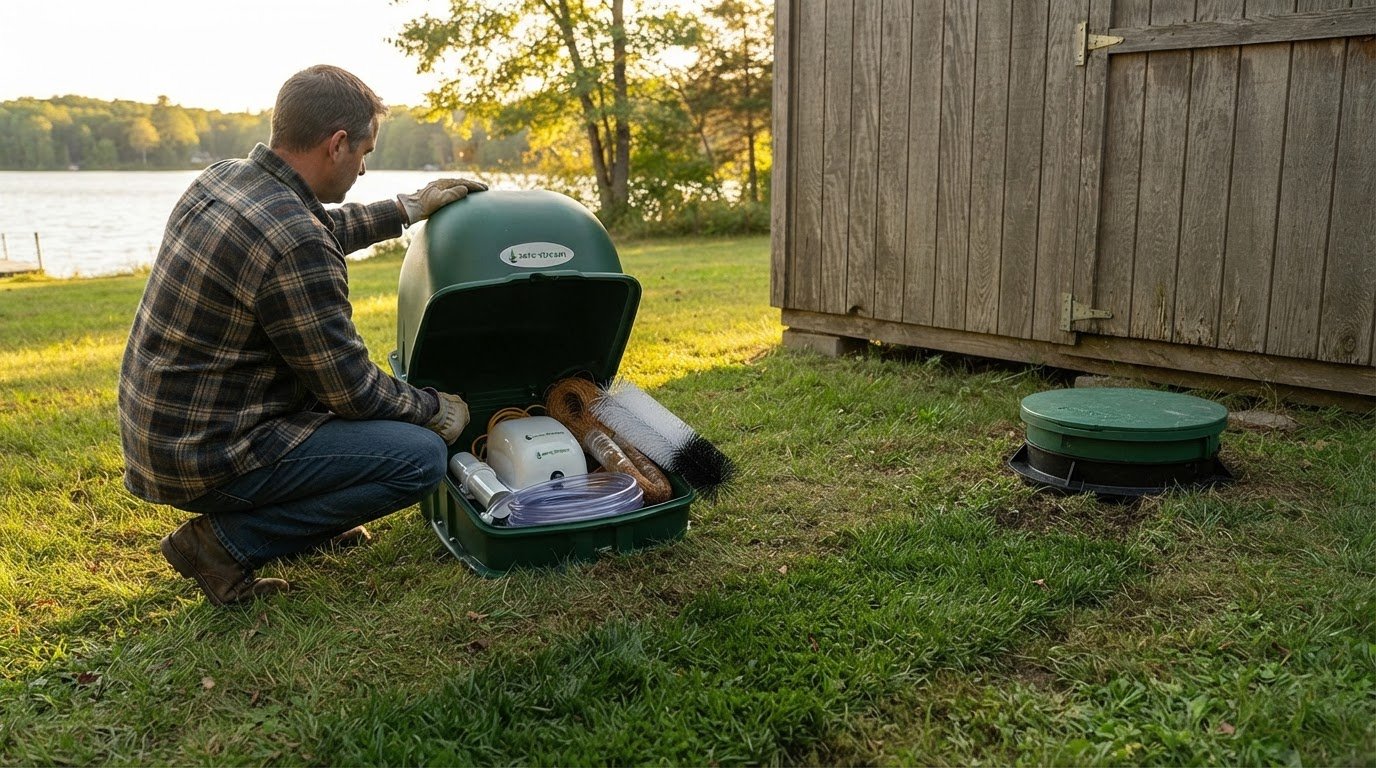
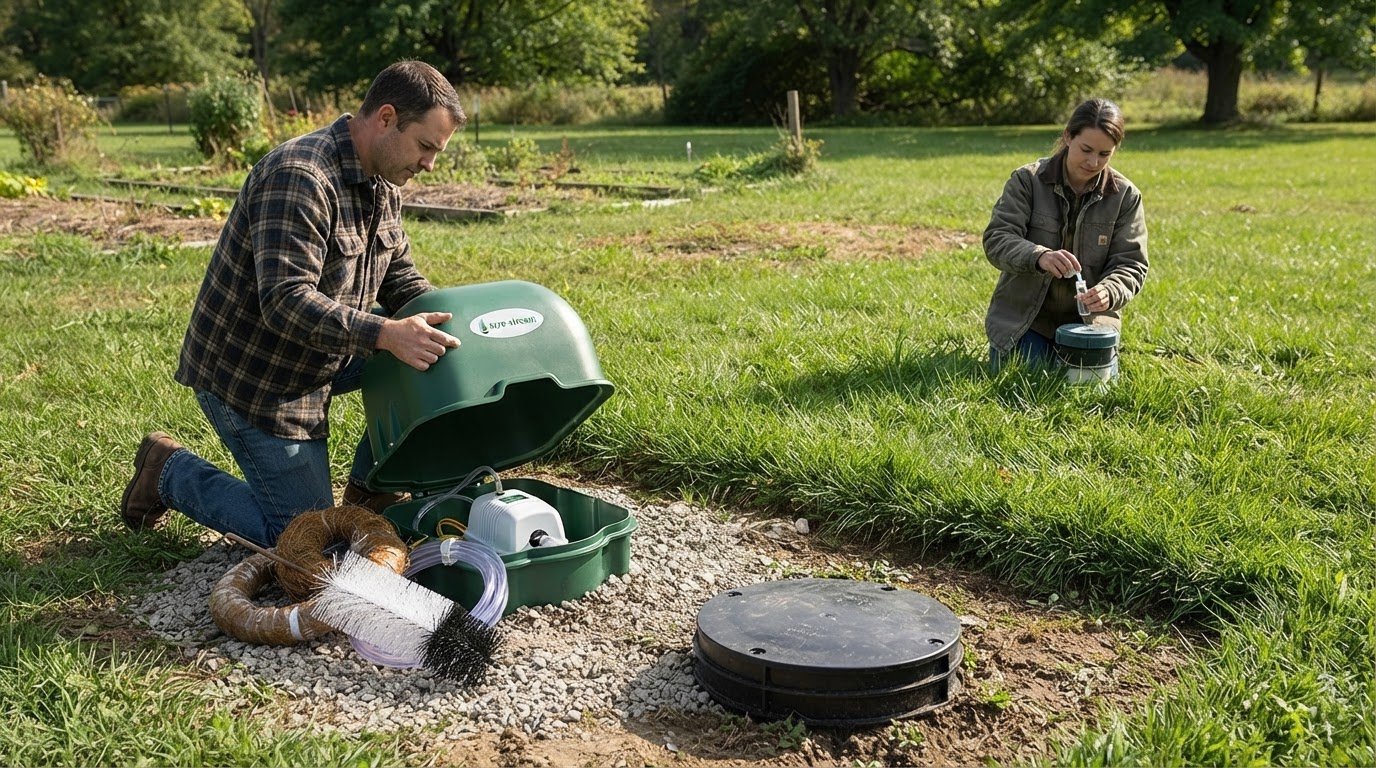
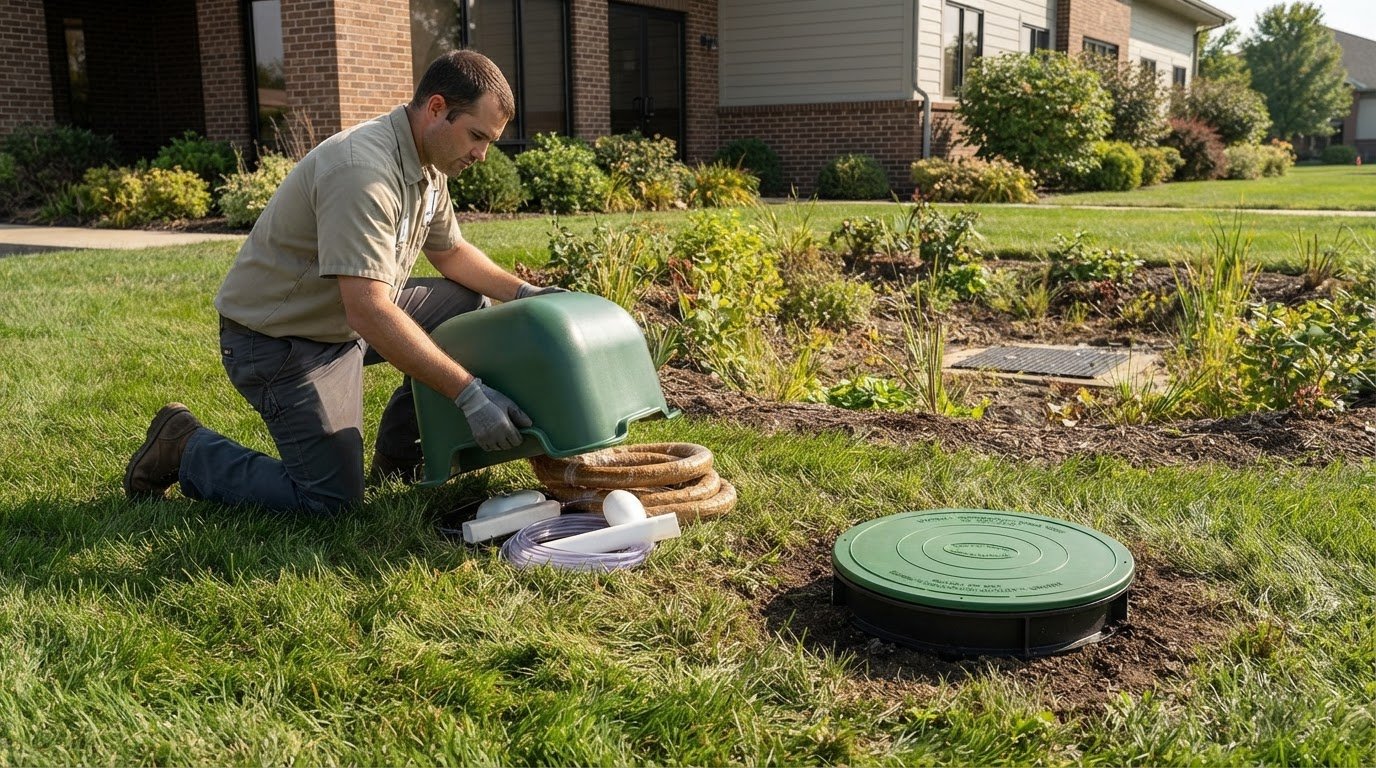
Aero-Stream® Remediation Products and Process
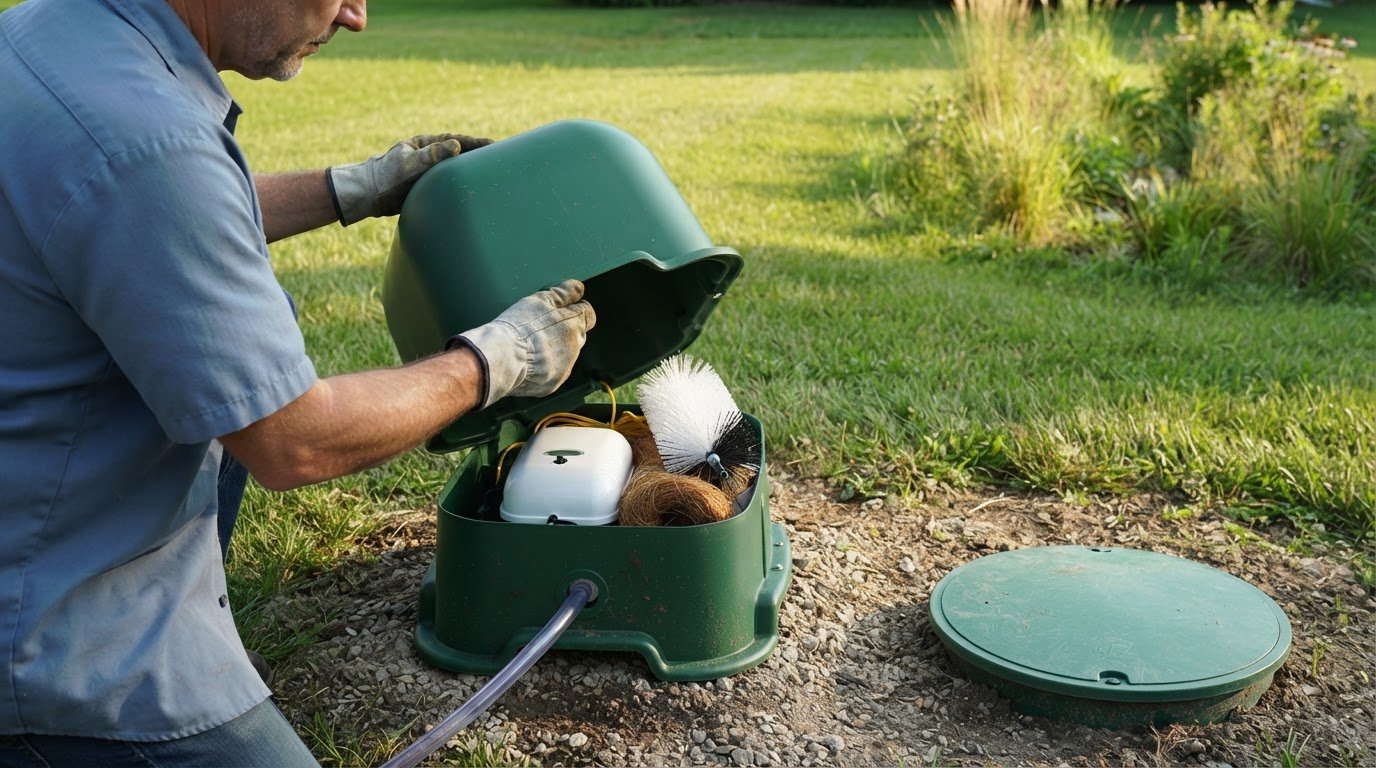
Aero-Stream offers septic remediation products for systems that need aerobic treatment rather than immediate replacement. Its Residential Remediator® Kits and Bio-Brush® media support treatment by increasing oxygen availability in wastewater. An air blower adds oxygen, helping aerobic bacteria break down waste. This approach may suit a system with treatment concerns, but a failed inspection still needs a clear diagnosis of the underlying problem.
The patented Controlled Septic Aeration Process introduces air into the system to support aerobic activity. The Aero-Stream Remediator has a nearly 95 percent success rate, according to the company’s stated product information. Results depend on system conditions, so connect any remediation plan to the inspection findings. The process is not a substitute for correcting a structural defect or an undersized tank.
For a home needing an aerobic treatment system, Eco-Nest™ NSF/ANSI 40 Systems are another option. The system’s NSF/ANSI 40 designation identifies its certification standard. Septic Tank Air Pumps are a component for systems that need aeration, while septic tank risers provide access at the tank. Match the product to the system type and documented issue. No product price is stated here; system choice depends on the existing setup and required work.
If inspection findings point to treatment performance rather than a structural failure, compare remediation options with the report and system records. This gives you a practical basis for deciding whether an aerobic approach fits the property. For questions about septic remediation products, contact Aero-Stream.
Frequently Asked Questions
What is a septic system?
A septic system handles wastewater from a home without a public sewer connection. For a practical assessment, find out whether all plumbing fixtures, including those in a garage or guest suite, flow into the same system. An addition may have separate plumbing or change how the existing system is used. Knowing what connects to it helps clarify the system’s actual workload.
Are there any regulations you must follow?
Yes. Requirements can cover more than permits and purchase paperwork. Some alternative systems require yearly operation and maintenance contracts with service professionals, so identify whether the home has one and what its operation requires. Rules depend on the system and jurisdiction. Keep the applicable operating instructions and service records with the home’s other property documents for future reference.
Are there any signs of a failing system?
Watch for changes that persist or recur, rather than treating one isolated plumbing issue as proof of septic failure. Note when symptoms occur and whether they follow unusually heavy water use or a change in household routines. That context can help an inspector distinguish a system concern from a localized plumbing problem and focus the evaluation on the right components.
Has the property had a system failure before and for what reason?
Ask what conditions preceded the failure, not just what repair followed. For example, did the problem appear after a change in household water use, a plumbing alteration, or a period without routine care? A clear timeline can help explain the cause and whether the current household might recreate those conditions. Compare the seller’s account with dated service records.
Is the tank big enough?
Tank volume alone doesn’t establish whether the whole system can handle the home’s wastewater. Soil conditions and the condition of the dispersal area also affect treatment. Ask how the approved design accounts for both the tank and the soil-based treatment stage. If the home’s use differs from its original design assumptions, that distinction can help frame the inspector’s capacity assessment.
Is there a reserve field and where is it located?
Confirm that the plan identifies an officially designated reserve area, rather than assuming any open part of the yard can serve as one. Look for clear boundaries and how the reserve relates to the active field. This distinction matters if the system needs future work: available yard space does not automatically qualify as a suitable replacement area under the property’s approved design.