The cheapest septic repair can become the costliest choice if it treats a symptom and leaves the cause in place.
When a system backs up or the ground near the drainfield stays wet, it is understandable to look for a lower price. But the repair price alone cannot tell you whether the tank, pipes, soil, and drainfield are working together, or whether a temporary fix could lead to a larger project.
This article explains which costs may arise, why soil and drainfield conditions can change the scope, and when replacement may make more sense than another repair. You’ll also learn how aerobic treatment and septic maintenance fit into the decision, so you can weigh a short-term fix against the condition of the whole system.
Key Takeaways
- Separate the cost of a component repair from the cost of replacing a tank or the full system; the scope of work changes the budget.
- Assess the drainfield before choosing a repair. When repair costs exceed 50% of replacement costs, replacement may make more sense.
- Soil drainage, groundwater, and site access can affect drainfield design and project costs, so soil conditions matter when evaluating a repair.
- Permits, inspections, and system records can add to project costs. For systems suited to aerobic treatment, explore whether an Aero-Stream Residential Remediator® Kit or Eco-Nest™ NSF/ANSI 40 System fits the need.
How Much Does Septic Tank Repair Cost in 2026?
Repair costs depend on the failed component and the work needed to restore treatment. A low initial quote may exclude diagnosis, replacement parts, access work, or follow-up if the system continues to fail.
Component examples show why the scope matters. These are distinct repair and replacement scenarios, not interchangeable estimates.
Before work begins, make sure the written quote identifies the diagnosis, parts, labor, exclusions, and warranty terms. Licensing requirements vary by jurisdiction, so applicable credentials matter. The warranty should specify what it covers, how long coverage lasts, and whether it applies to workmanship, parts, or both. A short warranty could leave you paying again if the same fault returns. Pumping or a temporary adjustment may not correct a failed pump, control, or treatment component.
Insurance is a separate consideration. Homeowners insurance does not automatically cover every septic repair; coverage depends on the policy wording, cause of damage, exclusions, and any applicable limits. Contact your insurer before non-emergency work, and keep the diagnosis, photographs, itemized estimate, and receipts. Contractor liability insurance addresses a different risk: property damage or injury linked to the work. Keep proof of coverage with the contract, and document any damage promptly.
Compare the full scope, not just the lowest price. A sound repair identifies the failed part and restores treatment. Repeated visits for the same problem can turn a small fault into a larger project.
Drainfield condition and replacement decisions
A drainfield’s condition determines whether wastewater can disperse into the soil. Compare the repair’s needs with the cost and scope of replacement before choosing a short-term fix.
Assessing Drainfield Condition
Drainfield condition describes how well the field receives and disperses treated wastewater. It matters because repairing the tank cannot restore a field that no longer absorbs effluent effectively. Persistent wet ground or wastewater surfacing near the field can signal a problem. Soil permeability, groundwater, and the extent of damage all affect whether targeted work can restore function or replacement is needed.
Leach Field Repair and Replacement
Leach field repair addresses damage or restricted wastewater flow where effluent enters the soil. Reaching buried components may require extensive excavation, and clayey or rocky soil can make the work more difficult. Leach field repairs can cost more than tank repairs because both access and soil conditions affect the scope.
Treat these as separate estimates, not a single guaranteed bill. The household’s site and project scope affect the total.
Repair Versus Replacement Thresholds
A repair-versus-replacement threshold compares repair costs with the price of replacing the system. The article’s stated guideline is to consider replacement when repairs exceed 50% of replacement costs. That comparison should include likely future drainfield work, not only the immediate repair, so a temporary fix does not conceal a larger expense.
Age also matters. Most septic systems are designed to last 25 to 30 years, and a system 30 or more years old with recurring problems is a replacement red flag. Those figures provide context, but household site conditions and scope still shape the decision.
Soil conditions affecting repair costs
Temporary or low-quality repairs can mask the cause of system failure without restoring wastewater absorption. If a pipe or tank component is patched while saturated or compacted soil remains the problem, plumbing symptoms may return and require further repairs.
Soil affects how quickly treated wastewater moves away from the drainfield. Clayey or rocky ground can complicate repairs, while groundwater or poor soil conditions may call for a larger drainfield or a pump system. These design changes add work beyond the immediate repair. Heavy vehicles and snowmobiles can compact soil and hinder absorption, so keep them off the drainfield.
A percolation test measures how water drains through soil and informs septic system design. Before replacement, the test helps determine whether the soil can absorb wastewater as planned or whether the system needs a different design. Soil conditions can vary across a property, so test results help match the proposed components to the site.
Groundwater can also limit the soil available for wastewater dispersal. If groundwater or unsuitable soil restricts absorption, a larger drainfield or pump system may be needed. In persistently wet areas, plants may show stress, and standing water can indicate that the soil is not dispersing effluent effectively. A quick surface fix may leave the underlying condition unresolved.
Use test results to distinguish a failing component from a site limitation. If the soil cannot accept the wastewater, replacing a pipe alone will not solve the cause. If compaction is restricting absorption, keeping vehicles off the field helps protect the soil. A repair plan that accounts for drainage, groundwater, and soil structure is more likely to address the actual failure than a temporary patch.

What Can Push Repair or Replacement Costs Higher?
A low estimate may leave project requirements outside its stated scope. Common omissions include inspections, permits, final drawings, and diagnosis.
Permits, Inspections, and Drawings
Permits, inspections, and as-built drawings document whether septic installation follows the approved design and is ready for operation. A final inspection can help confirm that a septic system matches its approved design before use. Many jurisdictions also require a final drawing of the installed system.
These records also help show where components were installed. If future repairs are needed, a drawing can clarify the system layout and reduce uncertainty about buried pipes or tanks.
Maintenance and Professional Inspections
Preventive maintenance and professional inspections can identify developing faults before they disrupt a septic system. These are different types of inspection, so check what each estimate includes.
Wisconsin homeowners must have septic systems inspected every three years. The U.S. Environmental Protection Agency recommends pumping a septic tank every three to five years, depending on household size, water consumption, and tank size. Regular records help track inspection findings and tank pumping over time.
Costs Omitted from Low-Cost Quotes
A low-cost quote may cover visible parts but exclude diagnosis, permits, final inspections, or drawings. Gaps in maintenance records can also contribute to higher repair costs when a system has not had regular inspections. Difficult access, deep excavation, or obstructing trees and landscaping can add time and expense. Broken or clogged pipes between the septic tank and drainfield may require separate work depending on their location and the severity of the problem.
Before comparing estimates, match their listed work and exclusions. For an additional treatment option, explore septic system treatment options.
Aero-Stream
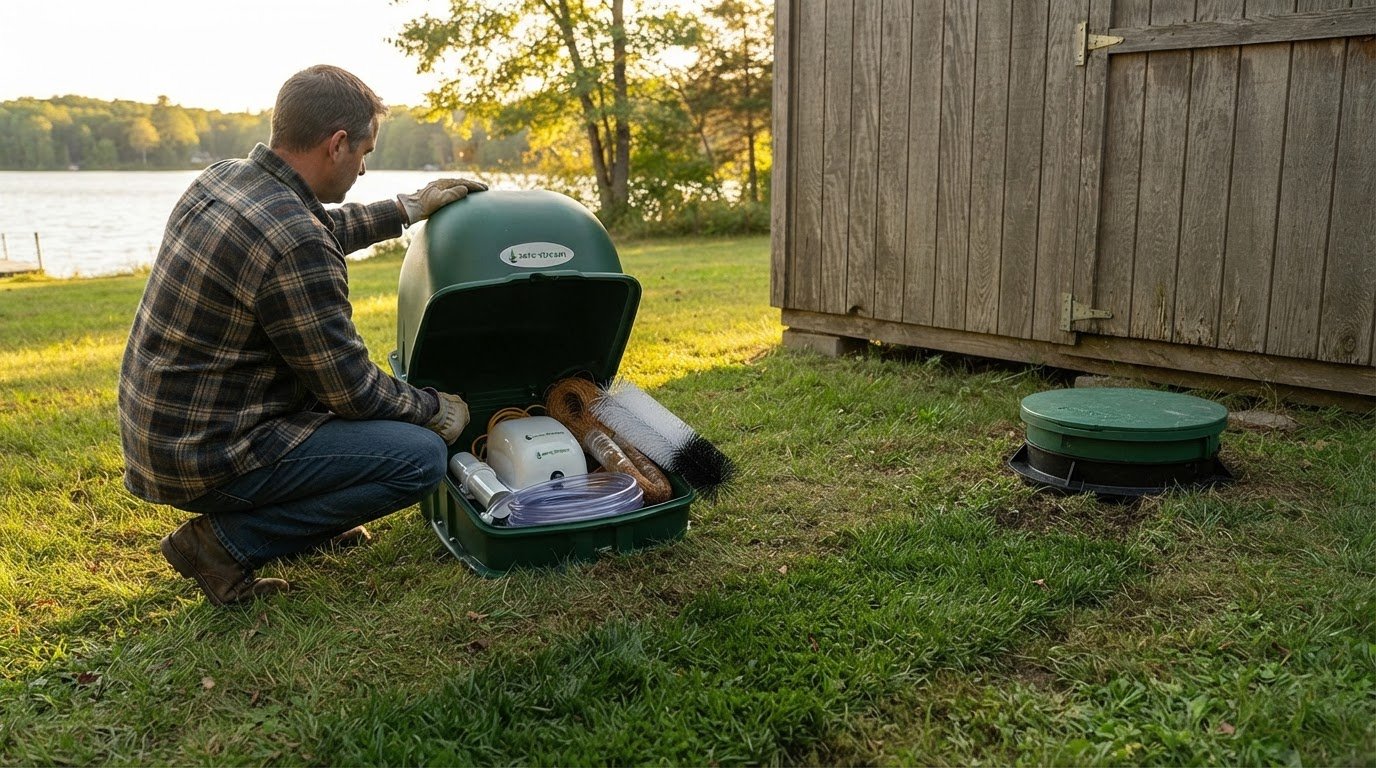
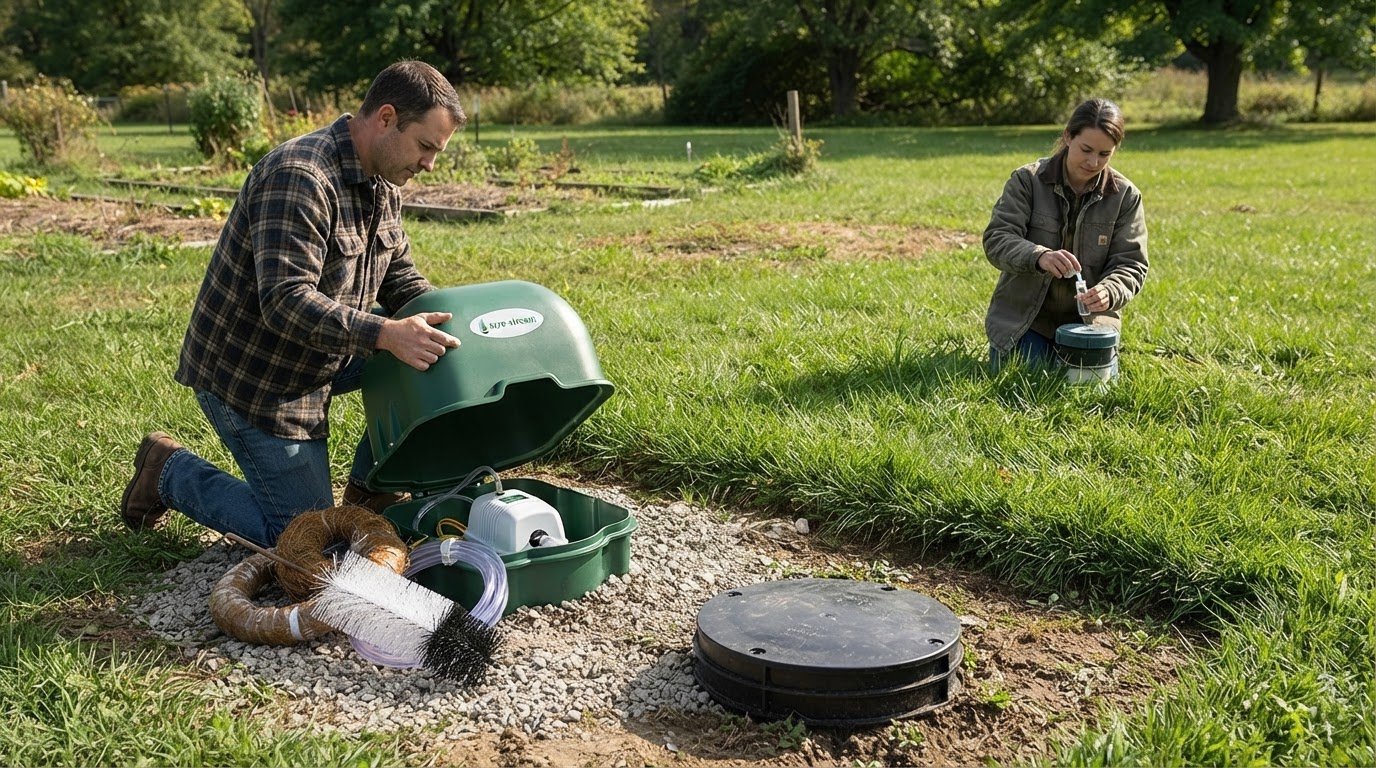
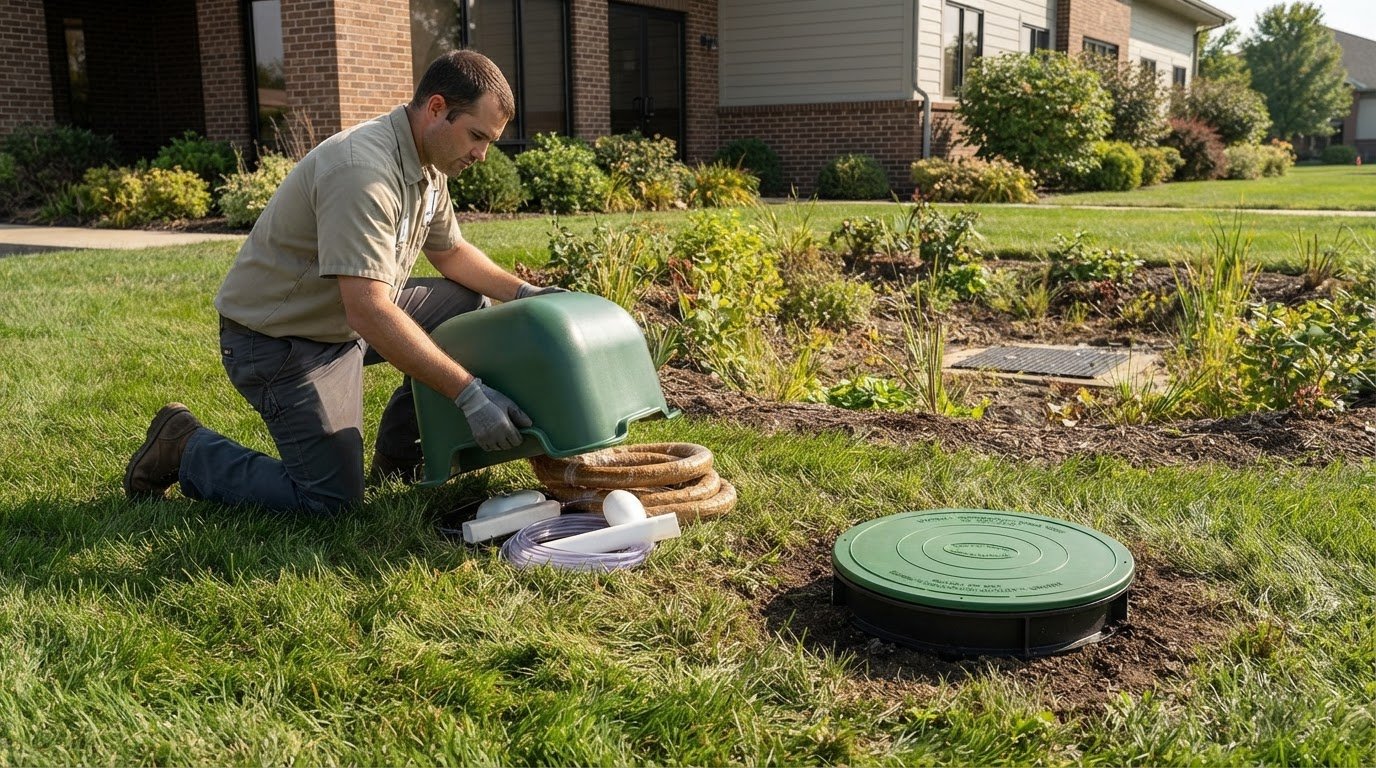
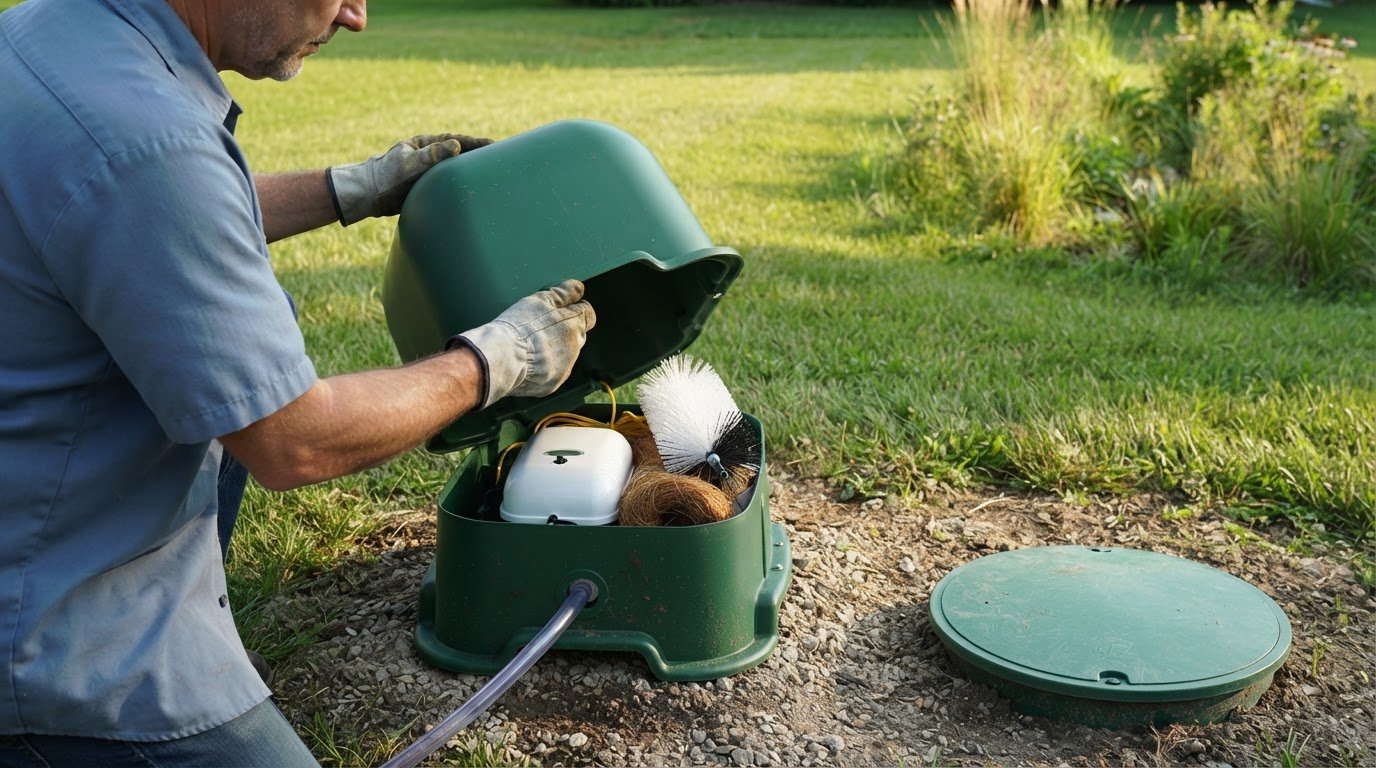
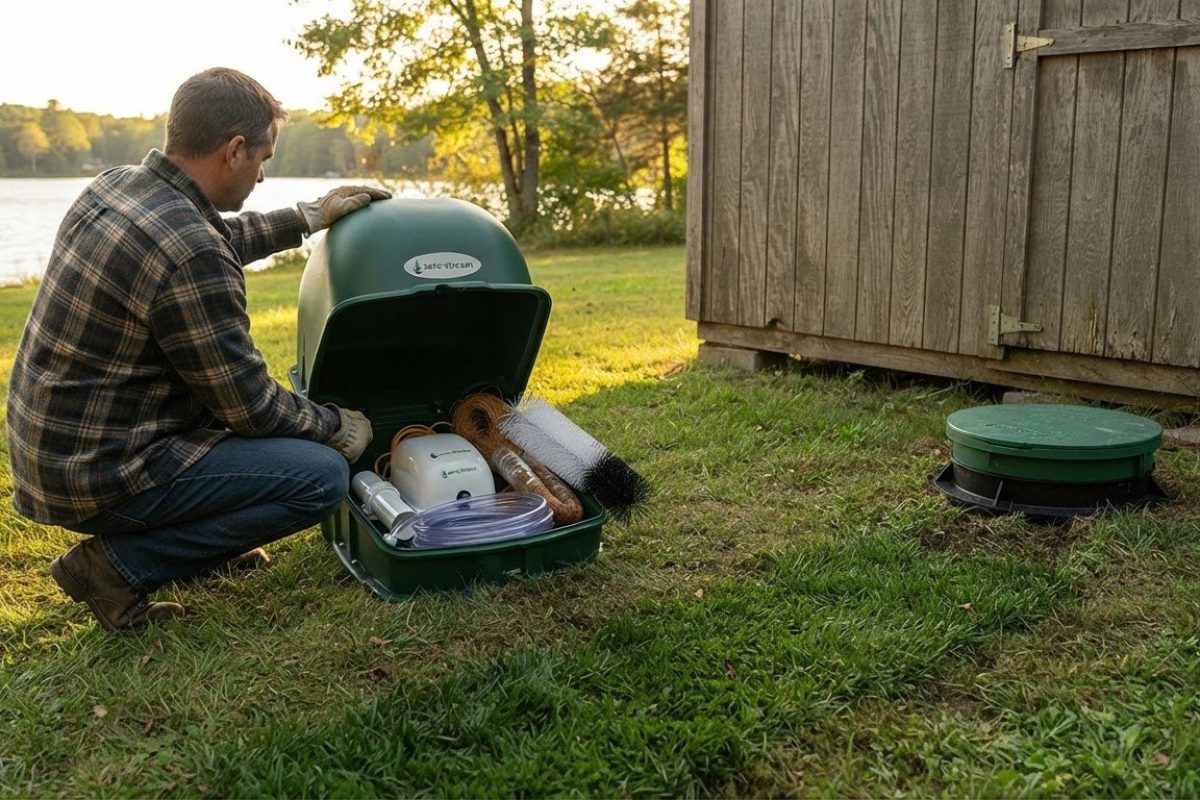
Aero-Stream offers septic system products designed to support restoration and maintenance through aerobic treatment. If a diagnosis points to treatment performance or equipment rather than a failed drainfield, its Residential Remediator® Kits, Eco-Nest™ NSF/ANSI 40 Systems, Bio-Brush®, and Septic Tank Air Pumps may be relevant options.
Aerobic treatment uses oxygen to support aerobic bacteria as they break down waste. The right approach depends on the condition of the tank, treatment components, and drainfield; a product cannot correct every soil or drainfield failure. Match the solution to the diagnosed problem, not simply to the lowest initial quote. For system-specific questions, contact Aero-Stream to discuss your situation.
Make Your Next Repair Decision With Confidence
Before authorizing work, create a simple timeline of symptoms: when they began, where they occur, and whether they change after heavy water use. This record can help clarify the problem’s pattern and provide a useful reference for future maintenance. The hidden costs of cheap septic repairs are less likely to surprise you when your decision accounts for what happens after the immediate symptom is addressed.
Aero-Stream’s septic treatment products may help when treatment performance is the concern, but they are not a substitute for repairs to a failed drainfield or unsuitable soil. Keep your next step focused on the cause identified in the diagnosis.
For help considering your options, contact Aero-Stream about septic repairs. A clear understanding of the problem puts you in a stronger position to move forward.
Frequently Asked Questions
Can a cheap installation really affect my property value?
Unresolved system problems can affect buyer confidence, but a low price alone does not prove poor workmanship. Buyers may consider whether the system functions as intended and whether its condition is documented. Keep closing paperwork and any records provided after installation together, so you can explain what work was completed if questions arise during a future sale.
Is it okay to ask a contractor to break down their quote?
Yes. Ask for an explanation of the reasoning behind the proposed repair and what change to expect in system operation afterward. For example, if the proposal recommends replacing a pump, ask how that component relates to the symptoms you’ve noticed. A clear explanation helps you understand the recommendation and decide whether the approach suits your situation, without relying on price alone.
What’s the single biggest red flag in a septic quote?
A promise to solve every septic problem without defining its limits deserves scrutiny. The hidden costs of cheap septic repairs can include paying for a result that was never clearly described. Ask what the proposed work is intended to correct and what it cannot address. A clear proposal should distinguish the targeted repair from conditions outside its scope.
Why do septic quotes vary so much in price?
Different repair methods can result in different totals, even when symptoms seem similar. These examples involve different problems and treatments, so they should not be compared as if they were identical jobs.
What does a cheap septic repair typically cost in the U.S.?
There is no single national price for every inexpensive repair; the component and work involved determine the cost. No specific U.S. price is provided here, so request an itemized quote for your repair. Check whether it covers replacing the baffle alone or includes related work needed for the particular system.
How can homeowners compare septic repair estimates and identify hidden fees?
Compare the terms that can change what you pay after accepting an estimate. Look for travel charges, diagnostic fees, disposal costs, minimum service charges, payment fees, and the quote’s expiry date. The hidden costs of cheap septic repairs are easier to spot when you review these terms separately from the advertised repair price. Ask for an explanation of any unclear charge before proceeding.