
A septic failure can become a property and water problem, not just a plumbing issue. The long term effects of septic failure on property can include wastewater surfacing in the yard, damage to the drainfield, and contamination reaching groundwater or surface water.
If you’ve noticed sewage odors, unusually wet ground, or wastewater backing up, it’s natural to worry about what may happen next. Damage can worsen when warning signs are ignored, but a clear diagnosis helps you understand the problem and choose a practical response.
This article explains how septic failure can affect your property and nearby water, which symptoms need prompt attention, and what to do when problems arise. You’ll also learn how maintenance and aerobic treatment can help protect a system, so you can identify what needs attention and why.
Key Takeaways
- Recognize warning signs such as wastewater surfacing or repeated backups before damage spreads.
- Understand how a failing system can affect groundwater, surface water, and nearby property.
- Learn which immediate steps can help limit exposure and protect the drainfield when problems arise.
- See how aerobic treatment products may fit into restoring or maintaining a septic system.
What Are the Signs of Septic System Failure?
The long-term effects of septic failure on property can begin with changes in plumbing, the yard, or water quality. Note where symptoms appear and when.
Environmental Warning Signs in Yards
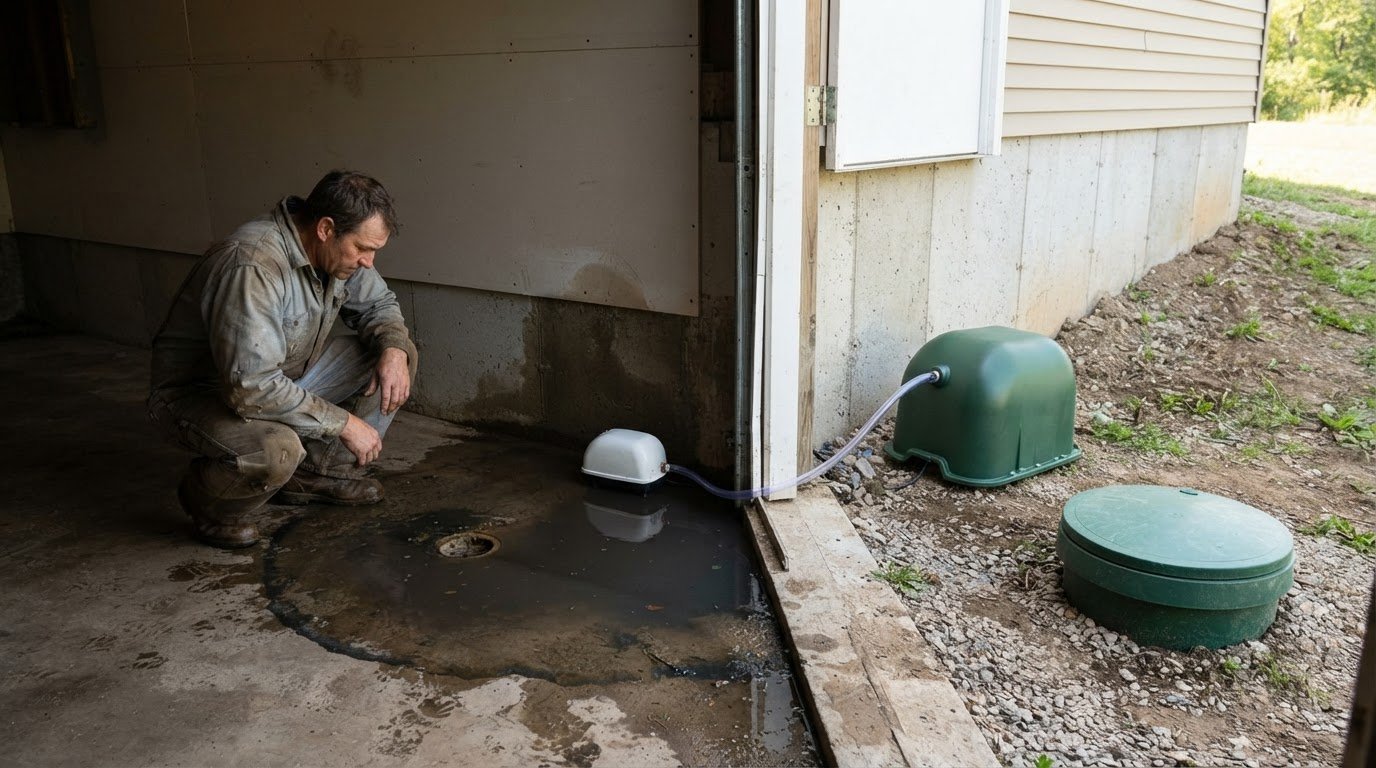
Warning signs include persistent soggy ground, sewage odors, or wastewater surfacing near a septic tank or drainfield. They matter because escaping solids can clog soil pores and reduce effluent absorption. Keep people and pets away from visible wastewater. Record the affected area and whether it changes after rain or heavy household water use.
Signs of Surface-Water Contamination
Watch for wastewater moving toward a ditch, pond, stream, or shoreline, especially if there are odors or unusual discoloration. A failing system can release untreated wastewater beyond your yard. Note where it flows and whether it continues in dry weather. The long-term effects of septic failure on property can extend to nearby water, so report suspected discharge to your local health department.
Slow drains, gurgling plumbing, and sewage backups can signal system failure. Several affected drains or recurring backups need prompt attention, while a single slow sink may have another cause. Needing pumping more than once a year can also point to a system problem.
Washington homeowners should inspect septic systems annually and pump them as needed, usually every 3 to 5 years. Washington homeowners should inspect septic systems annually and pump them as needed, usually every 3-5 years.
Repair and replacement permits vary by state and locality. Ask your local environmental health department which requirements apply.
Repair or replacement costs depend on the failed component, site conditions, and the work required.
Unresolved symptoms can complicate resale. Keep maintenance and repair records for prospective buyers.
Insurance coverage depends on your policy and the cause of damage. Report any damage to your insurer.
Inspection, disclosure, and transaction requirements vary locally. Keep findings and repair records together, and follow applicable disclosure rules.
Groundwater and surface-water pollution
A failing septic system can release untreated wastewater into soil, groundwater, or surface water. Where it travels depends on the drainfield’s condition, the soil, and how water moves.
Groundwater and Well Contamination
Groundwater contamination can occur when untreated wastewater moves through soil and reaches underground water supplies. A failing system may affect your well and neighboring wells, making the problem larger than one property. Pollutants from an overloaded septic system can persist in soil for years. Soil filters wastewater differently depending on its condition and whether solids have clogged drainfield pores.
How can failure affect soil and nearby wells? Untreated wastewater can move through soil toward groundwater, while excess flow can overwhelm the drainfield’s filtering ability. If your home uses a well, note any changes in water quality and contact your local health department for guidance on testing. Don’t assume clear-looking water is safe.
Surface-Water Pollution
Surface-water pollution occurs when wastewater reaches a visible water body, such as a stream, pond, or shoreline. It matters because contamination can spread beyond the septic system’s boundaries. Runoff can carry pollutants from saturated soil toward nearby water, particularly if the ground slopes toward a ditch or waterway.
Look for a direct path from the system to surface water, such as a drainage channel carrying wastewater after heavy household water use. A strip of grass or other short-rooted vegetation between a septic system and shoreline can help limit runoff. Direct surface water away from septic components, and report suspected contamination to the local department responsible for environmental or public health.
Excess water adds stress to a septic system. Several long showers, repeated laundry loads, or leaking fixtures can send more water into the system than the soil can absorb. Use water efficiently and fix leaks promptly. For homeowners needing expert support with domestic plumbing and general upkeep, We are a trusted Property Maintenance company providing reliable, high-quality services across London and Kent. If drains slow after unusually heavy use, reduce water demand while the system is inspected. Repeated strain can weaken treatment and increase the chance that untreated effluent escapes.
During an inspection, ask for the tank outlet, any filter, the drainfield, and the route toward nearby wells or surface water to be assessed. These components can show whether solids or excess flow are disrupting treatment. Record when water use increases and where wet areas appear. These details help explain how wastewater may be moving across the property.

Actions to take when septic problems arise
Act promptly if wastewater backs up, sewage surfaces, or drains stop working normally. First, limit exposure while identifying what is causing the failure.
- Reduce water use. Pause laundry, dishwashing, and long showers to limit additional flow into a stressed septic system. Fix a dripping fixture if you can do so safely; excess water can worsen a failing drainfield.
- Keep people away. Mark soggy areas or visible sewage so household members and pets avoid contact. Don’t touch wastewater or let it reach nearby wells, ditches, or waterways.
- Record the symptoms. Note which drains back up, where water appears outdoors, and whether the problem follows heavy water use or rain. Photos and dates can help show whether the affected area is expanding.
- Arrange a system assessment. Share those observations and ask for the tank, outlet components, pipes, and drainfield to be evaluated. A clogged line and a failed drainfield can cause similar symptoms but require different repairs.
If just one fixture drains slowly, the blockage may be local. If several drains gurgle or back up together, report that pattern. Avoid adding chemical drain cleaners without guidance, as they can disrupt the bacteria that treat waste. Don’t open a septic tank yourself: its gases and contents can be dangerous.
Direct surface water away from the system so runoff doesn’t worsen soil saturation or carry wastewater toward nearby areas. Keep vehicles, construction, and heavy traffic off the drainfield and any repair area. Protect a repaired area as though it remains in use.
If an inspection finds that the drainfield has failed, the next decision depends on the site and available wastewater options. Consider a public sewer connection where possible; otherwise, a replacement drainfield may be needed. Keep inspection findings and repair records together. They document the system’s condition and show which components were addressed.
What long-term damage can septic system failure cause to a property?
Damage can persist after an initial backup or wet patch disappears. A failing system may affect the drainfield, soil, yard use, and appeal to future buyers. The longer untreated wastewater escapes, the more area may need assessment and repair.
One lasting problem begins when solids leave the septic tank and enter the drainfield. They can clog soil pores that normally filter contaminants, reducing the ground’s ability to absorb effluent. As the affected area becomes saturated, wastewater may surface in the yard. Repair may involve more than clearing a pipe because the drainfield’s ability to absorb wastewater also matters.
Pollutants from an overloaded septic system can persist in soil for years. If wastewater reaches a well or nearby surface water, the consequences extend beyond the yard. Damage may affect how you use the property and require attention to both the system and the area receiving the discharge.
Financial consequences depend on the cause, extent of drainfield clogging, site conditions, and whether failure is limited to one component. Early diagnosis can help identify affected parts before the problem spreads.
Resale can also become more difficult if buyers encounter unresolved odors, visible wastewater, or incomplete maintenance records. Keep inspection reports and repair documentation together. Records of septic system maintenance can make a property more attractive to prospective buyers. Describe completed work accurately and retain records showing which components were assessed or repaired.
If your system shows signs of failure, review aerobic septic treatment options as part of evaluating possible next steps. Treatment approaches depend on the system’s condition; a clogged or failed drainfield may still require separate repair or replacement.
Aero-Stream
Aero-Stream offers septic system products for homeowners assessing treatment and maintenance options after problems arise. Its Eco-Nest™ NSF/ANSI 40 Systems and Residential Remediator® Kits use aerobic treatment. The information provided here does not include certified test data showing that these products restore or maintain septic systems.
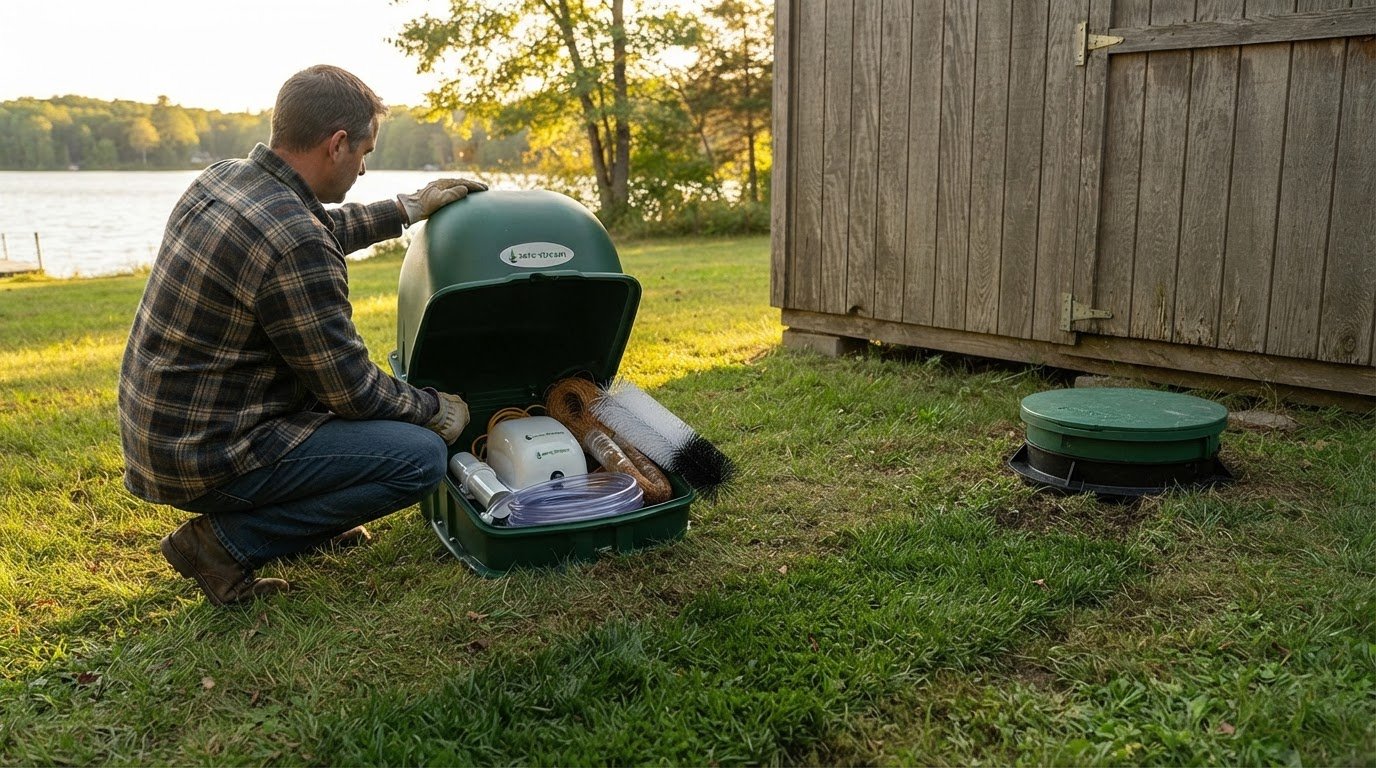
Aerobic treatment uses oxygen to support aerobic bacteria that break down waste. Septic tank air pumps supply air, while Bio-Brush® provides treatment media. The right option depends on the system’s condition and whether the problem involves treatment performance, a damaged component, or a failed drainfield. A product cannot resolve every cause of failure, so distinguish treatment concerns from site damage that needs separate repair.
If you’re weighing next steps for a struggling septic system, contact Aero-Stream to discuss your situation.
Choose a Next Step That Fits the Failure
Don’t guess at a remedy. Match the response to the cause: treatment problems, damaged components, and drainfield impairment call for different decisions. Understanding the long-term effects of septic failure on your property means keeping these distinctions clear as you plan repairs and protect the property’s future use.
Aero-Stream offers Eco-Nest™ NSF/ANSI 40 Systems, Residential Remediator® Kits, and Bio-Brush® as septic treatment and maintenance options. Their relevance depends on the system and the problem being addressed. Product selection should follow a clear understanding of the system’s condition, rather than replace repairs needed for a failed drainfield.
Keep inspection findings and repair records together as you decide what to address next. A clear record can help you track the system’s condition and explain completed work later. For a conversation about options that fit your septic concerns, contact Aero-Stream to discuss your next step. A considered decision can help you move forward with greater clarity.
Frequently Asked Questions
What happens when a septic system fails?
A failed septic system can stop treating and dispersing household wastewater as designed. Depending on the cause, sewage may back up through plumbing, escape from a tank or pipe, or fail to move through the drainfield. For example, a blockage near the home affects flow differently from a drainfield that can no longer absorb effluent. Identifying the failed component guides the next decision.
Can my failing septic system contaminate the water?
Yes. Untreated wastewater from a failing system can reach groundwater, a private well, or surface water. Its route depends on soil conditions, the system’s location, and how water moves across the property. If your home uses a well, include it in your response plan rather than assuming the problem stays within the yard. A water test can help assess whether the well is affected.
How Can I Tell If Contaminants Are Reaching the Water?
You can’t confirm contamination by appearance or odor alone. Note suspected wastewater flow toward a well, ditch, pond, or stream, then contact your local health department about appropriate water testing. If a private well is involved, use a qualified laboratory for sample analysis and follow its collection instructions. Keep the sample location and date with your septic inspection records.
How can I prevent a failure?
Reduce avoidable strain: fix leaking toilets, spread laundry loads across the week, and flush only human waste and toilet paper. Keep vehicles and construction equipment off the drainfield, and direct roof runoff away from septic components. Schedule inspections based on your system’s age, tank size, and household use. Pumping and maintenance records can help identify changes before they become recurring problems.
What Can Be Done?
Start by matching the remedy to the cause. A blockage, worn component, treatment problem, or damaged drainfield calls for a different response. Aero-Stream’s aerobic treatment systems add oxygen to wastewater. The company states that its systems require no chemical or bacterial additives; ask for supporting test data when evaluating this claim. They may suit a treatment-performance concern, but they don’t replace repairs to a physically damaged component or drainfield. Use inspection findings to guide your decision.
What are the warning signs of long-term septic system failure?
Recurring backups, persistent sewage odors, repeated wet ground, and wastewater that returns after earlier attention can indicate ongoing failure. Look for patterns: which fixtures are affected, whether symptoms follow heavier water use, and whether the wet area changes. Keep dated notes and inspection records together. A worsening pattern can help an inspector distinguish a persistent system issue from an isolated plumbing problem.